
Gone are the days when Christmas season in Cairo was mostly insignificant. Even though the majority of Christians in Egypt are Coptic Orthodox and celebrate Christmas—named the Feast of the Nativity—on 7 January, every passing year sees an increasingly vibrant, festive December lead-up to the 25 December Christmas celebrated the world over. And Copts and their churches, take part in it with gusto.
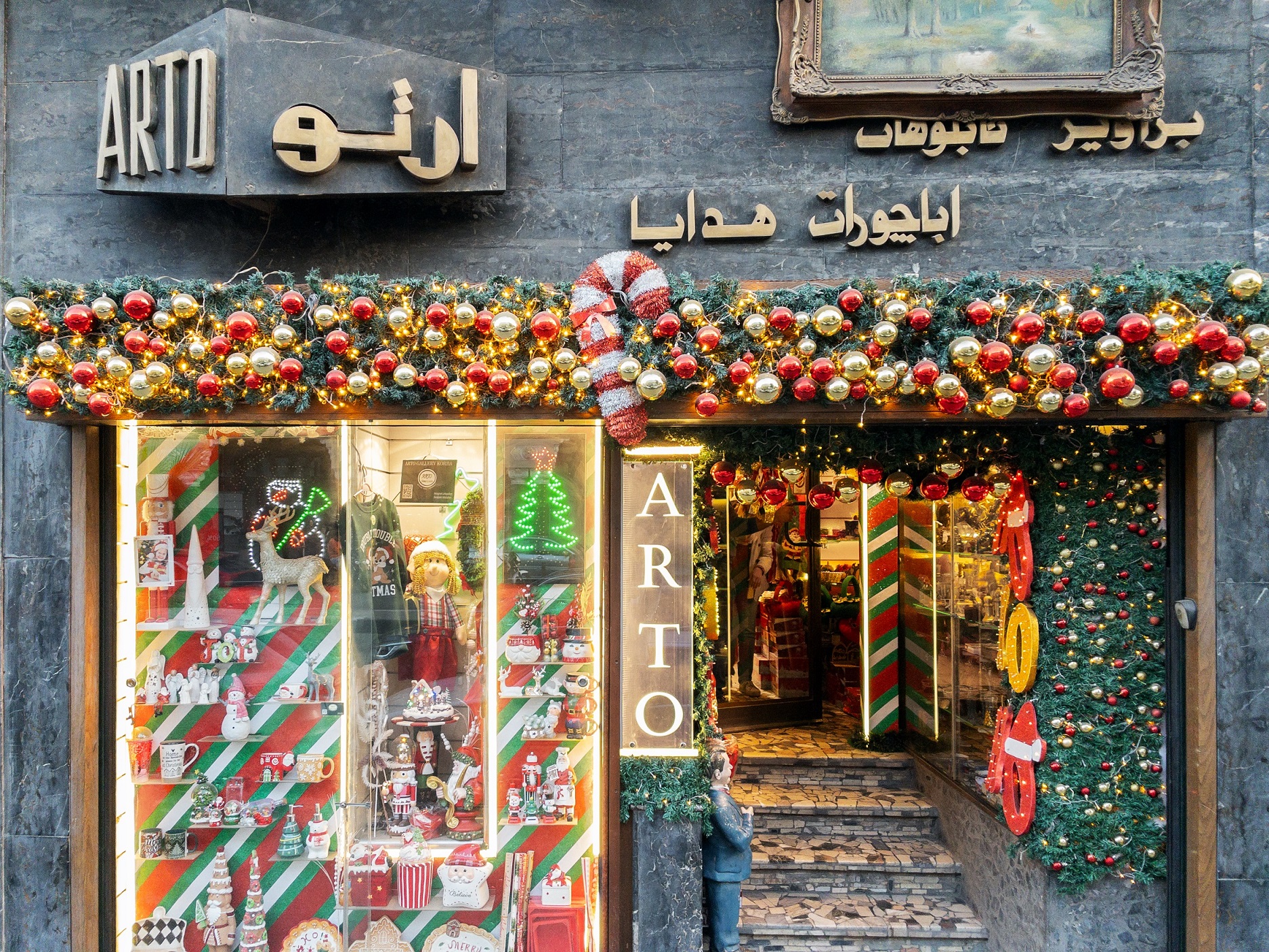
Occasion and party shops brim with Christmas decorations, tree ornaments, and Santa-themed items often spilling out onto pavements and side streets, infusing neighbourhoods with colour and cheer. Among the most vibrant of these are in the Cairo district of Shubra, famous as a populous middle-class district that is home to a large Coptic community. Equally popular is Nozha, on the outskirts of Heliopolis, where shoppers flock in search of festive decorations at reasonable prices.
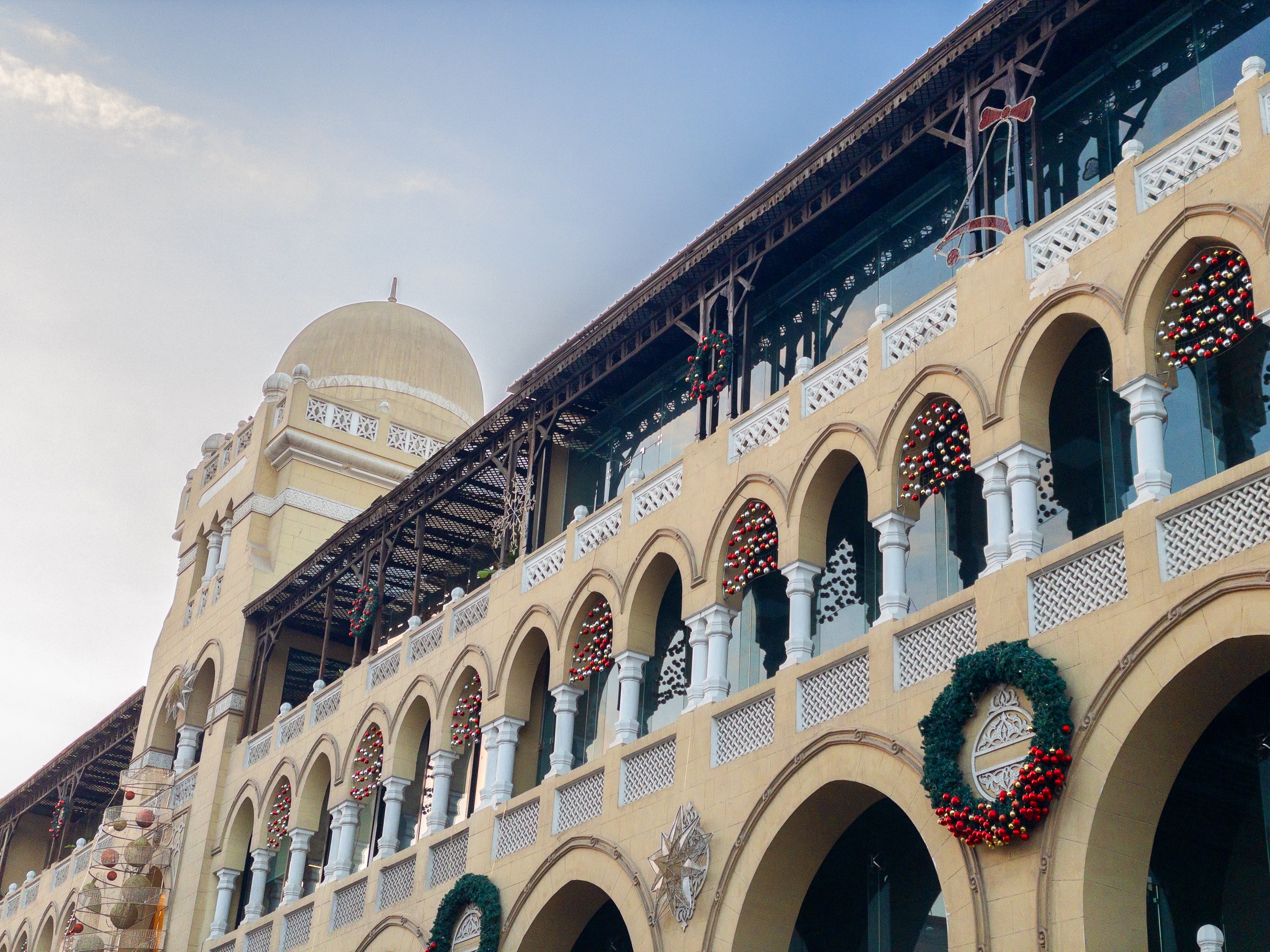
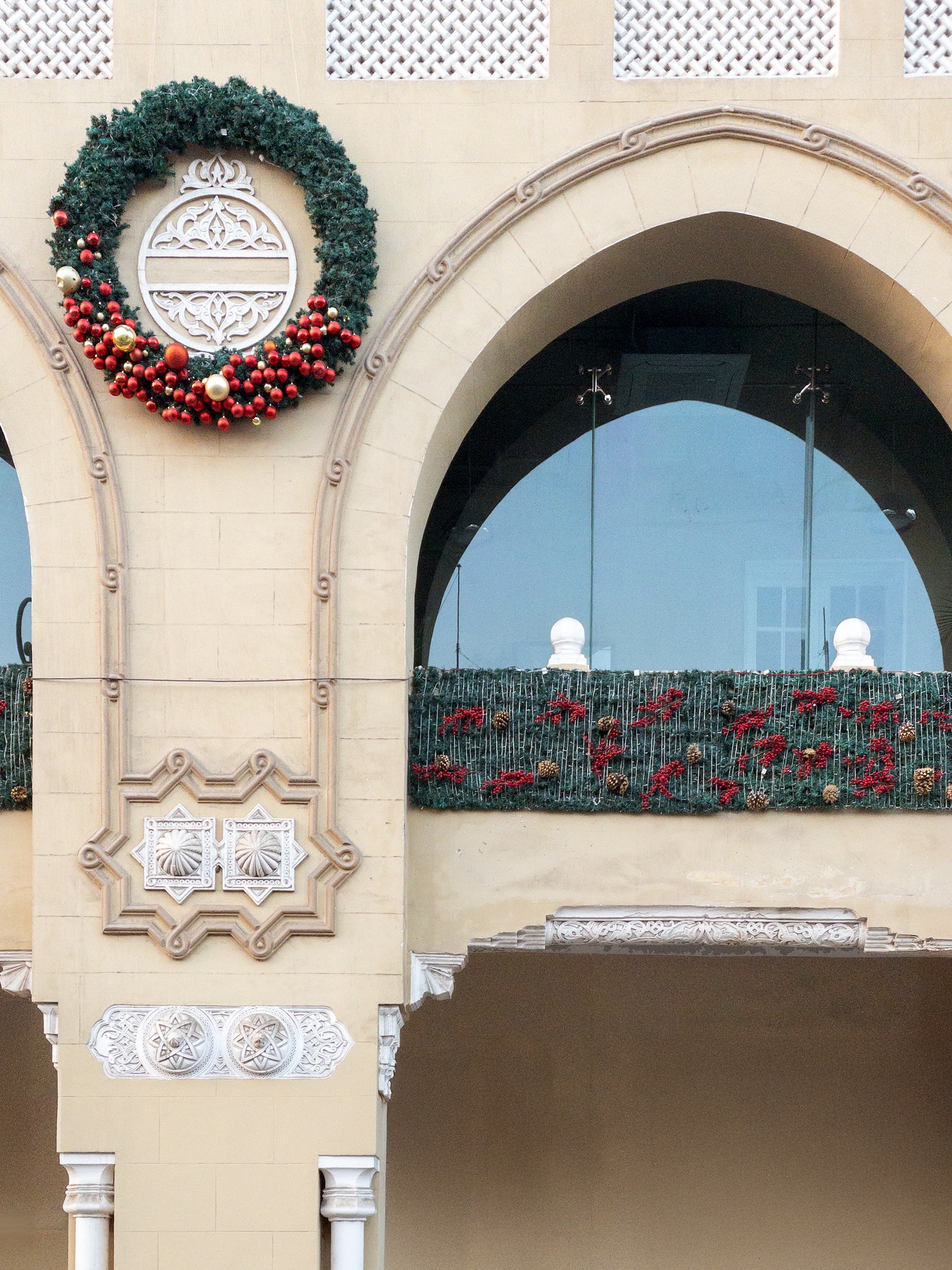
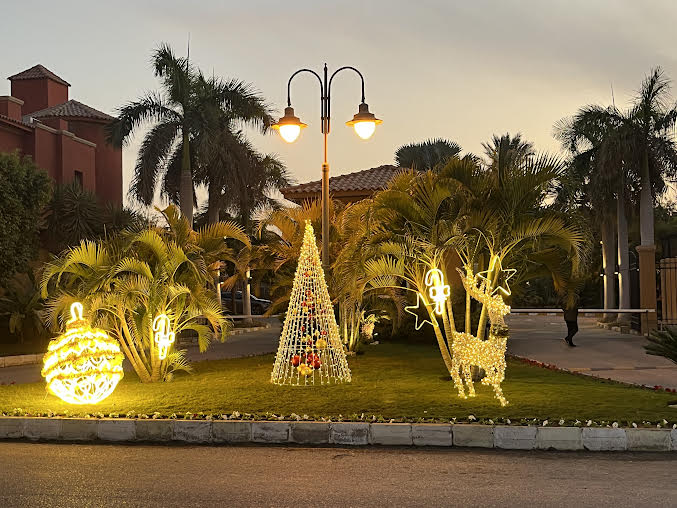
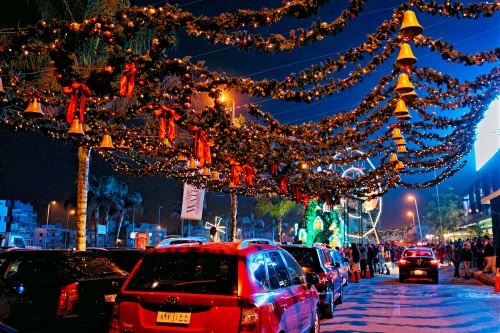
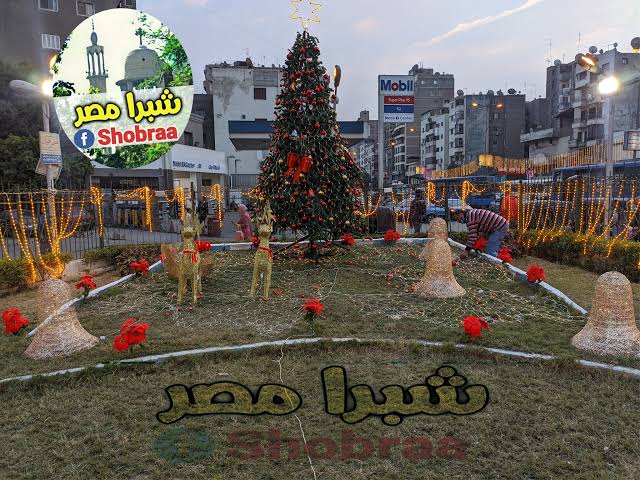
In some neighbourhoods, buildings and streets are extensively decorated through organised communal effort, funded either by residents themselves, by companies using the displays as a marketing opportunity or by cultural movements such as the Heliopolis Heritage Initiative that spearheads the massive decoration of the Heliopolis central district of Korba.
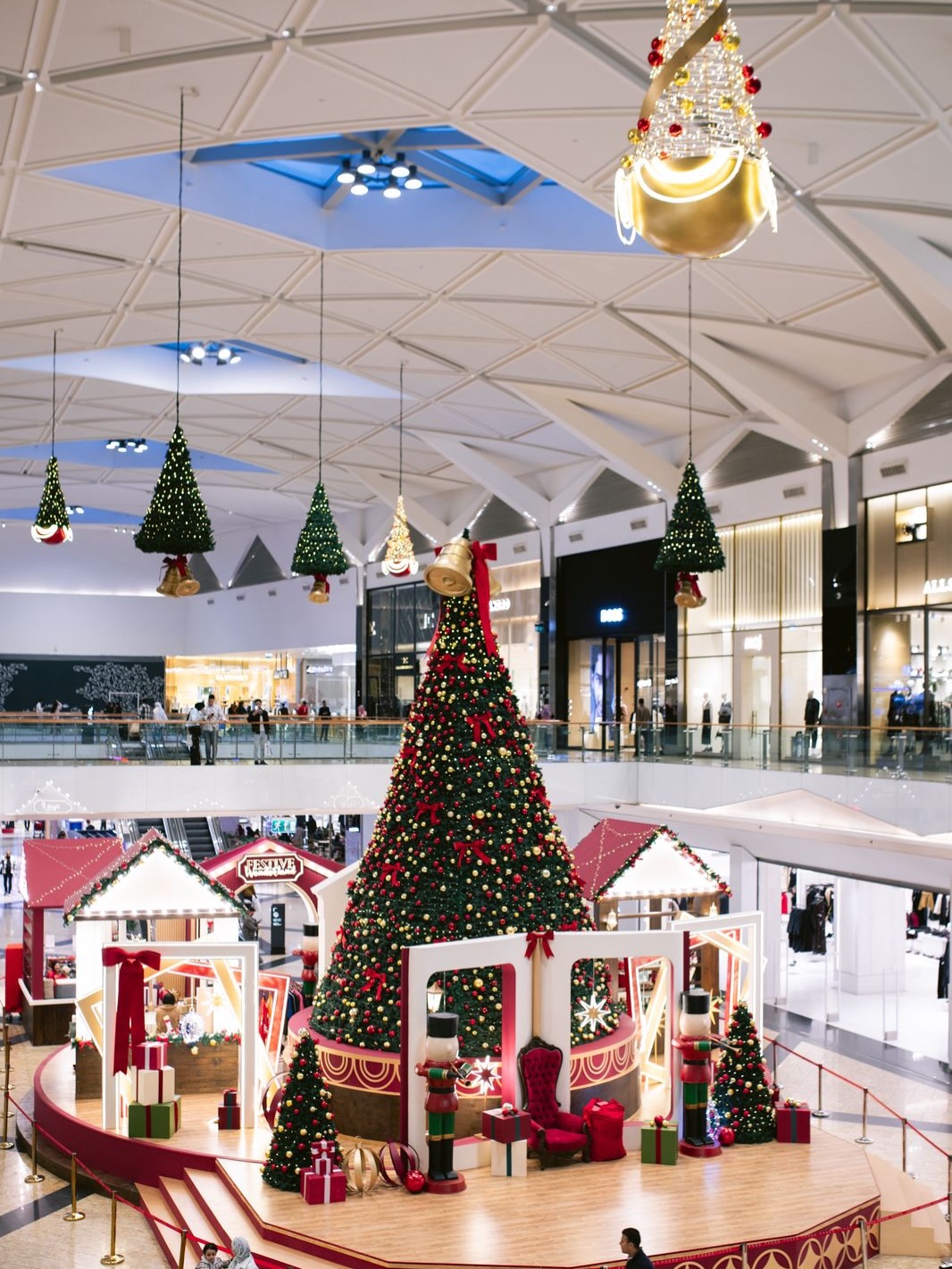
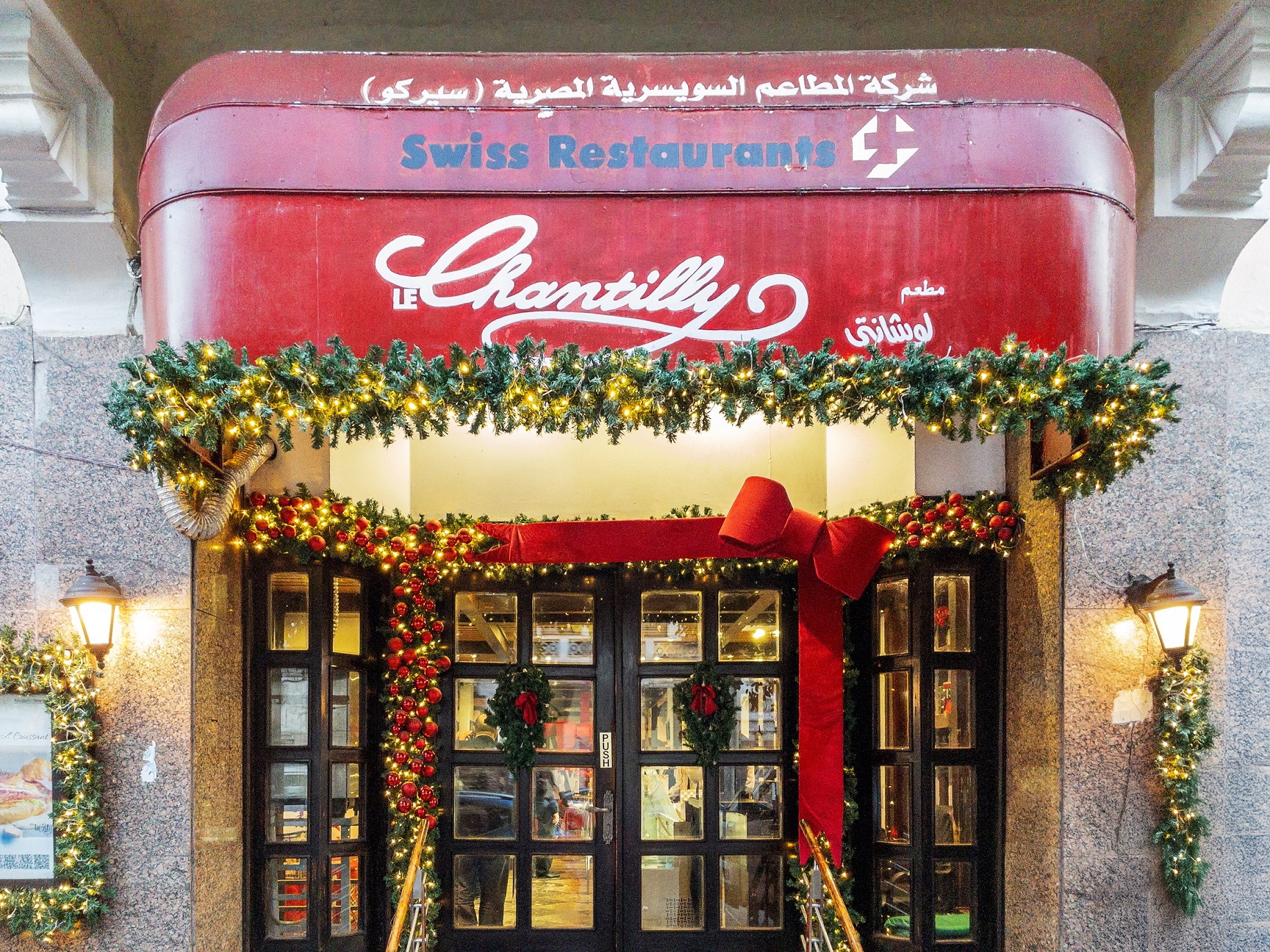
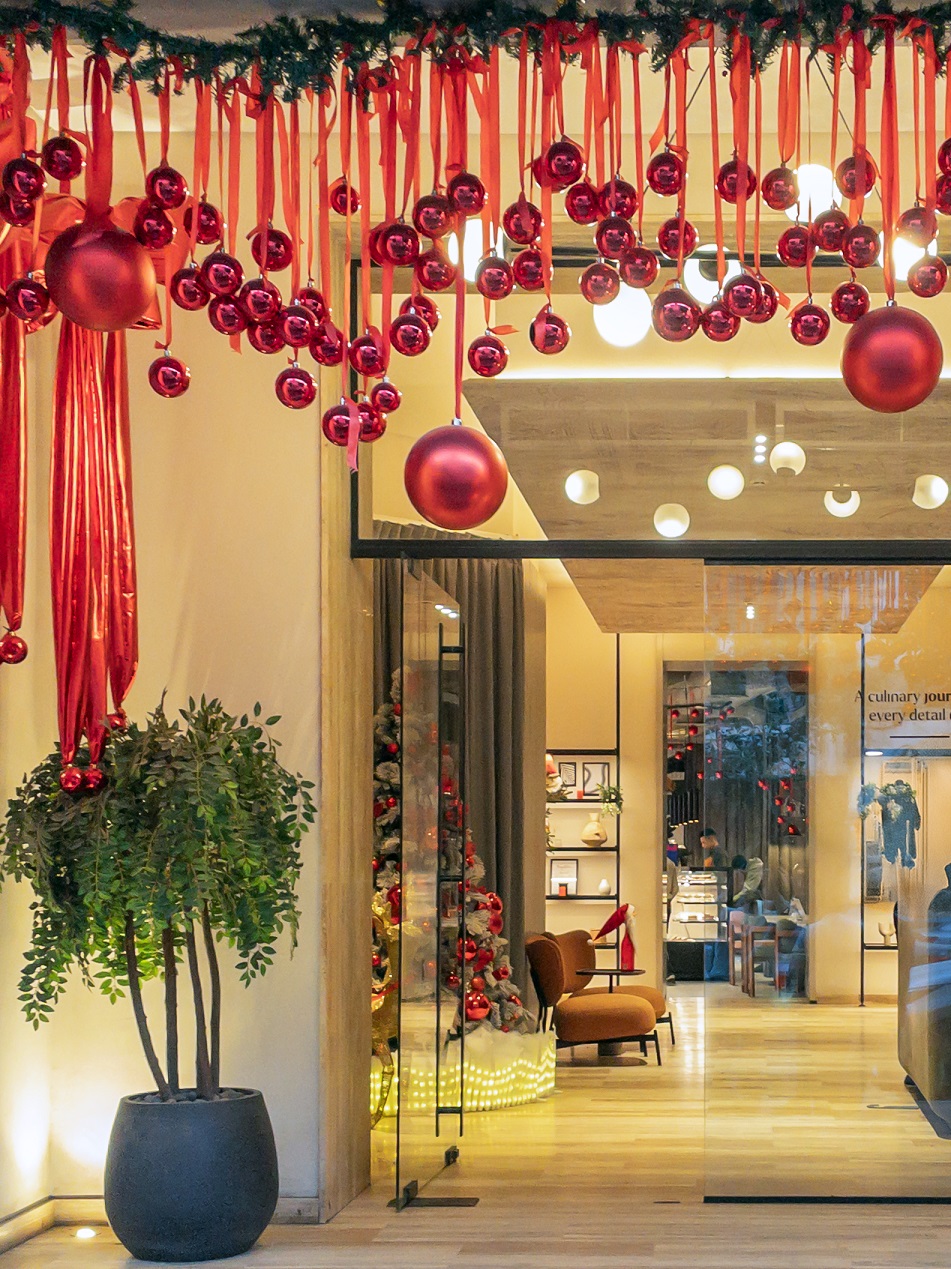
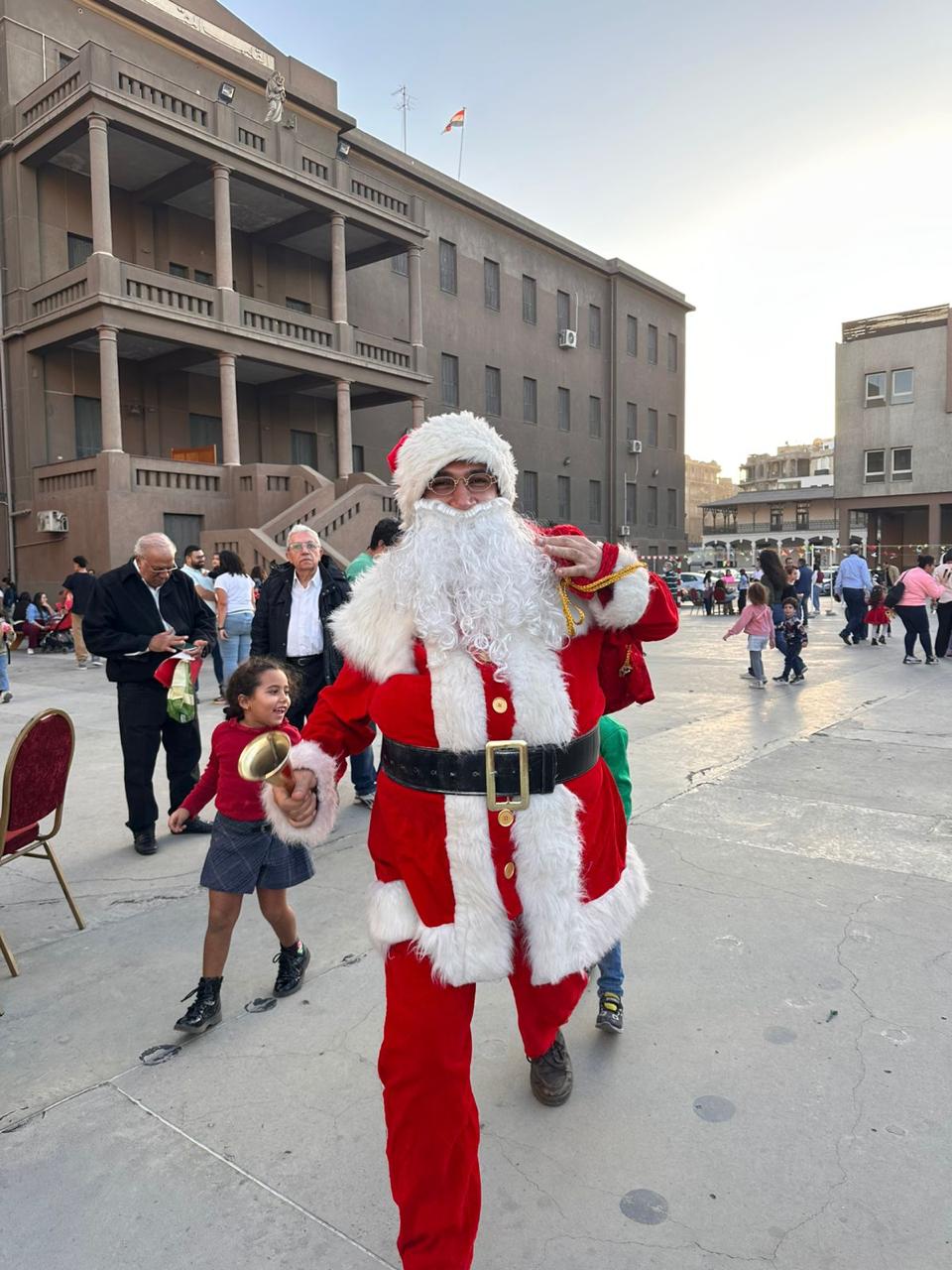
Malls, shops and restaurants compete to outdo one another, adorning their façades and interiors in twinkling lights, garlands and seasonal displays that transform entire streets into scenes of celebration, creating an unparalleled air of festivity. The scale and quality of the decorations in some neighbourhoods have made these streets popular spots for casual photo shoots, attracting visitors eager to document the festive displays as part of their seasonal outings.
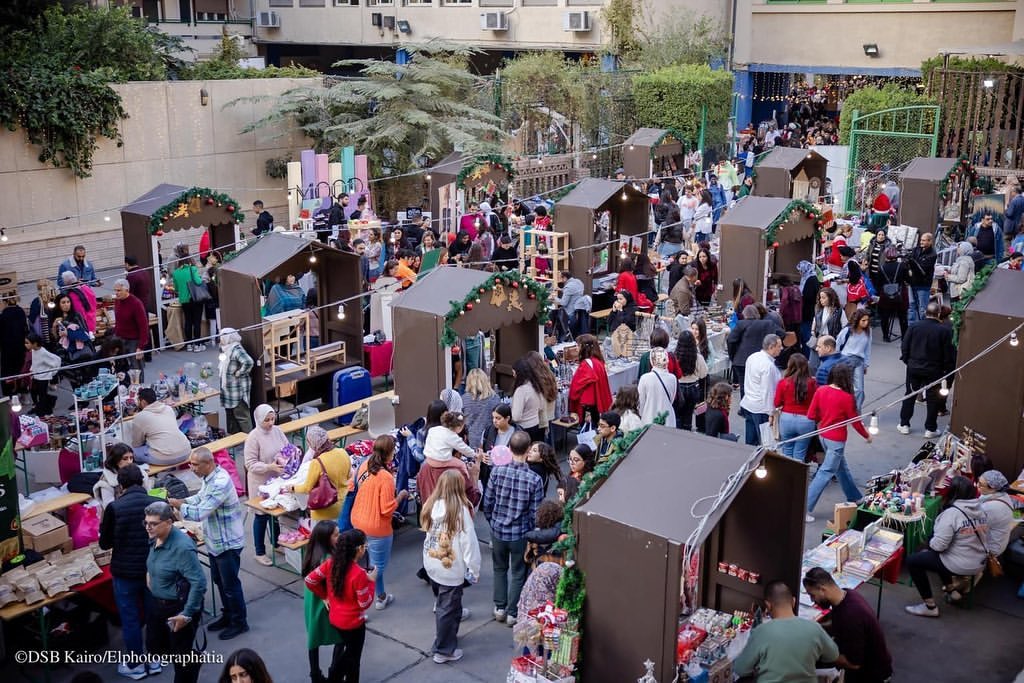
Christmas bazaars tell a story of their own. What began modestly within church walls, with Sunday Schools organising Nativity plays and church choirs performing Christmas carols, gradually evolved into a wider cultural phenomenon. Choirs that gained popularity soon began staging recitals in alternative venues, inviting audiences through social media platforms. Christians are keen to attend these performances, which lend a joyful spirituality to the countdown to Christmas, be that on 25 December or 7 January.
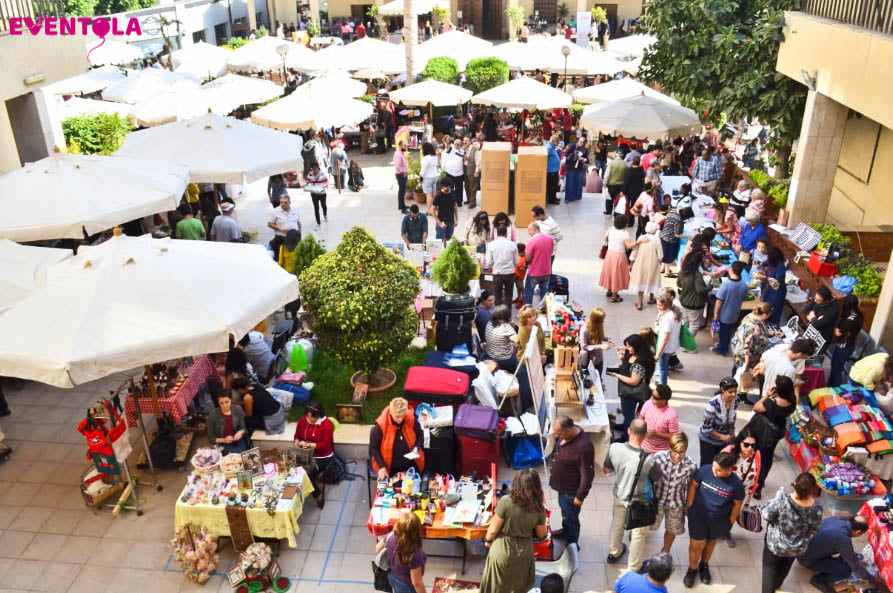
Churches of all denominations have also pioneered Christmas charity bazaars, initially aimed at creating revenue for charity works while also supporting members of their congregations who run small businesses. Over time, these bazaars proved to be ideal Christmas markets, attracting visitors from beyond the immediate congregation. The idea quickly spread, with more churches organising their own bazaars, and vendors competing for participation. For practical reasons, the events began to stretch across December weekends, and gradually adopted the atmosphere of traditional Christmas markets: carols playing in the background and festive treats on offer. The success of church bazaars soon caught on, with schools and shopping malls hosting their own versions, ranging from modest community-oriented events to more upscale affairs offering artisanal and luxury products.
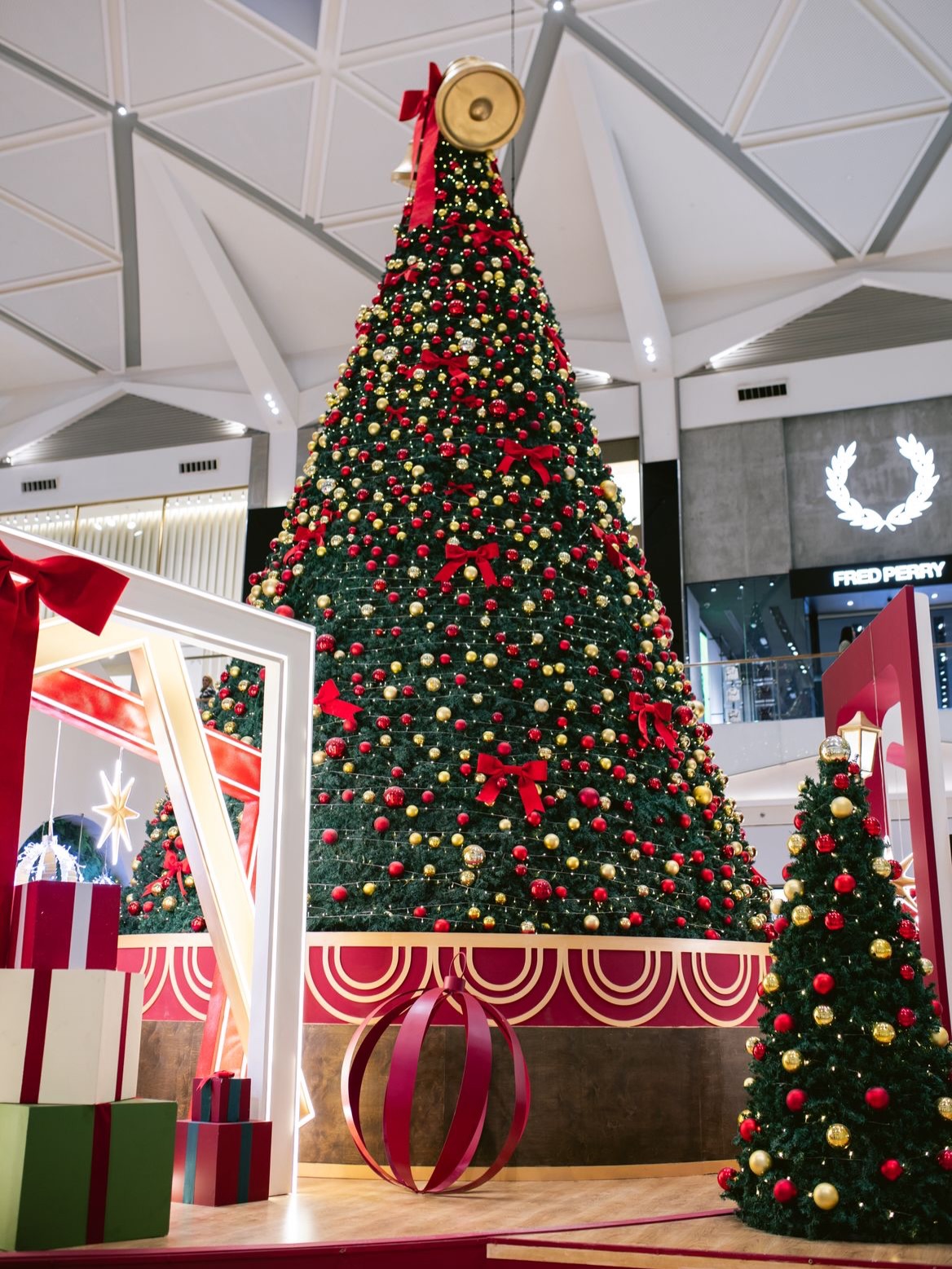
As to shopping malls, their towering Christmas trees are a spectacle in themselves. They glitter and glisten with lights, baubles and ribbons; they add an unmistakable sense of wonder and celebration. Many Cairenes now begin their Christmas shopping as early as the last week of November, tempted by irresistible Black Friday discounts. Because come December, Christmas trees are up, the festive mood is in full swing, and the promotional offers are a thing of the past. Those who managed to shop early count themselves lucky.
Yet Christmas in Cairo is not solely about consumerism. Egypt’s growing cultural scene comes alive during the season, offering a rich programme of performances throughout the month. Some events have become firm audience favourites, eagerly anticipated year after year. The Cairo Opera House presents a dedicated Christmas programme featuring orchestral concerts, Christmas carol recitals and ballet performances.
Private cultural entities also contribute to the seasonal buzz, organising activities that appeal to diverse tastes. These include live jazz and classical music concerts, choir performances in various venues, and Christmas-themed theatrical productions, all family-friendly events that add depth and artistic warmth to Cairo’s Christmas celebrations.
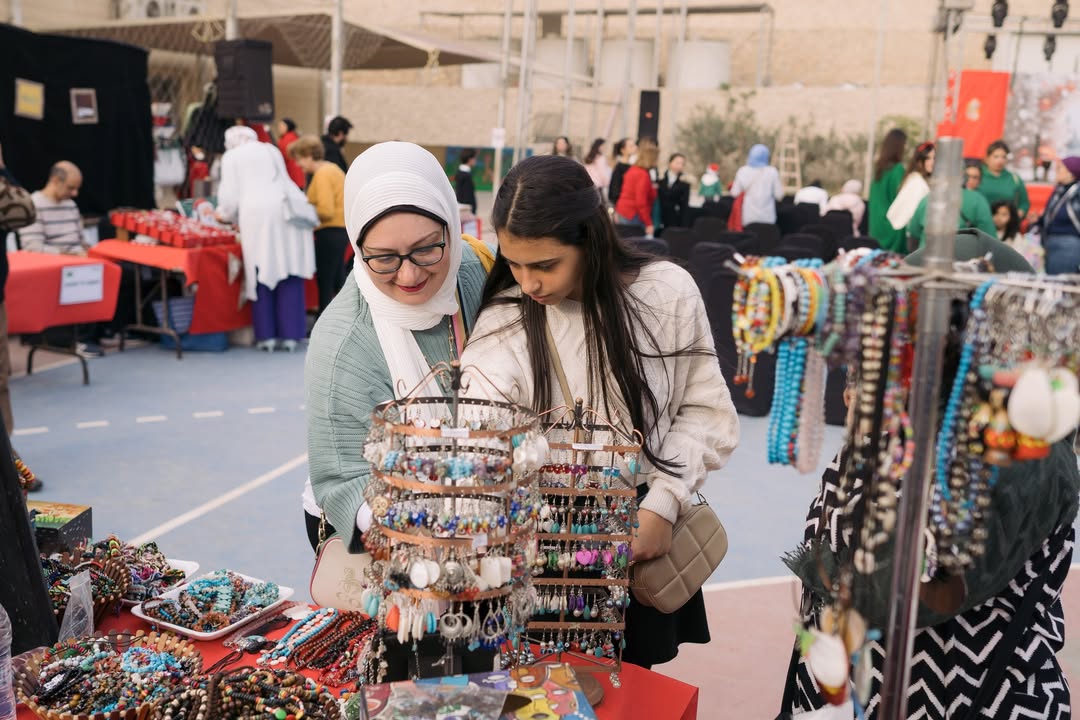
What is especially striking about Christmas in Cairo, however, is the extent to which it goes beyond religious boundaries. Many Muslim Egyptians actively partake in the festive atmosphere, shopping for decorations and gifts, visiting Christmas bazaars, or attending concerts and cultural performances.
Christmas season comes out as one of shared joy and charm. Families stroll through decorated malls, friends meet at bazaars, and audiences of various backgrounds attend Christmas concerts and performances. The dominating climate is one of calmly lived coexistence in which Christmas is part of the city’s broader social rhythm rather than a celebration confined to Christians.
And come the last December days that lead up to New Year, the Cairo Ballet Group’s ++The Nutcracker++ performs to full houses; proving itself again and again a highly popular New Year fixture. Fittingly, and nostalgically, it bids Christmas a farewell till the following year, and heralds in a bright New Year.
Watani International
17 December 2025