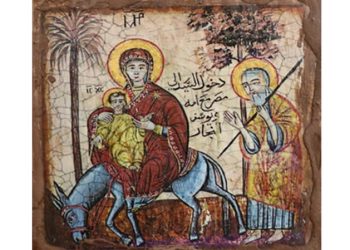

June is the month of celebrating the Holy Family—the Child Jesus, His mother Mary, and St Joseph—in Egypt. The first day of the month is the feast day on which the Coptic Church marks their entry into Egypt in their biblical flight from the face of Herod the King who sought to kill the Christ Child.
The Holy Family entered Egypt through its northeastern border, and travelled south west through the land till present-day Cairo, then sailed the Nile south till what is today Assiut some 350km south of Cairo. The journey was long and included many rest places, altogether 25 spots, at which the Family spent periods that were long or short, but ended in Assiut where they spent a full six months till the Angel of the Lord told St Joseph to take his family back to Israel.
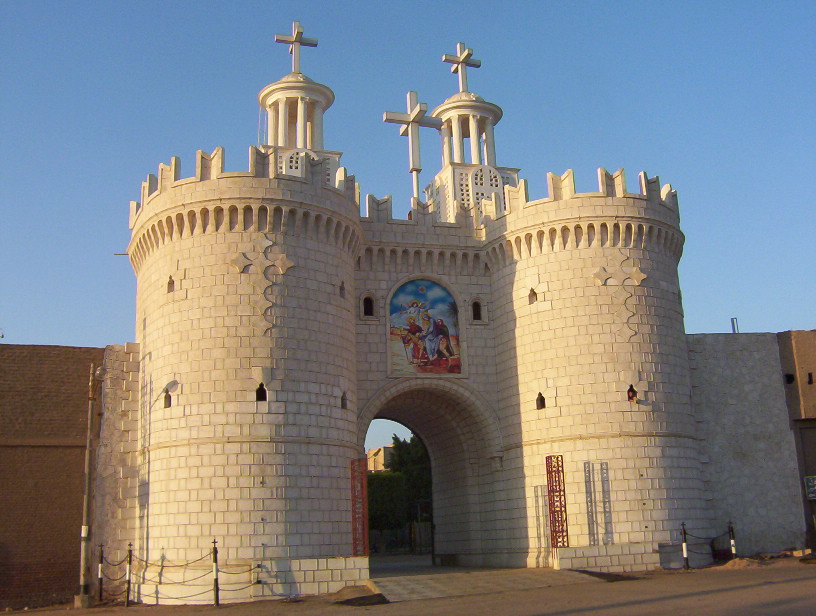
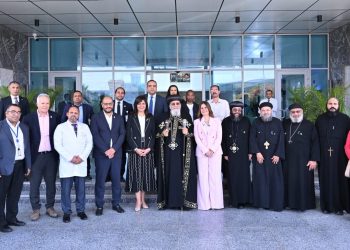
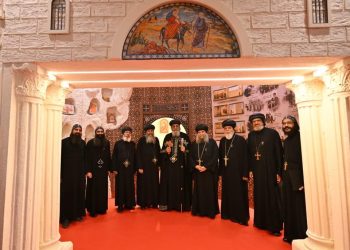
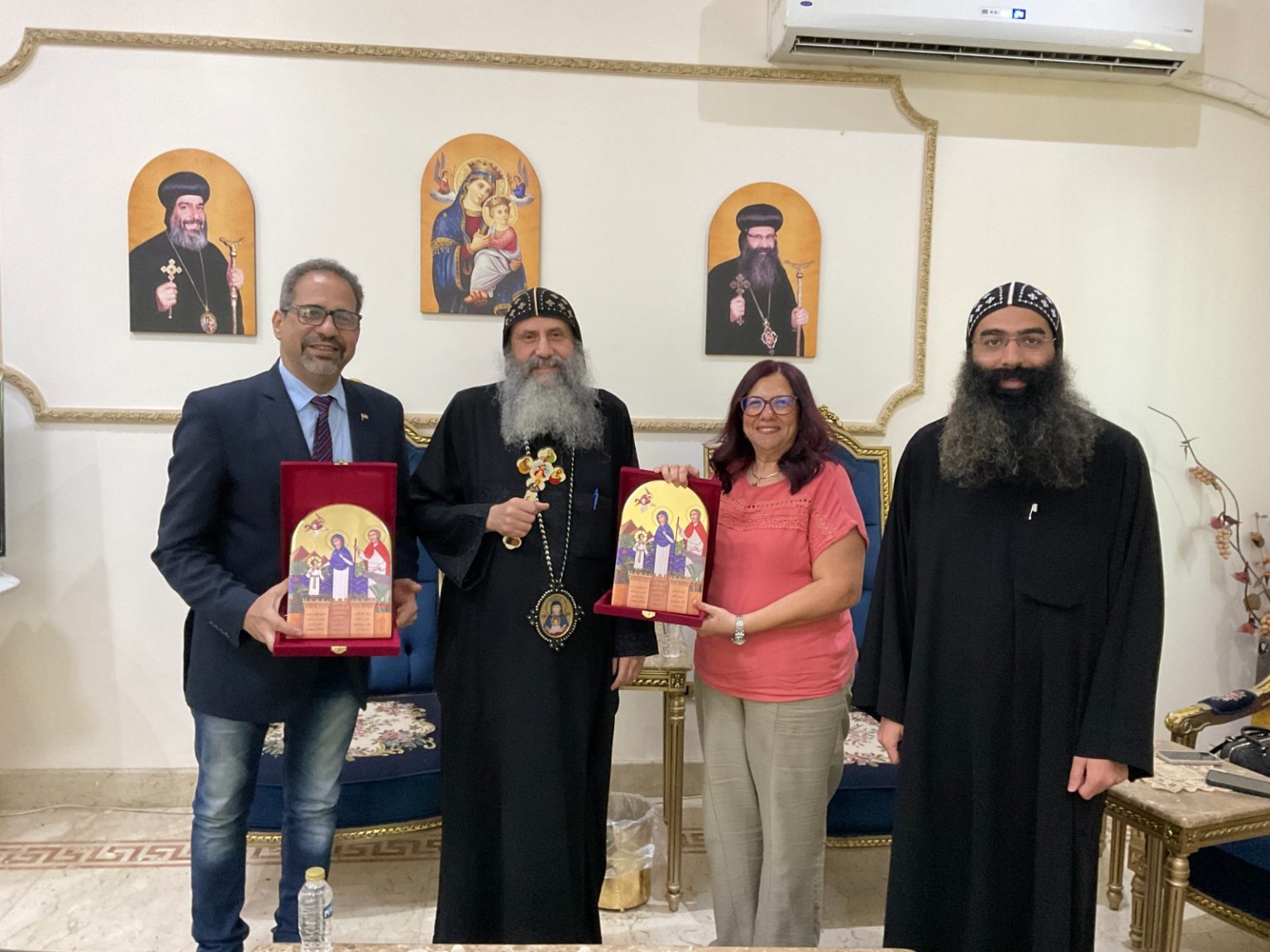
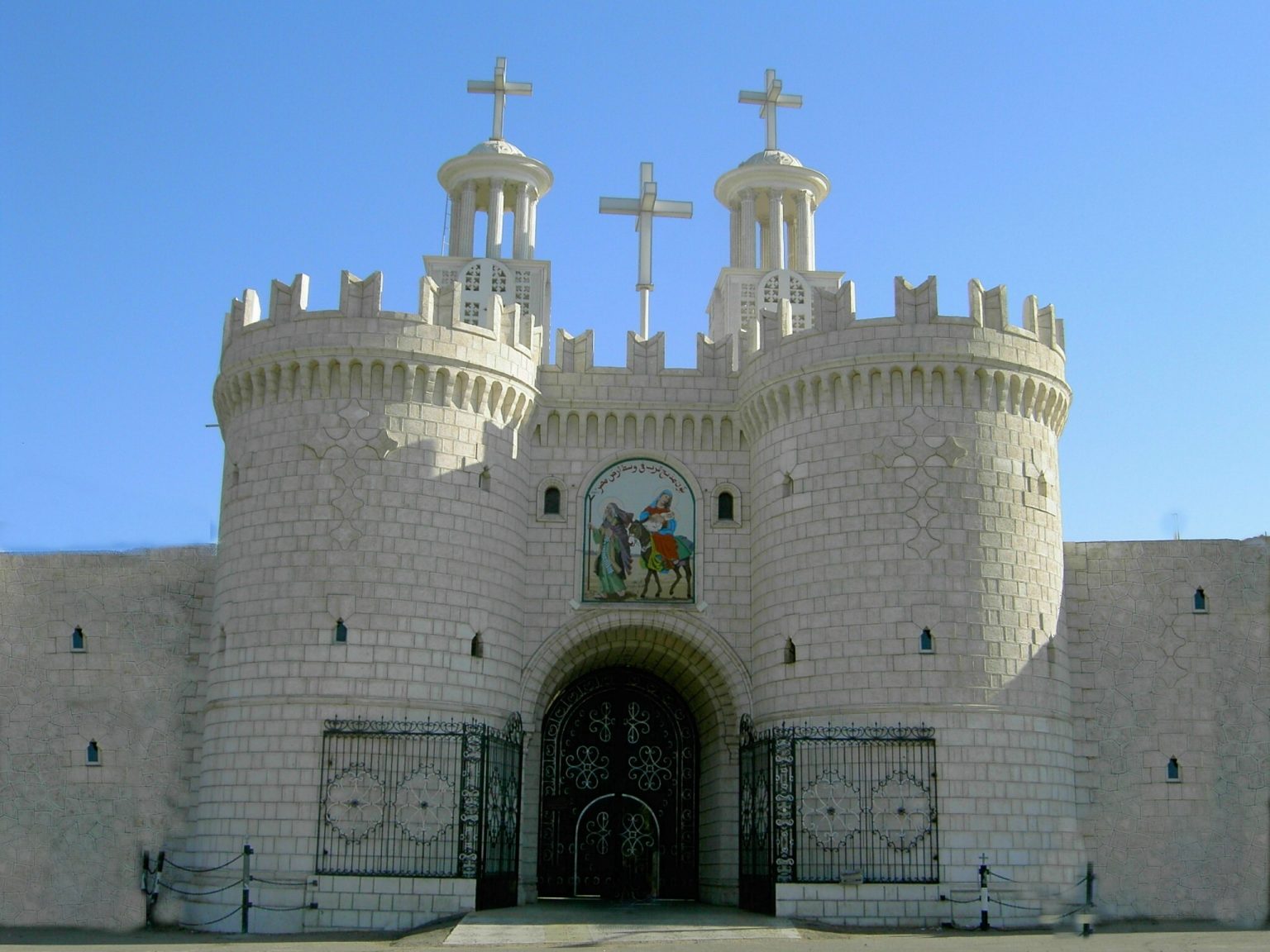
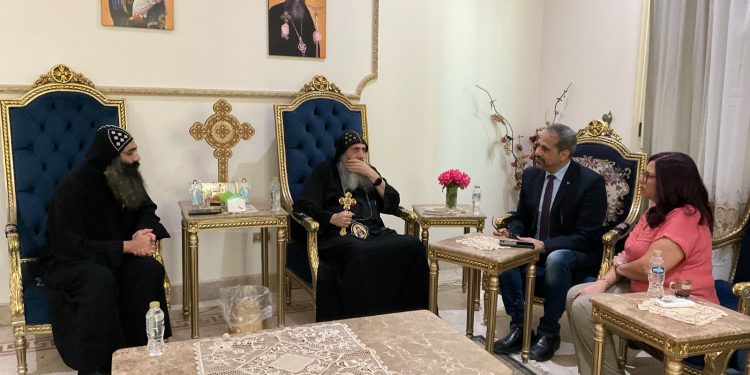
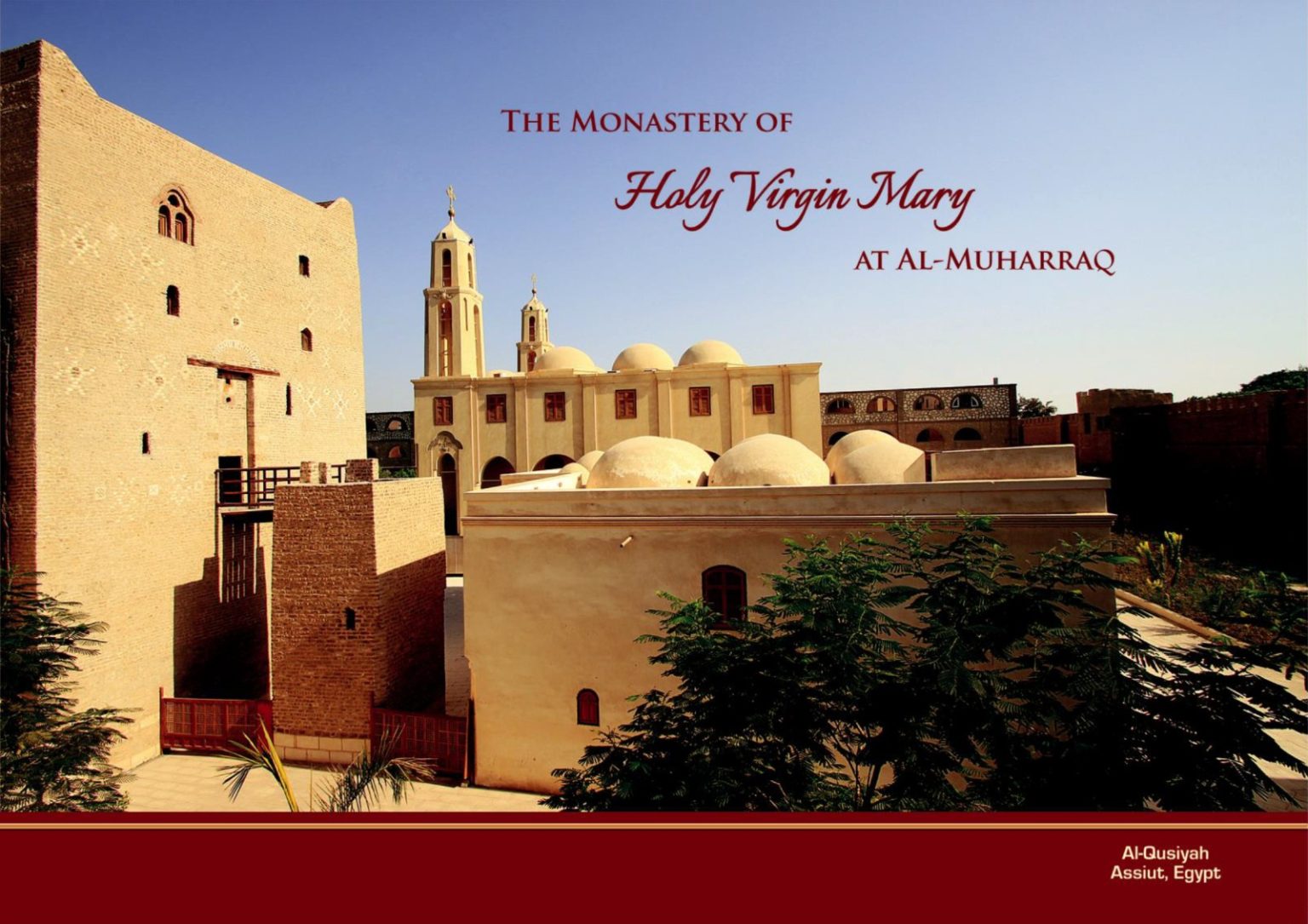
The 4th-century al-Muharraq Monastery of the Holy Virgin Mary in Assiut today stands on that spot. Watani talked to its Abbot, Bishop Bigol.
Why is Muharraq Monastery considered one of the most important sites on the Holy Family Trail in Egypt?
It is believed that the Holy Family spent some six months at the site today known as Gabal Qusqam, literally Mount Qusqam, at the spot on which the Muharraq Monastery of the Holy Virgin now stands. The monastery houses an ancient church that was built on the exact spot that housed the Child Jesus and His family. The altar in the church was anointed and consecrated by Jesus Himself in the first AD century. At the monastery, we celebrate that consecration on 6 Hator (16/17 November) every year.
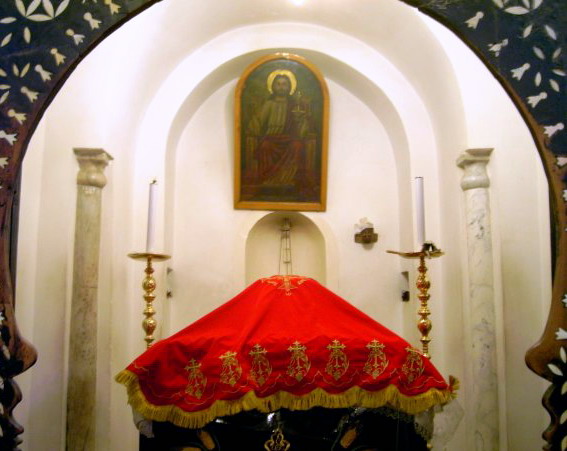
This is the tradition the Coptic Church received through its canonical tradition and the writings of its Fathers, especially Pope Theophilos I, the 23rd Patriarch of the See of St Mark in 385 – 412.
Muharraq Monastery is no mere archaeological site or historical walls, but a place where saints lived and monk fathers prayed from generation to generation, carrying the message of faith, love and peace.
Today, we have a role to remind people of this great history that centres around the unique journey of the Holy Family in the land of Egypt. This is a source of pride for all of us.
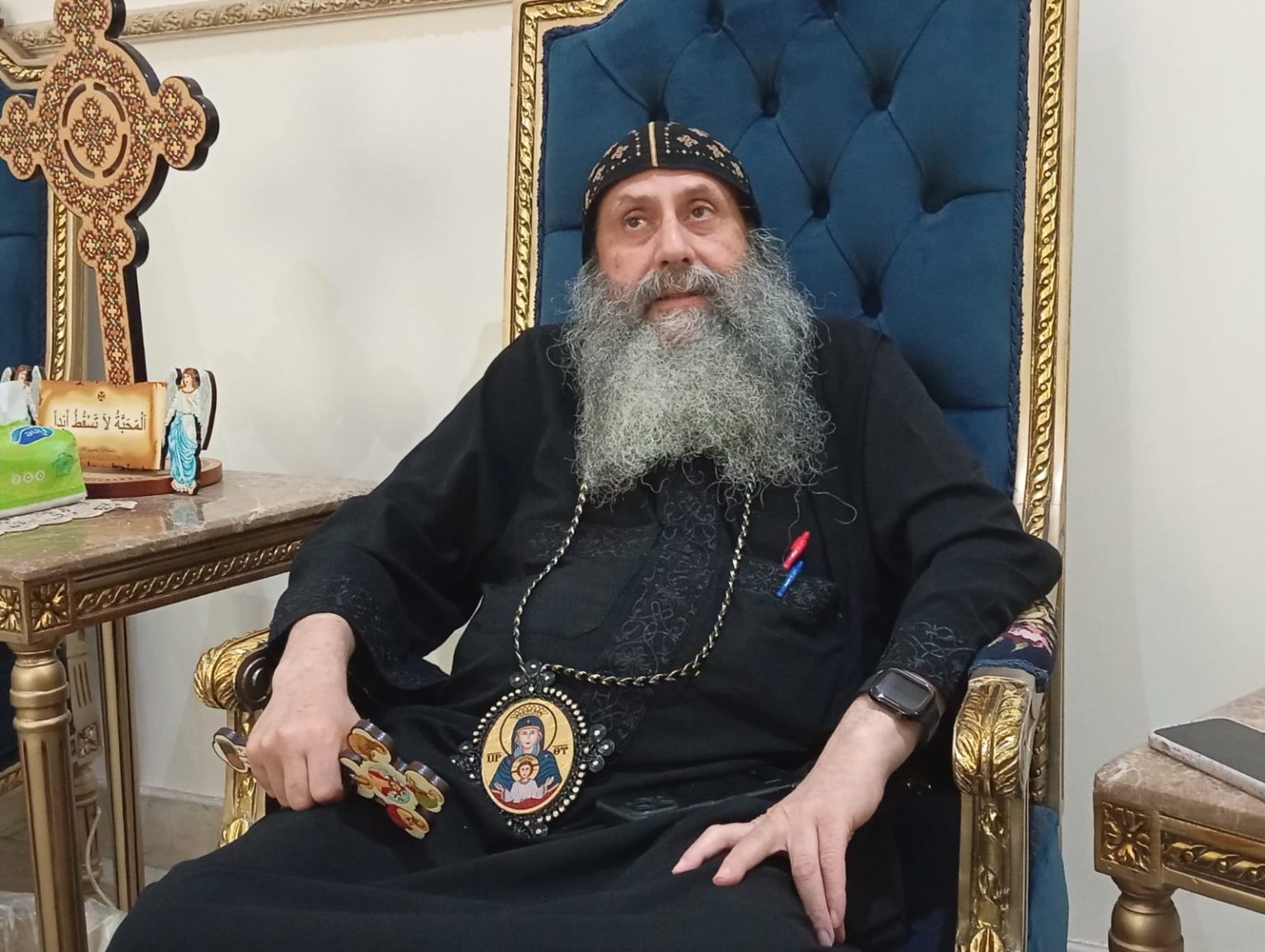
Does Muharraq Monastery follow special rituals to commemorate the stay of the Holy Family in Egypt and the consecration of the ancient church?
Muharraq Monastery does indeed have its own rituals, chief among which is that there should be uninterrupted worship in the ancient church. The Divine Liturgy is celebrated there every day except for the four days of Passion Week, sung fully in the Coptic language.
During the Feast of the Cross, we march in a celebratory procession through the entire monastery ground, stopping at special spots for Gospel readings. There are also special rituals that we honour on our celebration of the Feast of the Entry of the Holy Family in Egypt on 24 Bashans, 1 June, in addition to our joyful celebration of the Feast of consecration of the ancient church on 6 Hator.
The Monastery of Muharraq has given the Coptic Church special melodies that came from among its traditions, such as the melody chanted during the distribution of the sacrament on the Nativity Paramon Liturgy.
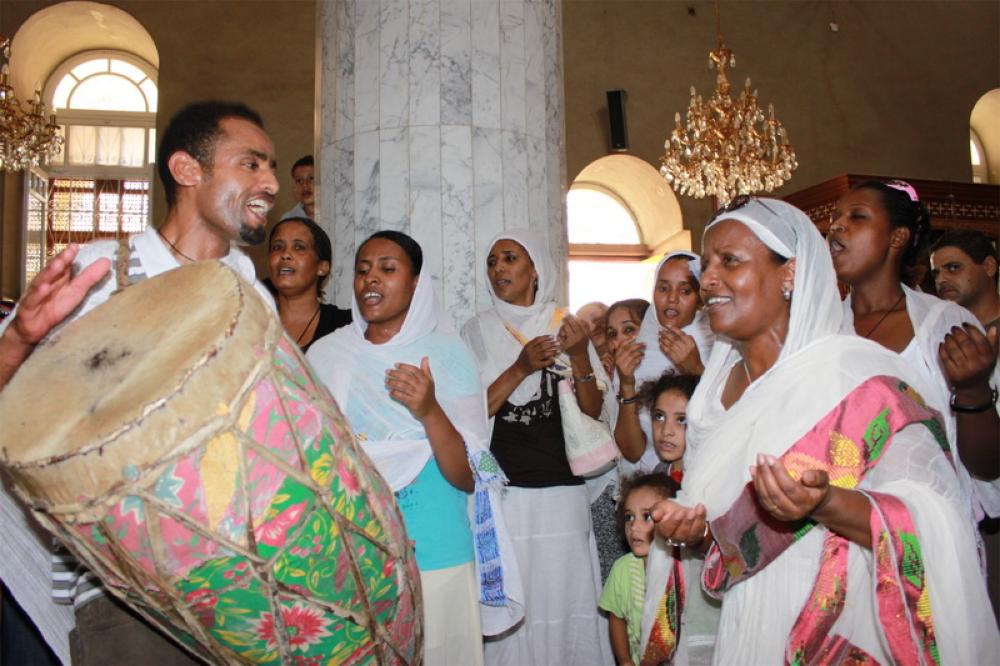
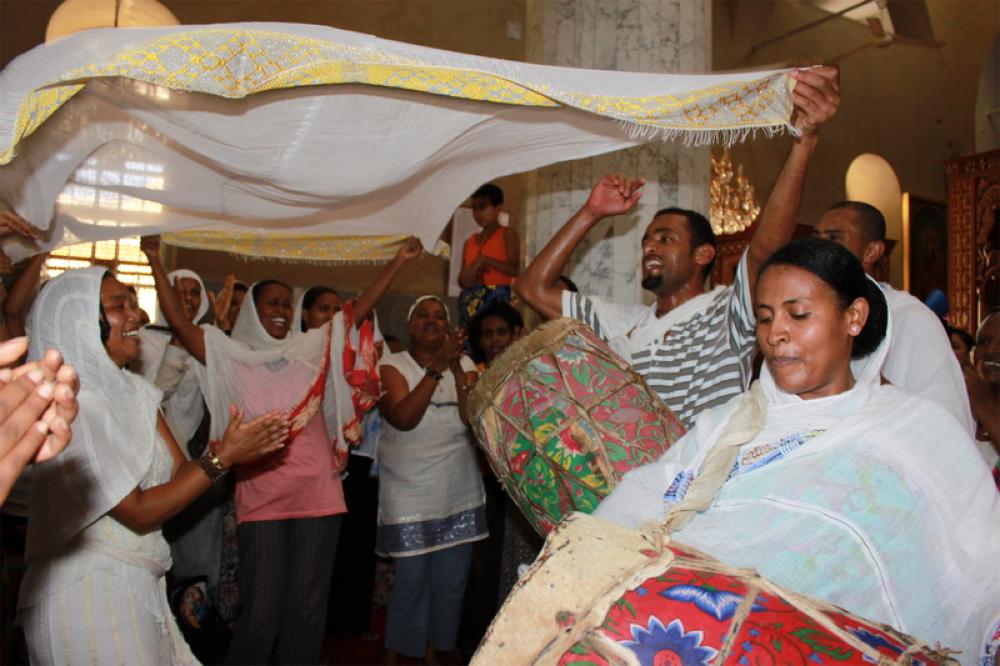
Muharraq Monastery is famous for being a pilgrimage destination for Ethiopians and Eritreans. Will you tell us about that?
Tradition has it that Christianity was brought to Ethiopia through St Matthew the Apostle, but Christianity did not spread widely there until St Athanasius, the 20th patriarch of the Coptic Church in 326 – 373, appointed St Frumentius as the first bishop of Ethiopia; the Ethiopians called him Abune Salama. Ethiopia became a diocese of the See of Alexandria.
Ethiopians loved the places where Jesus had lived in Palestine, as well as in Egypt’s Mount Qusqam which they called the “second Jerusalem”. Many of them were attracted to these places.
Historical manuscripts in the monastery’s library testify to the presence of Ethiopian monks there in the late fourth century. Their deep honour and devotion to the ancient church trodden by Jesus’s feet as a child is indescribable. Manuscripts preserved in their monasteries are filled with the many miracles worked by the Holy Virgin in the monastery at Qusqam.
During the 14th and 15th centuries, the Ethiopian monk community at Muharraq was a vivid, active one that included some 30 monks.
In the 18th century, the powerful and influential Ethiopian Empress Mentewab (c. 1706 – 1773) visited the Qusqam monastery of Muharraq. She took home with her soil from Qusqam, which she blended into the building materials used to build the great church in the Qusquam Complex in Gondar, a historic royal compound and hilltop monastery in Gondar, Ethiopia, that served as her palace and final resting place, which she had named after Egypt’s Qusqam.
The Ethiopian monk community at Muharraq continued to thrive—there was even a church built especially for them in the 19th century—until the Italian Ethiopian War in 1936-1948.
Muharraq Monastery is a popular pilgrimage site for Egyptians. Does the larger number of visitors pose any problem?
We constantly monitor any problems to the buildings and facilities, and there is ongoing cooperation between us and relevant government authorities to handle matters. The monastery is officially listed as a site of antiquity and, as such, any work we do is in coordination with the Antiquities Authority.
During the month of June, the season of celebration of the Holy Family in Egypt, we receive huge numbers of visitors. We prepare for that by fully coordinating with State authorities. Security is heightened and traffic is regulated to accommodate the movement of people.
Given that Muharraq Monastery is the most important spot on the Holy Family Trail in Egypt, what does it need to be ready for larger tourist numbers?
Access to the monastery is already easy and safe through good, secure roads built by the government.
We still need, however, a good sanitary drainage system connected to the main grid, and connection to the natural gas grid. We are hoping the government would help us with that.
The monastery also needs adequate facilities to accommodate the growing numbers of visitors, so we would like help to build a hotel or guesthouse whether inside or outside the monastery walls.
It is a great asset that the population living around the monastery love and respect the place and are proud of their presence near the monastery. They are a kind and peaceful people who welcome visitors. Once these visitors become a source of work and livelihood for the population, the situation will be a beneficial one for everyone concerned.
Urban sprawl has today spread close to Muharraq Monastery. How does the monastery deal with that?
We recognise the communities around us, and we make sure we offer them the spiritual and practical services they need. They are a peaceful community, and the relation between them and the monastery is thriving.
Watani International
17 June 2026