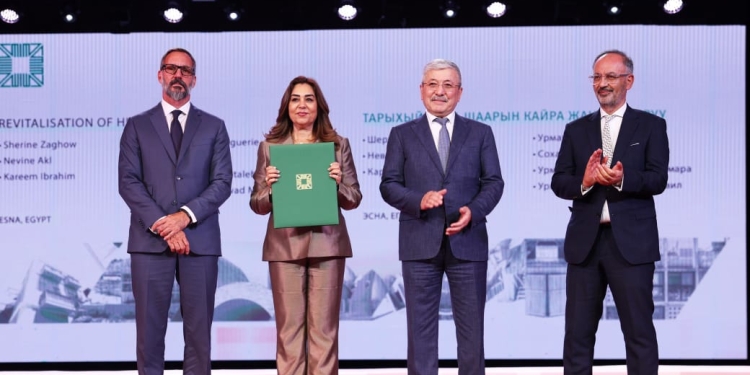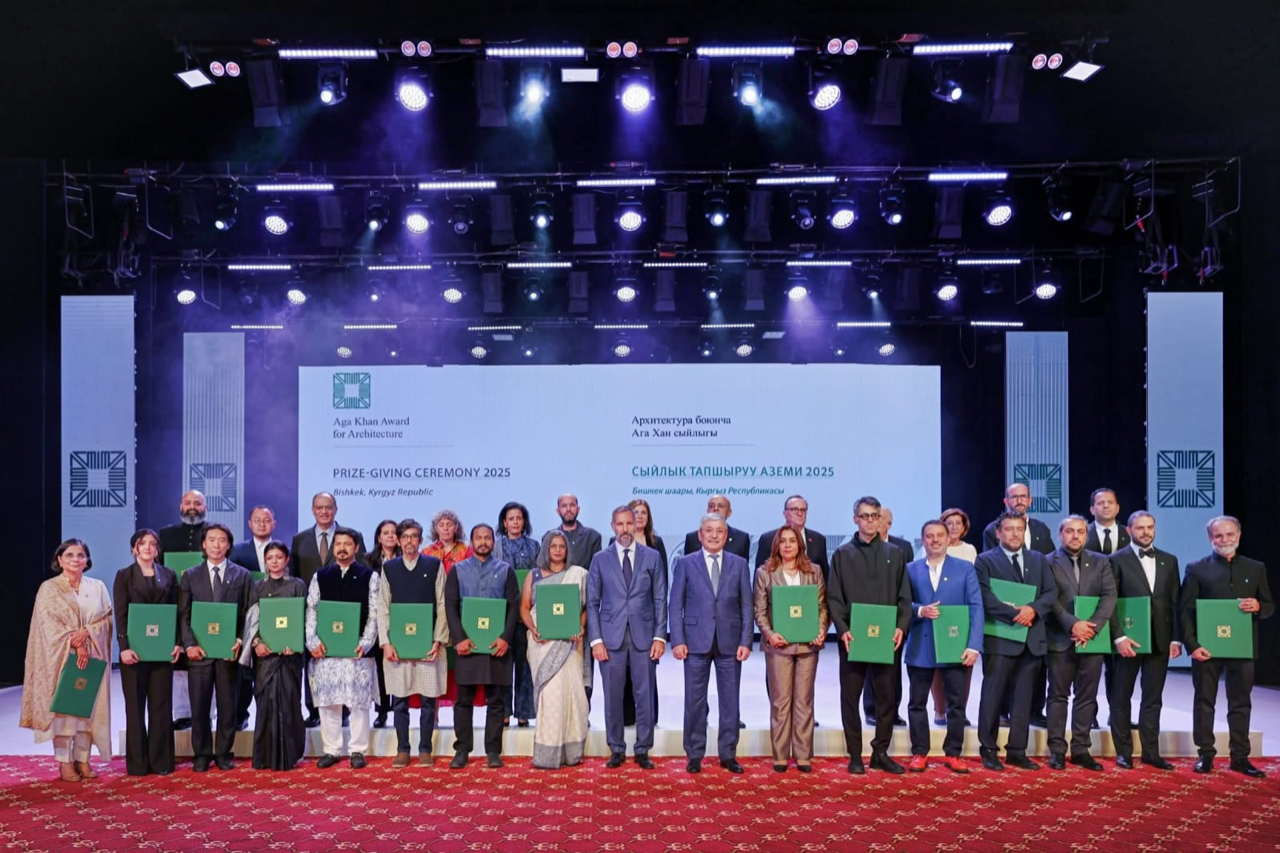

On 15 September, Egypt officially received the 16th edition of the Aga Khan Award for Architecture 2025 for its Revitalisation of Historic Esna project. Egypt had last won this prestigious architectural award in 2004 for the Bibliotheca Alexandrina.
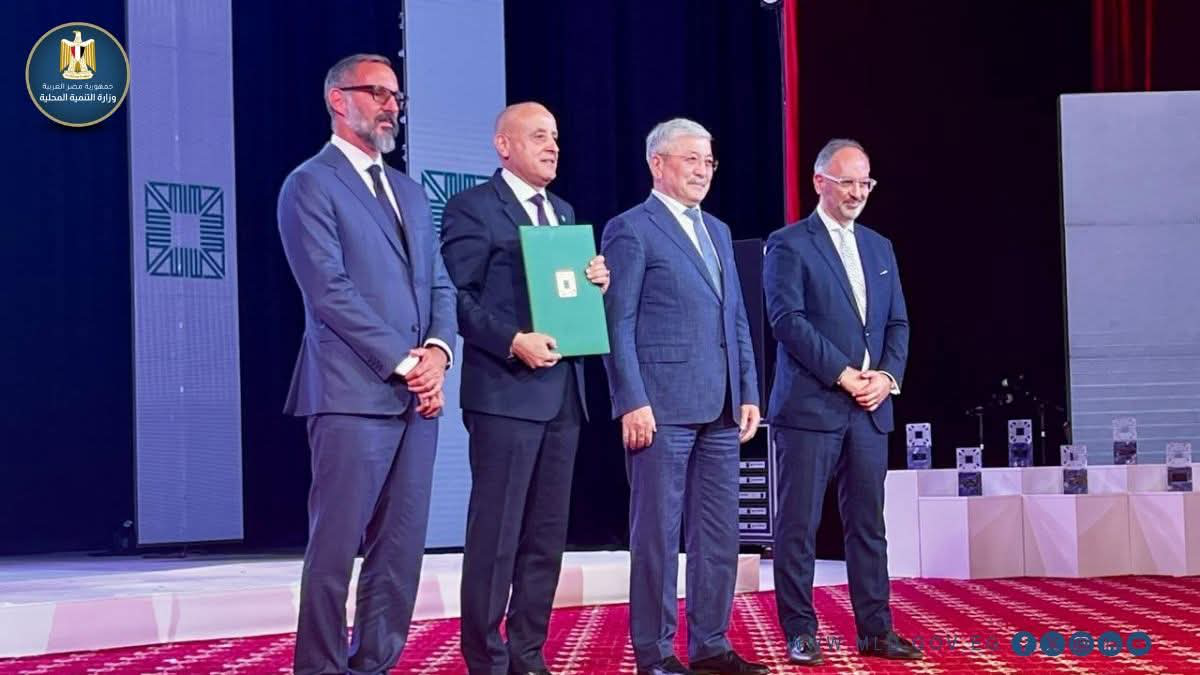
Manal Awad, Minister of Local Development, and Abdel-Mutalib Emara, Governor of Luxor, received the Aga Khan Award for Architecture during a ceremony held by the Aga Khan Development Trust in Bishkek, Kyrgyz Republic. The event was attended by Prince Rahim Aga Khan V, Chairman of the Aga Khan Development Network (AKDN), representatives of the Aga Khan Trust for Culture and AKDN. He was joined by prominent figures in the fields of architecture and culture, and representatives of the winning countries. Present at the ceremony were the proud founding partners of Takween Foundation for Integrated Community Development, the design and implementation entity that carried out the Revitalisation of Historic Esna project. These included Karim Ibrahim, Project Manager; Nevin Aql, Director of the Project’s Design Unit; and development expert Sherine Zaghlo, Head of the Tourism and Economic Component of the project.
The award was selected by the main jury among seven projects that won the award this year. Other winning projects for 2025 came from Bangladesh, China, Iran, Pakistan and Palestine.
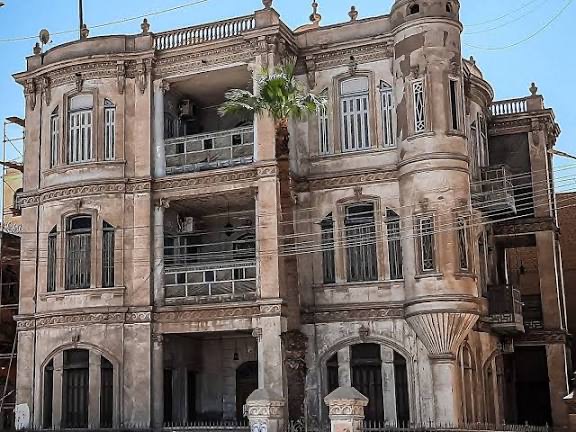
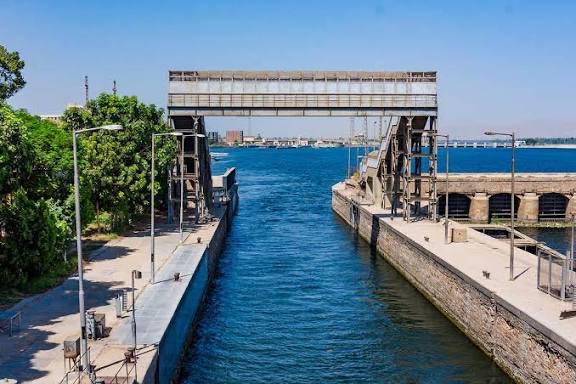
Until 2021 and ever since the 1950s, Esna saw a period of decline after the construction of a new barrage that redirected Nile cruise routes away from the city. This shift led to a significant decrease in tourist traffic, which consequently hurt its economy and left many of Esna’s historic buildings and urban spaces neglected and in decline.
In 2009 this sad story was set to change, when Takween Integrated Community Development, an Egyptian NGO focused on heritage, architecture, and community development took interest in Esna, and asked the simple yet bold question: Can cultural heritage drive sustainable urban development? Takween came up with a plan and in 2016 partnered with the Ministry of Tourism and Antiquities, and Luxor Governorate to launch the Revitalisation of Historic Esna project. In 2021, the same partners launched a new component in the project: VISIT‑Esna, standing for “Value Investment in Sustainable Integrated Tourism – Esna”. All through, USAID worked as the main funder to the project.
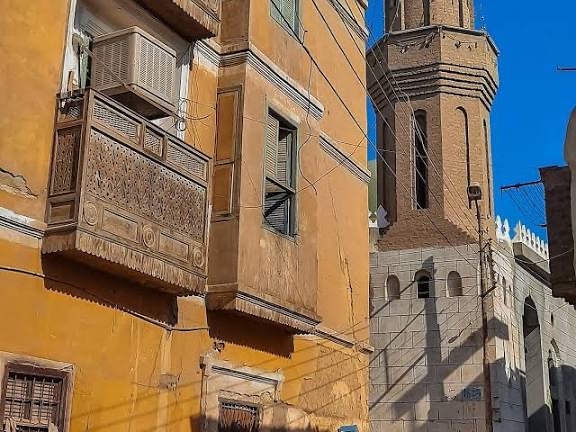
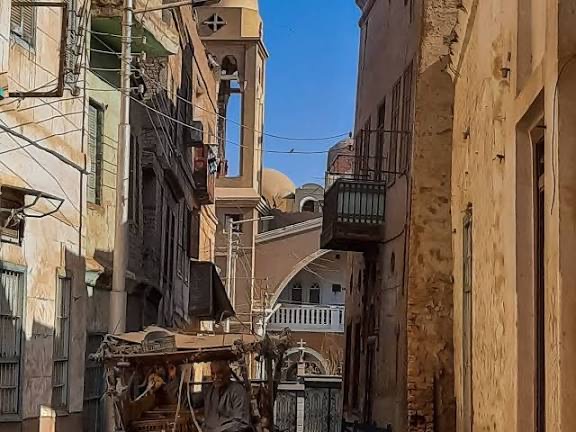
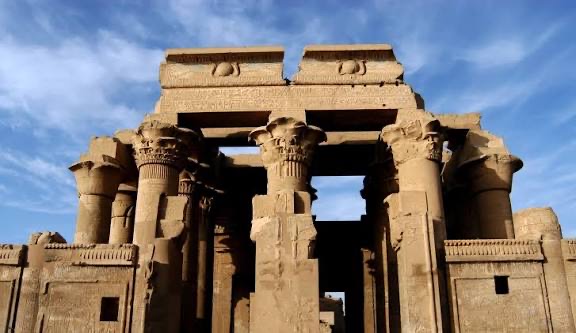
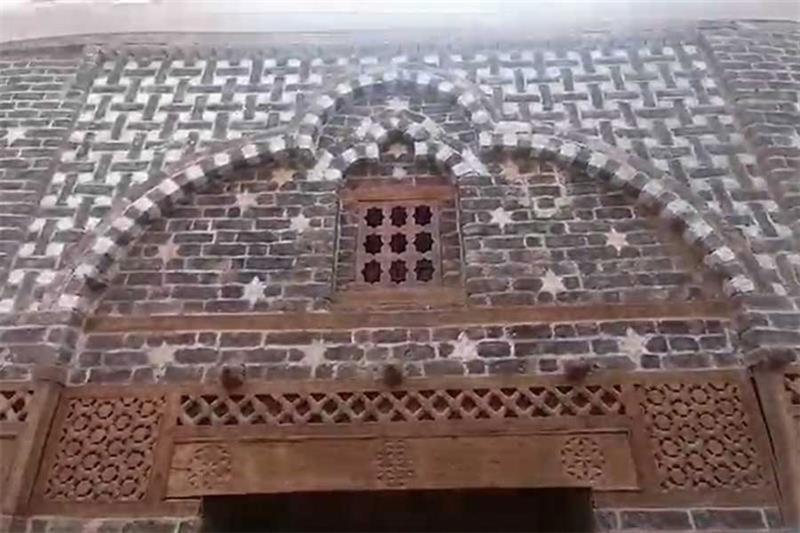
The project, which is still ongoing, aims to transform Esna from a neglected site centred on the Temple of Khnum into a sustainable, vibrant heritage destination while serving as a model for similar cities across Egypt. That said, the project focuses on preserving Esna’s architectural heritage while supporting community-led economic renewal. By restoring key historic sites including traditional markets, caravanserais, and civic buildings, the project aims to transform Esna into a vibrant cultural destination. Works have included the conservation and adaptive reuse of the 18th-century Wakalat al-Geddawi, upgrades to the Qisariyya Market and Bazaar Street, restoration of the 19th-century Royal Guesthouse, and rehabilitation of 15 architecturally significant sites. Through the use of traditional materials like mud-bricks and wood, and reviving traditional techniques, the project emphasises sustainability.
Socioeconomic efforts included capacity building of over 430 local participants and 18 SMEs in business skills, and documenting cultural and architectural heritage. The establishment of women-led enterprises, including Women’s Kitchen and the Women-led Wood Workshop, have helped promote gender inclusion. Tourism initiatives strongly increased visitor numbers, and local businesses received infrastructural and financial support.
During the award ceremony, the Minister of Local Development expressed her delight at attending this “distinguished cultural and humanitarian forum”, which has become a “global benchmark for celebrating creativity and excellence in the fields of architecture and sustainable development”. According to Dr Awad, this award not only reflects the brilliance and quality of architectural design, but also underscores the pivotal role of architecture in improving people’s lives, preserving cultural identity, and achieving a balance between authenticity and modernity.
For his part, Luxor Governor Abdel-Mutalib Emara spoke about the parallel efforts being done by the State to develop Esna including the development of the city’s 1,260-metre-long Nile Corniche. The idea, he said, is to turn Esna into a modern cultural and tourist destination by establishing a river walkway, bazaars, an open theatre, and recreational parks. Mr Emara pointed out that the State is also currently working on developing public spaces, upgrading infrastructure, and restoring the facades of heritage buildings surrounding the Khnum Temple the building of which started in the 15th-century BC and continued into the Greco-Roman era.
On their website, AKDN posted: “The project preserved Esna’s historic fabric, cancelled demolition plans, and redefined urban management. By creating hundreds of jobs and fostering community ownership, it serves as a replicable model for sustainable development.”
According to the Jury Citation, the project clearly shifts the paradigm of urban conservation to another level, prioritising the role of residents’ collective intelligence in transforming their challenging and derelict built environment. “Rather than only addressing monuments and other tangible historic fabric, the focus is also on intangible cultural capital as leverage to revitalise both the material and immaterial dimensions. The key gain from the revitalisation of historic Esna is how it reactivates historic spaces through incremental and accumulative actions to synergise the social, cultural, environmental and economic potentials through the community’s ingenuity. Thus, it introduces social innovation as a creative tool for urban upgrading, such as the Okra women-run initiative for gender inclusion and local economic growth.
“With its highly participative approach towards urban heritage conservation, the project became the first ‘conservation plan’ for a non-monumental urban area to be approved by the Government of Egypt. Unprecedented in its combination of adaptive reuse with community empowerment and stimulating the local economy, it could bring balance to Egypt’s otherwise more formal heritage conservation strategies and policies.”
The Aga Khan Award for Architecture is one of the most prestigious architecture prizes in the world. It was established in 1977 by the Aga Khan to identify and reward outstanding architectural projects that address the needs of Muslim societies, improve quality of life, and are culturally and environmentally sustainable.
The award is presented every three years and has a prize fund of USD1 million, one of the largest in architecture. It recognises not just architects, but also clients, builders, and communities involved in shaping the built environment.
Watani International
17 September 2025