
Prince Karim Aga Khan (1936 – 2025) the spiritual leader of the Ismaili sect since 1957 and until his death, has been buried in Egypt’s southernmost city of Aswan, some 800km south of Cairo. He was the 49th Imam of the Ismaili sect, having inherited the Imamate and the title of Aga Khan at the age of 20 upon the death of his grandfather, the Aga Khan III. The grandfather had written a will bypassing his son and assigning the Imamate to his grandson, with the express desire that superbly educated young blood should bring the Ismaili community into the modern age. The Ismaili sect belongs to Shia Islam and is based in Pakistan.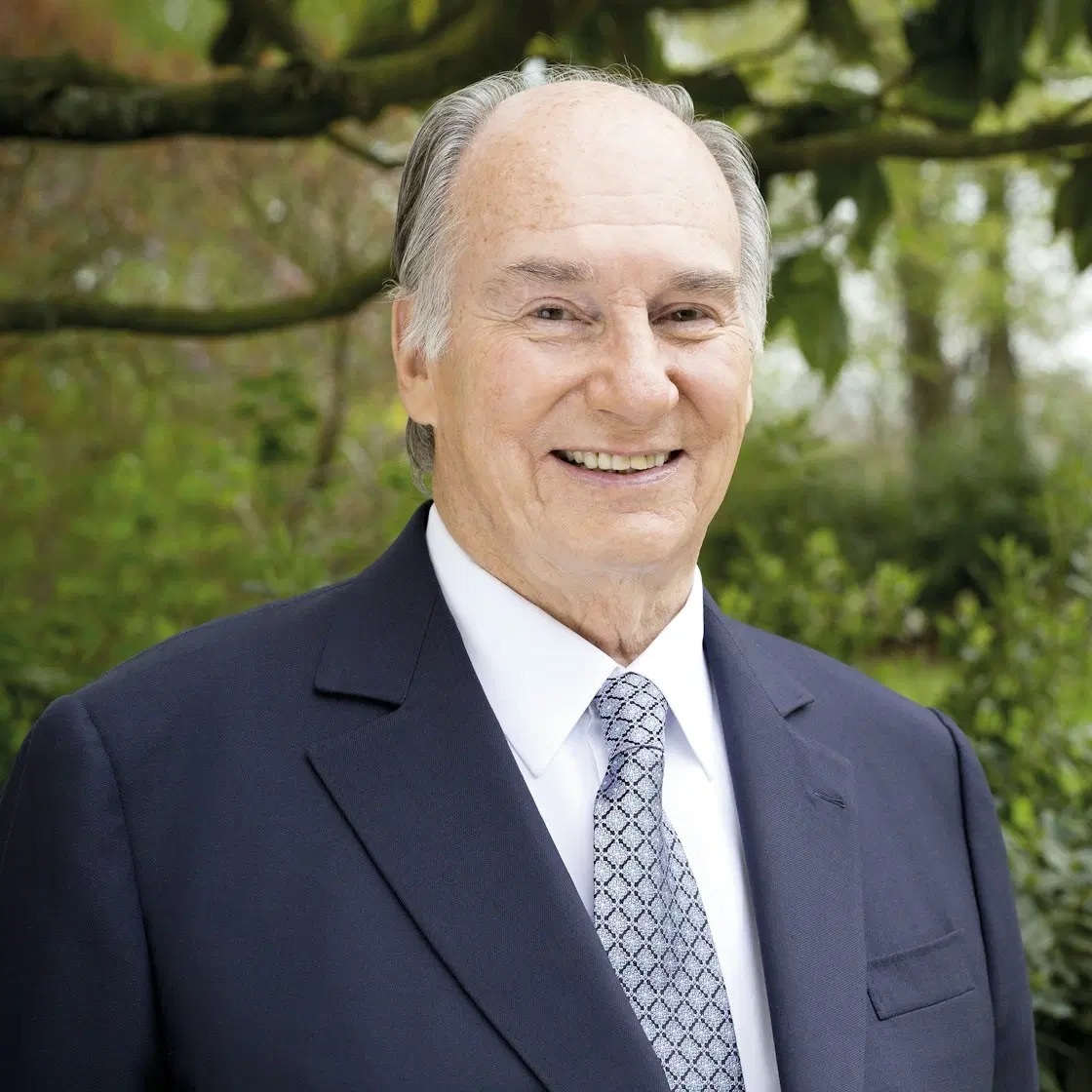
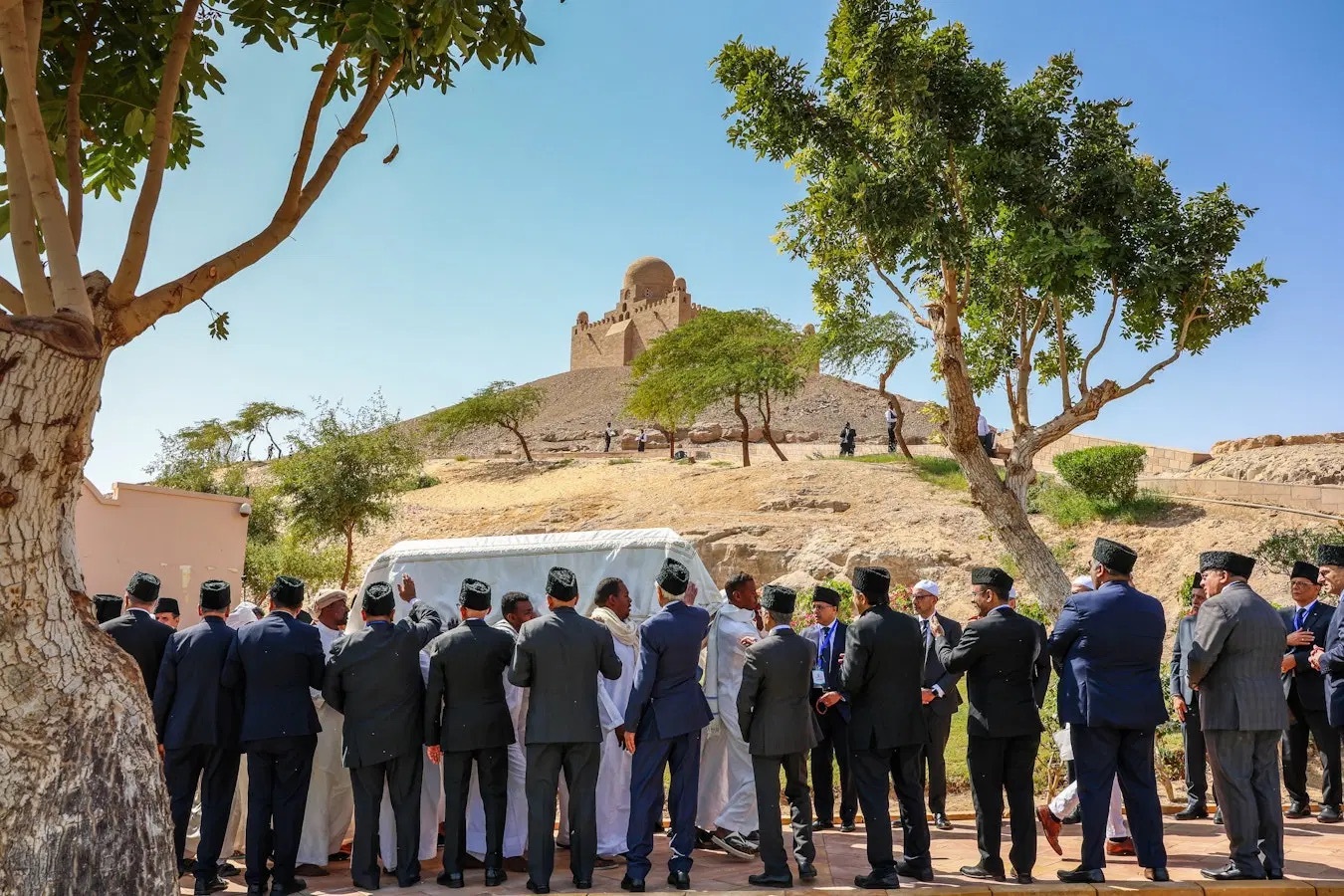
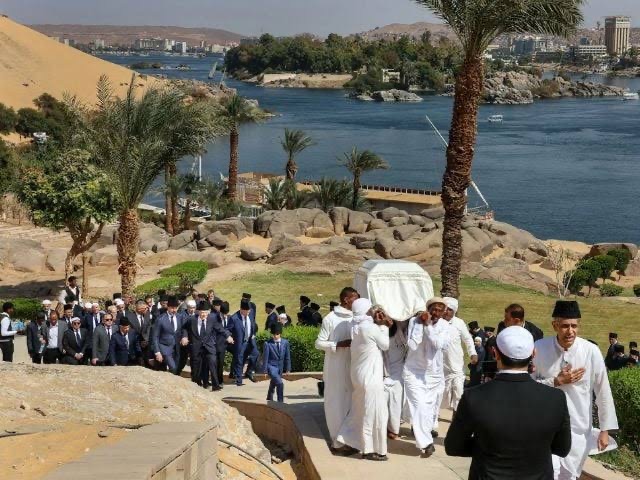
Aswan funeral procession
Prince Rahim Aga Khan, the eldest son of Prince Karim and the 50th Imam of Ismailism, arrived at Aswan on the evening of 8 February 2025, together with his family. He arrived on a private jet carrying 80 mourners from the Aga Khan family and prominent members of the Ismaili community for the burial of his father who had died on 4 February 2025 in Lisbon Portugal, and had been given a private funeral there. Special prayers were said for him in Pakistan where the Ismaili community is concentrated.
The burial took place in Aswan on the morning of 9 February, the day following the arrival of the family.
Prince Rahim was received at Aswan International Airport by Aswan Governor Ismail Kamal, who was accompanied by Ahmed El-Baz, Director of Aswan International Airport; and Hanan El-Gendy, Executive Director of the Umm Habiba Foundation.
A second private plane, carrying the body of the late Prince, arrived at noon on 9 February.
The funeral procession passed through Aswan’s landmark spots; it started in front of the shrine of [Aswan-born prominent intellectual and writer] Abbas al-Aqqad (1889 – 1964) towards Sir Magdy Yacoub Square, [named after the world-renown, pioneering Egyptian British cardiologist who established in Aswan the world-class Aswan Heart Centre].
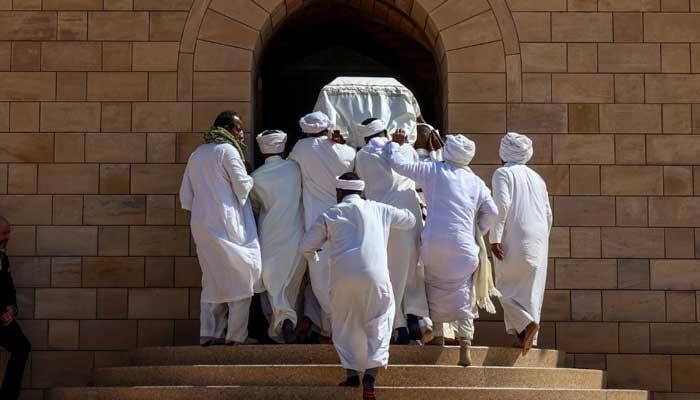
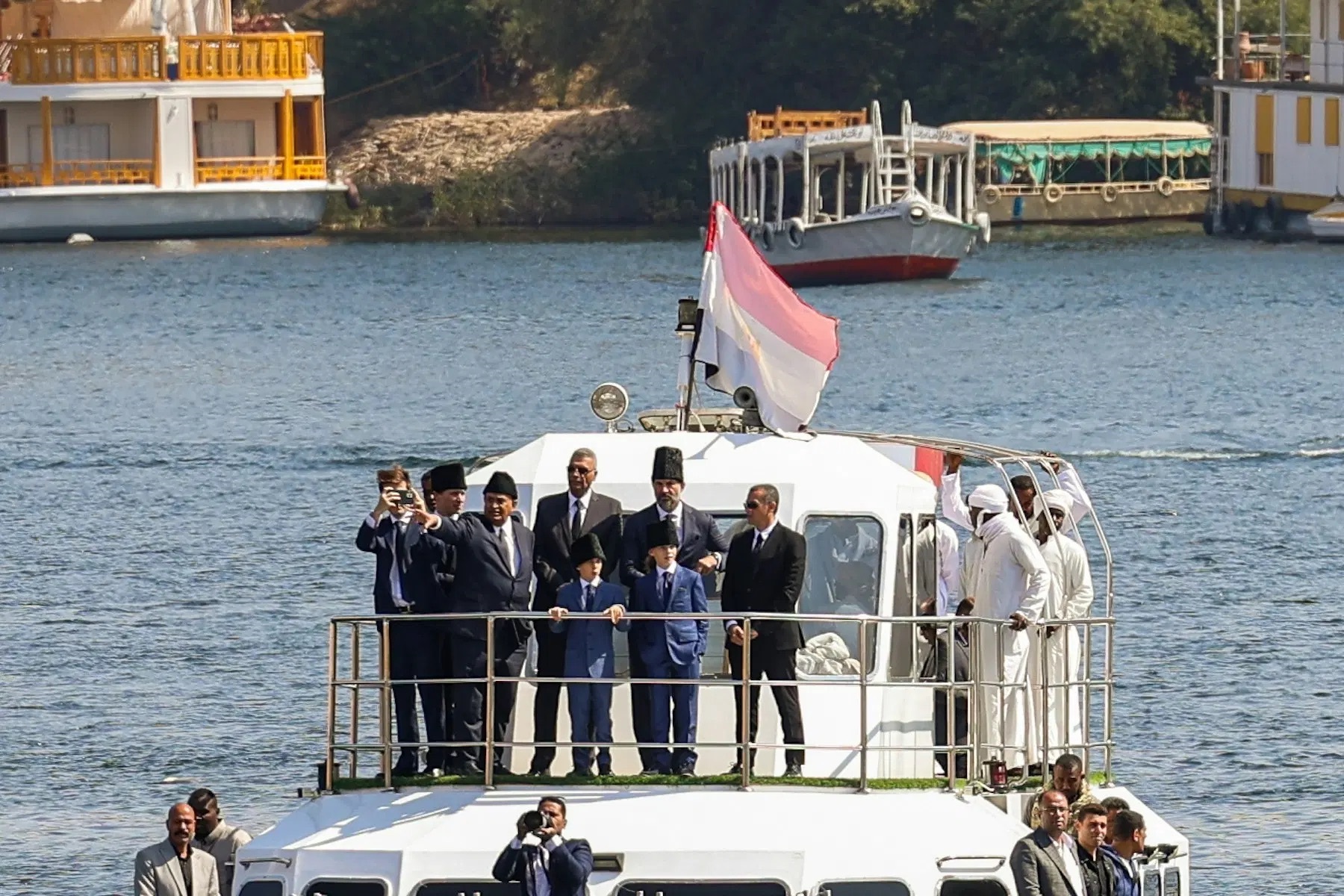
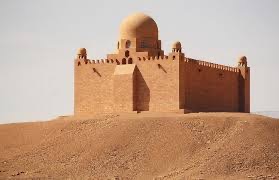
The Prince’s coffin and the mourners then boarded a number of Nile boats to the west bank of the Nile, and up the hill on which the Aga Khan mausoleum, today a landmark tourist site, is located. He was buried alongside his grandfather and predecessor, Aga Khan III, who died in 1957; and his wife, Begum Umm Habiba, who died in 2000.
Inspiring figure
Karim Aga Khan is known as a religious leader, business magnate, and socialite; his net worth was estimated at over USD3.3 billion. He held citizenship of the UK, France, Switzerland, Portugal and Canada, and was famous for his extraordinary contributions to humanitarian work, education, and global development. He was awarded innumerable medals and honours from countries over the world.
He is cited to have been actively involved in resolving complex political and economic changes that affected his followers, including the independence of African countries from colonial rule; the expulsion of Asians from Uganda and other African countries; the independence of Central Asian countries; and the continuous turmoil in Afghanistan and Pakistan. The humanitarian effort he put into the resolution of such crises was outstanding, and directly benefitted members of the Ismaili community.
The late Prince was the founder and chairman of the Aga Khan Development Network (AKDN), one of the largest private development networks in the world, through which he transformed countless lives, leaving behind a legacy of service, innovation, and compassion.
AKDN coordinates the activities of over 200 agencies and institutions, employing some 80,000 paid staff, the majority of whom are based in developing countries. AKDN is partly funded by the late Prince’s followers and donor partners that include numerous governments and several international organisations. AKDN agencies operate in the fields of health, education, culture, rural development, institution-building, and the promotion of economic development in developing countries.
The Aga Khan Award for Architecture is the largest architectural award in the world.
In Egypt
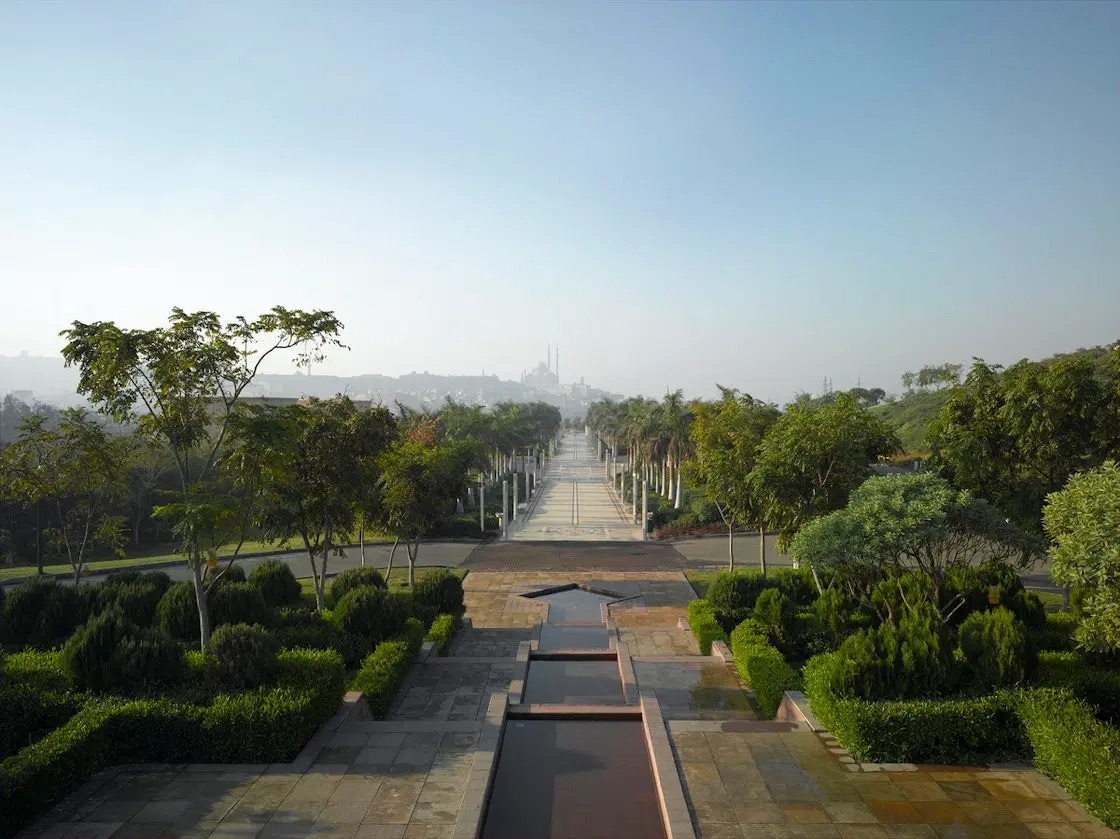
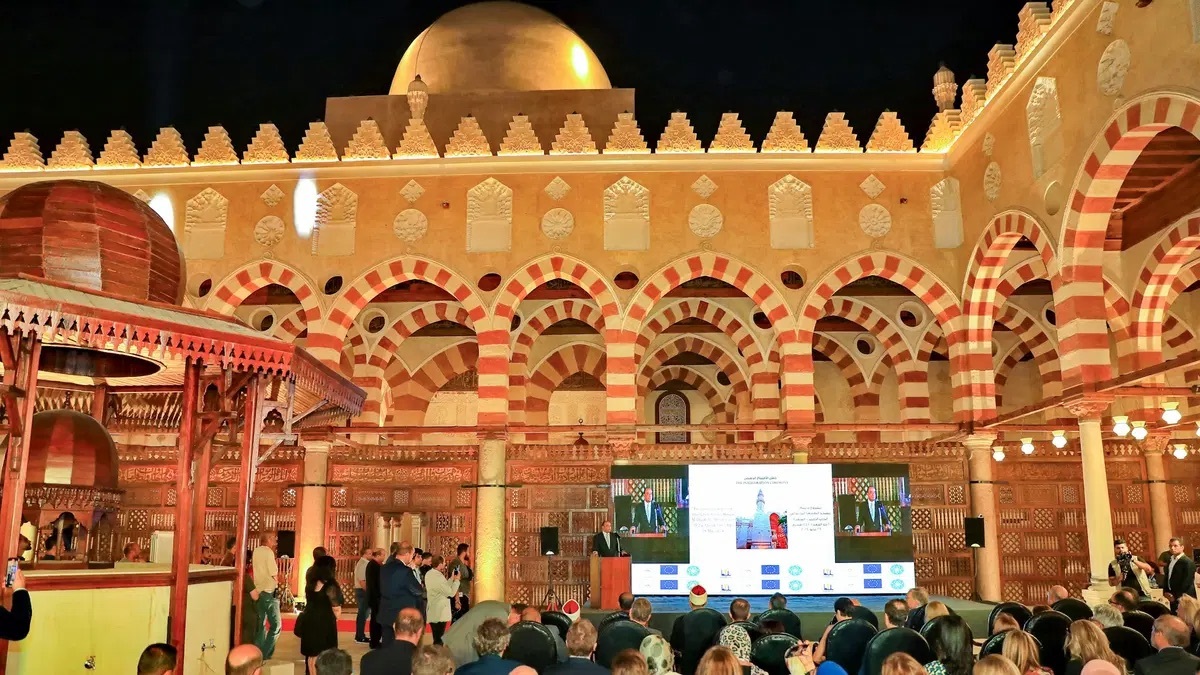
Where Egypt is concerned, AKDN has served millions of people. Its Agriculture and Food Security programme has benefitted some 6,000 farmers by introducing them to improved farming techniques. It supported civil society organisations to reach 422,000 people; its Early Childhood Development programme helped more than 8,000 children, and its Continuing Education Programme reached over 4,000 individuals. It undertook numerous restoration and conservation projects in historic areas, a prime example being the Maridani mosque. But perhaps the AKDN project most known on the popular level has been al-Azhar Park which was formerly a widespread garbage dump for 500 years, but was transformed into a stunningly beautiful green park that receives some 1.5 million visitors a year.
Lasting love
As to the Aga Khan Mausoleum in which Prince Karim Aga Khan was laid to rest, it was built by Begum Umm Habiba as a shrine for her husband Aga Khan III who had loved Aswan for its clement winter weather, and used to spend every winter there together with his wife. The mausoleum stands alone on a hilltop on the west bank of the Nile in Aswan, and can only be reached by boat. It is built of red granite and can be seen from afar; only a white villa belonging to the family can be seen at the foothill. The exceptional sight of the solitary mausoleum on the hill makes it one of Aswan’s most attractive sights.
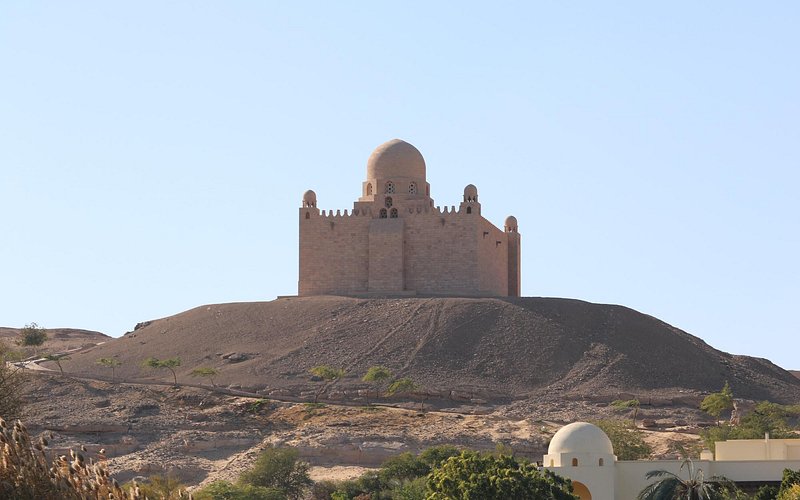
Begum Umm Habiba continued to visit Aswan every winter after her husband’s death, and used to visit the shrine every day and place a red rose there. She gave orders that even in her absence, the red rose should be placed there. When she died in 2000, she was buried with her husband. To Egyptians, Begum Umm Habiba became a well-loved figure of real life romance and lasting love.
Watani International
12 February 2025
Photos courtesy of AKDN