Editor in Chief
Youssef Sidhom
Watani
عربى English French
  • News
    • Accidents
    • Crime
    • Diplomatic briefcase
    • NewsLine
    • Outside Cairo
    • Special Occasions
  • Opinion
    • Editorial
    • International media
    • Reader`s Corner
    • Opinion
  • Politics
    • Elections
    • International Politics
    • Islamisation Politics
    • National Affairs
    • Parliament
    • Politics
    • Protests
    • Rights
    • Terrorism
  • Culture
    • Antiquity
    • Art
    • Books
    • Culture
    • Drama
    • Egyptology
    • Festivals
    • Films
    • Heritage
    • Islamisation Culture
    • Media
    • Museums
    • Music
    • TV
  • Coptic
    • Church Affairs
    • Coptic Affairs
    • Coptic Culture
    • Copts in the Media
    • Coptology
    • Copts Abroad
    • Religious
      • P. Shenouda: Bible Study
    • Sectarian
    • Inter-religious
    • Holy Family
  • Features
    • Counselling Corner
    • features
    • Economy
      • Business
    • Education
    • Social Issues
      • Behaviour
      • Mothers Day
    • Health
    • Environment
    • Humour
    • In memorial
    • Interviews
    • Nile
    • Profile
    • Special needs
    • Sports
    • Technology
    • Tourism
    • Wars
    • Women
    • Youth
  • Watani Special Features
    • Egypt – Arab Spring
      • 25 January Revolution
      • 25 Jan revolution, one year on
      • Egypt post-30 June
    • Watani Milestones
      • 20 years Watani International
      • 10 years Watani International
      • Watani Jubilee
    • Pope Shenouda
    • Pope Tawadros
    • Watani Forum
No Result
View All Result
  • News
    • Accidents
    • Crime
    • Diplomatic briefcase
    • NewsLine
    • Outside Cairo
    • Special Occasions
  • Opinion
    • Editorial
    • International media
    • Reader`s Corner
    • Opinion
  • Politics
    • Elections
    • International Politics
    • Islamisation Politics
    • National Affairs
    • Parliament
    • Politics
    • Protests
    • Rights
    • Terrorism
  • Culture
    • Antiquity
    • Art
    • Books
    • Culture
    • Drama
    • Egyptology
    • Festivals
    • Films
    • Heritage
    • Islamisation Culture
    • Media
    • Museums
    • Music
    • TV
  • Coptic
    • Church Affairs
    • Coptic Affairs
    • Coptic Culture
    • Copts in the Media
    • Coptology
    • Copts Abroad
    • Religious
      • P. Shenouda: Bible Study
    • Sectarian
    • Inter-religious
    • Holy Family
  • Features
    • Counselling Corner
    • features
    • Economy
      • Business
    • Education
    • Social Issues
      • Behaviour
      • Mothers Day
    • Health
    • Environment
    • Humour
    • In memorial
    • Interviews
    • Nile
    • Profile
    • Special needs
    • Sports
    • Technology
    • Tourism
    • Wars
    • Women
    • Youth
  • Watani Special Features
    • Egypt – Arab Spring
      • 25 January Revolution
      • 25 Jan revolution, one year on
      • Egypt post-30 June
    • Watani Milestones
      • 20 years Watani International
      • 10 years Watani International
      • Watani Jubilee
    • Pope Shenouda
    • Pope Tawadros
    • Watani Forum
No Result
View All Result
No Result
View All Result
Watani
ع Fr
ADVERTISEMENT

Watani talks to Mohamed Zarie

15 December, 2011 - (10:12 AM)
0 0

Hany Danial

Watani talks to Mohamed Zarie
30
VIEWS
Share on FacebookShare on Twitter

WATANI International
9 August 2009


The Arab Network for Tolerance (ANT) was founded on an initiative by a group of NGOs dismayed by the rise of extremism and violence in the Middle East. Watani discussed with Mohamed Zarie, human rights activist, head of the Arab Penal Reform Organisation and coordinator of the ANT, the factors behind the decline in tolerance in the region as well as the prospects for the human rights cause.


What are the purposes of the ANT?
The ANT was established upon an initiative by the Ramalla Centre for Human Rights in Palestine. It aims to combat all forms of violence and fanaticism, formal and popular alike. It seeks to spread a climate of tolerance, broaden the available margin of freedom of expression, investigate laws in Arab countries to see to what extent they are consistent with values of equality, and fight all forms of discrimination against women. The ANT includes human rights organisations from 16 countries, and the Arab Penal Reform Organisation was chosen to function as the ANT’s coordinator. It numbers among its members, academics, journalists, lawyers, and intellectuals.


What did the ANT do to enhance the status of human rights in the region?
Around 60 journalists have benefited form the training courses organised by the ANT. We plan to issue an annual report on human rights violations in the region. It should be noted that certain groups including Copts in Egypt, women and Bedouin suffer from discrimination more than others.


How do you explain the retreat of tolerance in Egypt and the Arab world?
Because some people believe that they grasp the absolute truth, a proposition that necessarily creates a distance with others who could be different in religion, sex or race. I believe the peoples of the region face the brunt of the current climate of tension and hostility. In case of Egypt, a plethora of factors stand behind the phenomenon of extremism: the absence of freedom of expression, the State’s reliance in the 1970s on Islamists in its battle with the secular opposition, then the fierce war between the State and militants. All these factors contributed to the creation of the ailments we suffer from today.


In your opinion, why does the Egyptian government insist on not passing the unified law of building places of worship?
The law should be promulgated as soon as possible, since it would boost equality, the prerequisite for any modern State. It has to be borne in mind that the aspired legislation would put a halt to the establishment of zawyas (small places with no minarets and used for performing prayers) that work independently from the Ministry of Endowments. These places pose a serious threat to national unity and peace given the poisonous ideas of hatred and division they usually promote.


Almost three years after the article on citizenship was introduced to the Egyptian Constitution, what is its eventual impact on the political scene?
It has resulted in little change with regard society’s values. Yet I believe that the move to enshrine the concept of citizenship in the Constitution was positive as it paves a way for realising full equality among all those who hold Egyptian nationality.


Don’t some people confine the question of citizenship rights to the relationship between Muslims and Copts?
Such a perspective is flawed, since the concept of citizenship is far more comprehensive than the Coptic question. It applies to the Bedouin of Sinai, Nubians, women, and the entire population entitled to enjoy rights of healthcare, education, and fulfilling basic needs


Why does the government not take serious measures to protect freedom of belief?
The government has to respect the international conventions on freedom of belief Egypt has signed. Everybody has the right to adopt whatever belief he or she wishes. The government should be guided by Western experiences in terms of protecting freedom of belief. Conversions should be dealt with smoothly, and converts from whichever religion to another should be granted formal documents registering their new status


For how long, do you foresee, will torture in Egyptian police stations continue?
Torture is practised systematically in this country. It is now perceived as a matter of “national security”, particularly where Islamic currents and political opponents are concerned. Policemen are instructed not to close any file without finding a defendant. The easiest way to meet this instruction is to torture a group of suspects in the hope that one of them will confess that he or she committed the crime. It is sorrowful that perpetrators of torture are rarely brought to justice.


Some human rights organisations accuse the National Council for Human Rights (NCHR) of siding with the Egyptian government.
The NCHR has a specific mandate: its role does not surpass that of advisor. It does not enjoy the authority to inspect police stations or places of detention. Neither is it entitled to involve in battles with the government. In sum, it has no prerogatives. But this fact is a double-edged sword, since a council with such weakness cannot be relied on to defend Egypt’s human rights record before international organisations.


Why does the NCHR hold a host of conferences in Egypt to discuss human rights conditions in other parts of the world while it ignores human rights violations in Egypt?
The reports released by NCHR approve what human rights groups claim about torture and other practices detrimental to freedom of expression. But the problem with the NCHR is that it does not exert the required effort to enhance human rights’ record, especially in areas related to the question of citizenship.


Do you believe human rights conditions in Egypt and the Arab World could change for the better?
Definitely, because when we started our activities in the 1980s the environment was much more hostile and we were not even able to hold our meetings in Egypt. The first conference was actually convened in Cyprus. Human rights activists still face difficulties including the typical accusation of being agents for foreign powers, simply because they receive foreign funds. But, on the whole, things are better than they were in the past and the NGOs working in human rights have solid credentials. Egypt and many Arab countries now have dozens of NGOs working in a variety of areas.


Comments

comments

Tags: MohamedtalksWataniZarie

Related Posts

Watani talks to Anba Bigol, Bishop and Abbot of al-Muharraq Monastery of the Holy Virgin Mary
Coptic Affairs

Watani talks to Anba Bigol, Bishop and Abbot of al-Muharraq Monastery of the Holy Virgin Mary

June 17, 2026
13 years talking to the Pope
Books

13 years talking to the Pope

December 10, 2025
Pope Tawadros: Challenges: enormous… Hope: far greater
Interviews

Pope Tawadros: Challenges: enormous… Hope: far greater

August 19, 2025
2025: Year of blessings 
Interviews

2025: Year of blessings 

August 13, 2025
Wagdy Habashy (1940 - 2024): A life “painted by the hand of the Lord”
Art

Wagdy Habashy (1940 – 2024): A life “painted by the hand of the Lord”

July 15, 2024
In parallel to COP27: Coptic Church’s BLESS effort
Environment

In parallel to COP27: Coptic Church’s BLESS effort

November 9, 2022

Editorial

China and Russia vis-à-vis Trump’s Iran War

More

MOST READ

Egypt attempts to contain Myna bird invasion
Environment

Egypt attempts to contain Myna bird invasion

June 15, 2026
0

The Nature Protection Sector of Egypt’s Ministry of Local Development and Environment has been monitoring and tracking the spread of...

Read more
Watani talks to Anba Bigol, Bishop and Abbot of al-Muharraq Monastery of the Holy Virgin Mary

Watani talks to Anba Bigol, Bishop and Abbot of al-Muharraq Monastery of the Holy Virgin Mary

June 17, 2026
Egypt’s Armenians

Egypt’s Armenians

April 22, 2015
‘Train of Hope’ to carry home 1,200 Sudanese

‘Train of Hope’ to carry home 1,200 Sudanese

June 16, 2026
Jobs for persons with disabilities

Jobs for persons with disabilities

June 15, 2026

Features

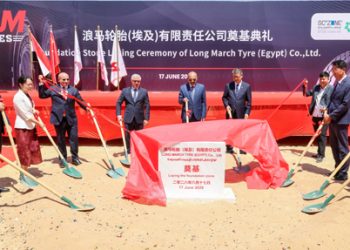
China’s Long March launches USD190M tyre manufacturing project in Egypt
Economy

China’s Long March launches USD190M tyre manufacturing project in Egypt

June 17, 2026
0

China’s Chaoyang Long March Tyre Co., Ltd. has launched a USD190 million tyre manufacturing project in Egypt’s Suez Canal Economic...

Read more
Watani started as an Egyptian weekly Sunday newspaper published in Cairo. The word Watani is Arabic for “My Homeland”. The paper was founded in 1958 by the prominent Copt Antoun Sidhom (1915 – 1995), who strove for the establishment of a civil, democratic society in Egypt, where all Egyptians would enjoy full citizenship rights regardless of their religious denomination. To this day when Watani is published as a weekly paper and an online news site, the objective remains the same. Those in charge of Watani view this role as a patriotic all-Egyptian vocation. Special attention is given to shedding light on Coptic culture and tradition as authentically Egyptian, this being a topic largely disregarded or little-understood by Egypt’s media. Watani is deeply dedicated to offer its readers high quality, extensive, objective, credible and well-researched media coverage, with special focus on Coptic issues, culture, heritage, and contribution to Egyptian society.
-----------------------------------------------------------

27 Abdel Khalek Tharwat st, Downtown, Abdeen,Cairo

00202-23927201

00202-23935946

 [email protected]


categories

  • News
  • Opinion
  • Politics
  • Culture
  • Egypt – Arab Spring
  • Coptic Affairs
  • Features
  • Watani Special Features

Recent Posts

  • China and Russia vis-à-vis Trump’s Iran War
  • China’s Long March launches USD190M tyre manufacturing project in Egypt
  • Watani talks to Anba Bigol, Bishop and Abbot of al-Muharraq Monastery of the Holy Virgin Mary
  • ‘Train of Hope’ to carry home 1,200 Sudanese
  • Egypt launches ROX Motor partnership to manufacture new-energy vehicles
  • News
  • Opinion
  • Politics
  • Culture
  • Egypt – Arab Spring
  • Coptic Affairs
  • Features
  • Watani Special Features

Powered BY 3A Digital.

No Result
View All Result
  • News
    • Accidents
    • Crime
    • Diplomatic briefcase
    • NewsLine
    • Outside Cairo
    • Special Occasions
  • Opinion
    • Editorial
    • International media
    • Reader`s Corner
    • Opinion
  • Politics
    • Elections
    • International Politics
    • Islamisation Politics
    • National Affairs
    • Parliament
    • Politics
    • Protests
    • Rights
    • Terrorism
  • Culture
    • Antiquity
    • Art
    • Books
    • Culture
    • Drama
    • Egyptology
    • Festivals
    • Films
    • Heritage
    • Islamisation Culture
    • Media
    • Museums
    • Music
    • TV
  • Coptic
    • Church Affairs
    • Coptic Affairs
    • Coptic Culture
    • Copts in the Media
    • Coptology
    • Copts Abroad
    • Religious
      • P. Shenouda: Bible Study
    • Sectarian
    • Inter-religious
    • Holy Family
  • Features
    • Counselling Corner
    • features
    • Economy
      • Business
    • Education
    • Social Issues
      • Behaviour
      • Mothers Day
    • Health
    • Environment
    • Humour
    • In memorial
    • Interviews
    • Nile
    • Profile
    • Special needs
    • Sports
    • Technology
    • Tourism
    • Wars
    • Women
    • Youth
  • Watani Special Features
    • Egypt – Arab Spring
      • 25 January Revolution
      • 25 Jan revolution, one year on
      • Egypt post-30 June
    • Watani Milestones
      • 20 years Watani International
      • 10 years Watani International
      • Watani Jubilee
    • Pope Shenouda
    • Pope Tawadros
    • Watani Forum

Powered BY 3A Digital.

Login to your account below

Forgotten Password?

Fill the forms bellow to register

All fields are required. Log In

Retrieve your password

Please enter your username or email address to reset your password.

Log In