
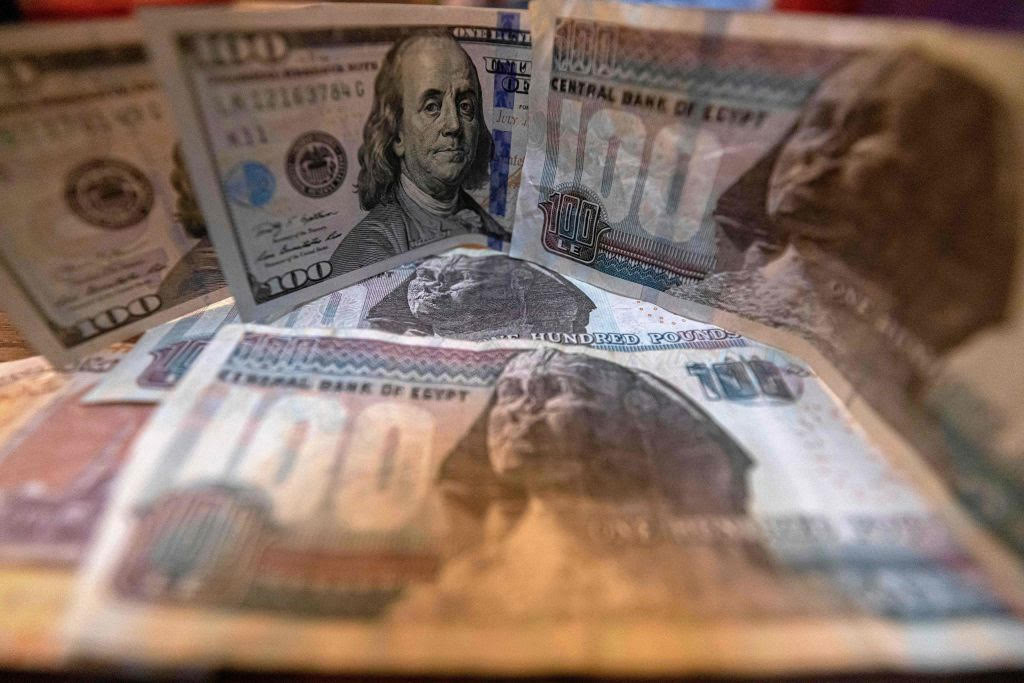
“Egypt will not advance until it breaks the pound / dollar gap”. These words, which sum up the problems created by the ever-widening gap in value of the Egyptian pound versus the US dollar, were said by President Abdel-Fattah al-Sisi last June during the National Youth Conference in Alexandria. The President was alluding to the sharp devaluation of the EGP, and the discrepancy in exchange rate of the EGP against the dollar in banks against a thriving black market. The crisis emerged and escalated for a variety of reasons, but may be summed up by the fact that Egypt suffers a huge dollar shortage; its need for dollars is not matched by its ability to create a regular supply of them.
Costly imports
Yet the Egyptian economy had been thriving up until the Ukraine war that erupted in February 2022. Even during the Covid years of 2020 and 2021, Egypt’s economy had registered reasonable growth, as testified by the International Monetary Fund (IMF) in its 2021 report which said that, despite severe damage to the global economy on account of coronavirus pandemic, Egypt was among the few developing markets that continued to grow. So what happened to bring this economy down once the war erupted? True, the Ukrainian war triggered a global economic fallout that had the effect of inflicting direct harm on the Egyptian economy, but it also worked to expose basic flaws in the economy that had been masked by the pre-war relative prosperity.
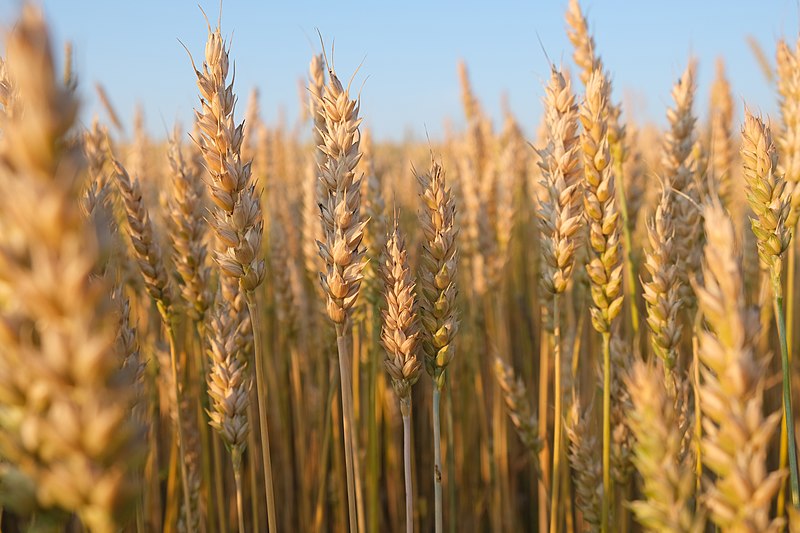
The first direct hit to Egypt came in the form of disruption in global supply chains. Given that Egypt is a net importer of basic commodities and production inputs, the effect was severe. Egypt’s wheat imports are among the largest in the world; before the war, Egypt used to import 42 per cent of its demand of wheat from Russia and Ukraine. It also used to receive 31 per cent of its tourist inflow from the two countries. The war deprived Egypt of the Russian and Ukrainian tourist revenue, and forced Egypt to look elsewhere for wheat imports that cost a lot more. Even though the country’s local wheat production rose 20 per cent in 2021/2022, and is expected to rise again to cover 65 per cent of its needs in 2024, the cost of importing wheat is still a large burden on the budget.
Dollar crunch
In March 2022, the US Federal Reserve raised interest rates for the first time since 2018; this was followed by repeated interest rate rises during 2022 and 2023. Egyptian markets saw a flight of hot money in pursuit of USD investment; this had grim consequences on the Egyptian economy. The dollar crunch set in.
With less dollars on the market, Egypt’s capacity to meet its import needs of basic commodities and industrial inputs was highly curtailed. It did not help that the cost of imports had steeply climbed owing to the disruption of supply chains. Inflation steadily rose to alarming levels: from an annual 5.5 per cent in 2021 to 35.7 per cent in June 2023.
In March 2022 the Central Bank of Egypt (CBE) moved to restrict imports by tightening the foreign currency supply to importers, but this move only worked to the adverse; it crippled local production because of lack of imported inputs. Prices rose owing to market shortages, and the dollar price spiralled. Yet the shortage in dollar supply persisted. A two-tier exchange rate emerged: a black market today sees the pound priced at around EGP38 – 39 per dollar, while the banks price it at around EGP30.7 per dollar. In February 2022 when the Ukraine war erupted, that rate had stood at around EGP15.7 to the dollar.
Flawed economic system
It became obvious that Egypt’s troubles owed to more than the outside factors of flight of hot money and rising interest rates on the USD. Egypt was not generating sufficient dollar revenue to cover its import needs owing to additional factors strictly pertaining to flaws in its economic system. And these flaws had to be corrected in order for the country to overcome the crisis. Investment, exports, and tourism had to rise, and innovative financial solutions had to be sought. Serious official efforts were exerted in these directions.
Tourism growth
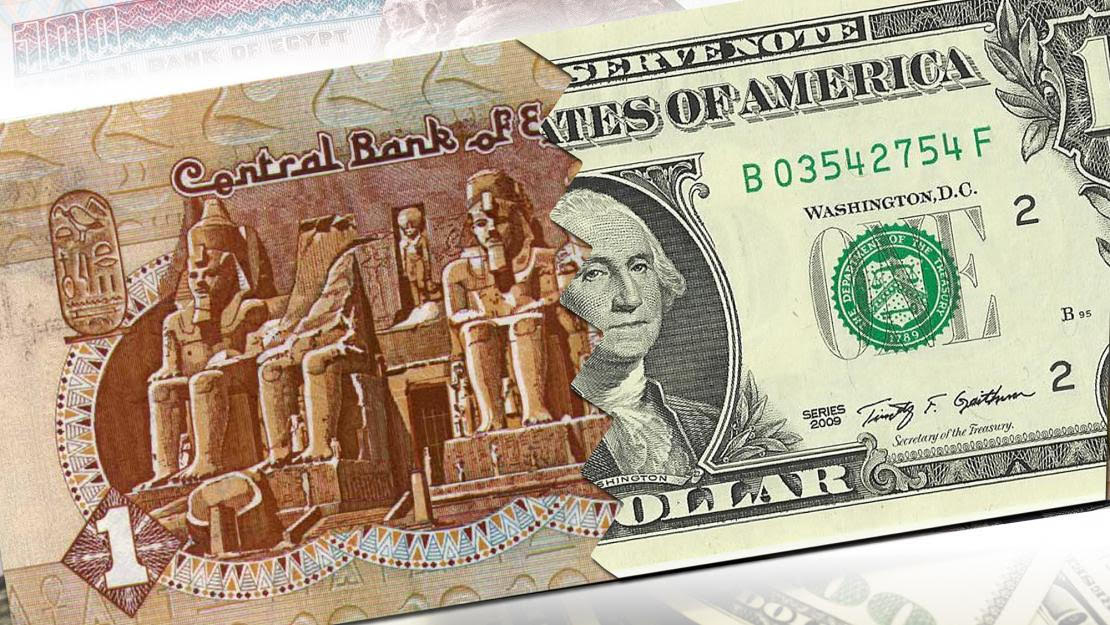
Efforts to revitalise the tourism sector brought in auspicious results. Tourism rose to unprecedented levels; in April 2023, Tourism Minister Ahmed Issa announced that Egypt had received the largest number of tourists in its history, citing some 1.35 million visitors to Egypt in April. He anticipated that by yearend 2023, Egypt would have received some 15 million tourists throughout the year. Fitch Solutions declared that more numbers of tourists were expected in Egypt until 2027, at an average growth rate of 5.4 per cent, and that the revenue from tourism would reach some USD17.4 billion in 2027.
Currencies other than the dollar
Financial attempts to overcome the dollar crunch included Egyptian agreements to bypass the dollar as a trade currency whenever that was possible. Egypt was able to pay for Russian grain and other goods in EGP, also for some goods coming from China. Such measures were made possible through strategic talks with BRICS’s (Brazil, Russia, India, China, South Africa) New Development Bank. The move to pay for imports in EGP was commended by Ali Eissa, Head of the Egyptian Businessmen’s Association, who said it made it possible for Egypt to import Russian grain in EGP, as well as a plethora of other commodities, without having to secure dollar supply.
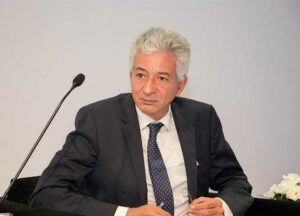
Secretary-General of the Association of the Federation of Egyptian Chambers of Commerce, Alaa Ezz, said that dealing in rubles and EGP made it easier to offer and to obtain competitive prices while trading with Russia; among other commodities, Egypt imports oils and nutritional goods from Russia, and exports to it agricultural goods and chemicals. Mr Ezz said that talks are ongoing with China and other BRICS countries to deal in local currencies. For Egypt, Brazil and Argentina are among the biggest suppliers of meat, poultry, corn, and soya; all of which Egypt needs in steady supply.
Dollar investment certificates
Arab investors had pumped in some USD13 billion into Egypt during the first quarter of 2022 and, in November 2022 Egypt secured a USD3 billion loan from the IMF.
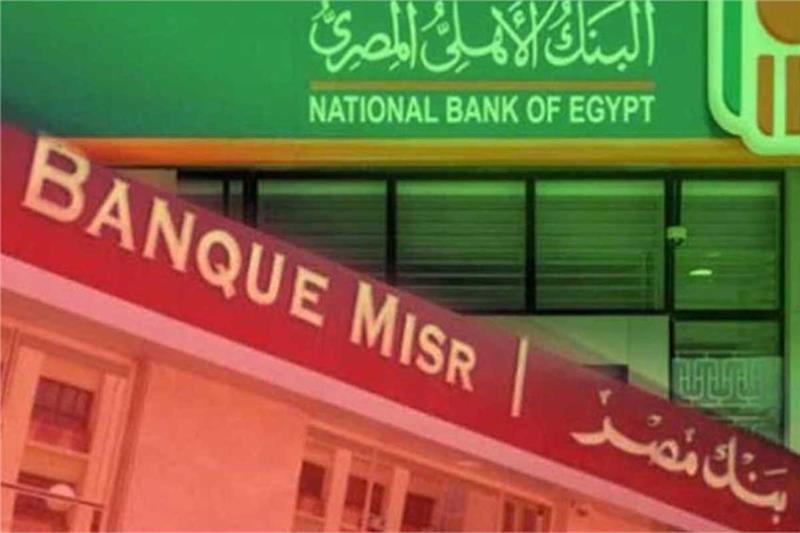
On another front, Egypt’s two largest national banks, the National Bank of Egypt and Banque Misr, have been selling since 26 July three-year investment certificates in dollars that pay annual interest of 7 per cent if the interest is paid quarterly, and 9 per cent if paid annually. This had the effect of reducing the dollar vs the EGP in the black market, but the CBE’s decision on 3 August to raise interest rates 1 per cent led to expectations by traders that the CBE might devaluate the EGP, so the dollar rose again on the black market.
Government pullout
The government decided to pull out of a number of thriving businesses it owned, putting these businesses up for private ownership. This would serve the double purpose of bringing in direly needed foreign currency, and ensuring fair competition on the market, which would encourage investment. Investors had long complained about the unfair competition with State-owned businesses that benefitted from an array of benefits and exemptions of which the private sector was deprived, driving many privately owned businesses out of the market
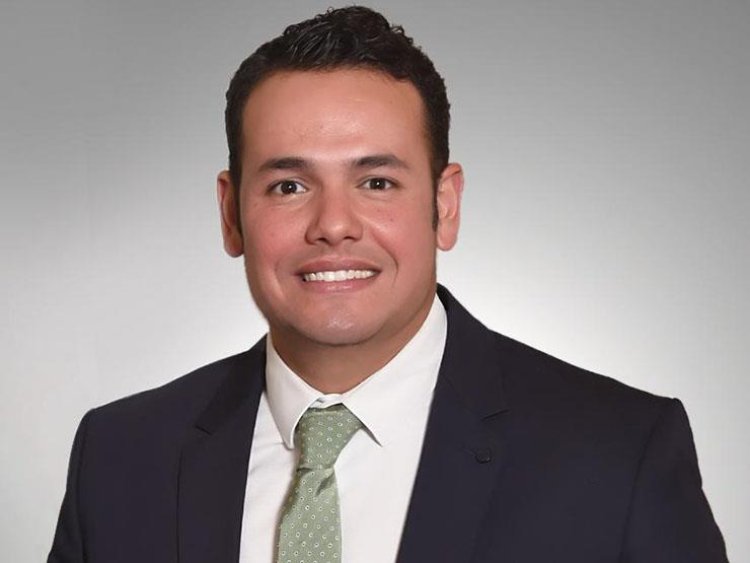
Osama al-Gohari, aide to Prime Minister Mostafa Madbouly, explained that a system was drawn for government pull-out from various enterprises and projects. This should act, he said, as a message of reassurance to local investors, and an attraction for foreign ones. It should serve to increase confidence in State organisations and in government policies that would empower the private sector and regulate governmental activity on the economic front, restricting it to projects of strategic or social dimensions. For his part, PM Madbouly said that broadening the base of ownership of currently State-owned companies was a matter of urgent priority; the goal is to reach 65 per cent private sector ownership.
So far, however, privatisation efforts were severely curtailed by the two-tier dollar price; whereas the government used the official exchange rate, prospective buyers saw that many of the businesses up for sale were overpriced, given the black market exchange rate that priced the dollar some 30 per cent higher.
Economic capsule
So the dire fact is that, despite all efforts, the dollar crunch persists and Egypt’s economic woes continue. And the question begging an answer is: What can be done?
Interestingly, economist Hany Tawfik posted on his Facebook page what he called an “economic capsule” or prescription for Egypt to emerge out of the crisis. He wrote that, in the short term, Egypt should seek to turn its short term loans into long term ones through a dollar sinking fund. It should resort to securitisation by issuing long term bonds to the tune of USD70 billion at 8 – 10 per cent interest rate.
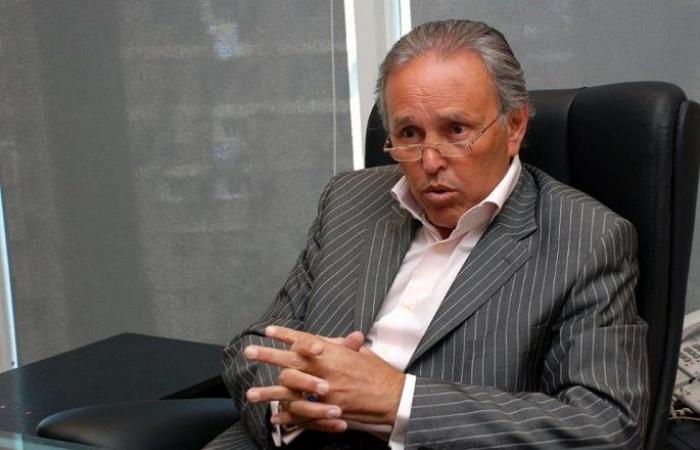
In the medium to long term, Egypt’s President should himself declare the full withdrawal of all State apparatuses, economic authorities and government special funds from all non-strategic economic activity by end of December 2023.
In addition, Mr Tawfik suggested the implementation of structural reforms in the entire economic system: fiscal, tax, and fees policies the values of which reach a staggering 65 per cent of revenues, and which work to obstruct and hinder investment. The investment climate should be ameliorated through putting an end to administrative corruption, uncalled-for bureaucratic costs, and red tape that sometimes requires approvals of more than 20 governmental bodies for a single project.
“If all the above is done in parallel,” Mr Tawfik wrote, “the EGP-dollar rate will balance at a fair price, the black market will disappear, and local and foreign investment will flow into Egypt.”
Watani International
9 August 2023