
Editor in Chief
Youssef Sidhom
Watani
عربى English French
  • News
    • Accidents
    • Crime
    • Diplomatic briefcase
    • NewsLine
    • Outside Cairo
    • Special Occasions
  • Opinion
    • Editorial
    • International media
    • Reader`s Corner
    • Opinion
  • Politics
    • Elections
    • International Politics
    • Islamisation Politics
    • National Affairs
    • Parliament
    • Politics
    • Protests
    • Rights
    • Terrorism
  • Culture
    • Antiquity
    • Art
    • Books
    • Culture
    • Drama
    • Egyptology
    • Festivals
    • Films
    • Heritage
    • Islamisation Culture
    • Media
    • Museums
    • Music
    • TV
  • Coptic
    • Church Affairs
    • Coptic Affairs
    • Coptic Culture
    • Copts in the Media
    • Coptology
    • Copts Abroad
    • Religious
      • P. Shenouda: Bible Study
    • Sectarian
    • Inter-religious
    • Holy Family
  • Features
    • Counselling Corner
    • features
    • Economy
      • Business
    • Education
    • Social Issues
      • Behaviour
      • Mothers Day
    • Health
    • Environment
    • Humour
    • In memorial
    • Interviews
    • Nile
    • Profile
    • Special needs
    • Sports
    • Technology
    • Tourism
    • Wars
    • Women
    • Youth
  • Watani Special Features
    • Egypt – Arab Spring
      • 25 January Revolution
      • 25 Jan revolution, one year on
      • Egypt post-30 June
    • Watani Milestones
      • 20 years Watani International
      • 10 years Watani International
      • Watani Jubilee
    • Pope Shenouda
    • Pope Tawadros
    • Watani Forum
No Result
View All Result
  • News
    • Accidents
    • Crime
    • Diplomatic briefcase
    • NewsLine
    • Outside Cairo
    • Special Occasions
  • Opinion
    • Editorial
    • International media
    • Reader`s Corner
    • Opinion
  • Politics
    • Elections
    • International Politics
    • Islamisation Politics
    • National Affairs
    • Parliament
    • Politics
    • Protests
    • Rights
    • Terrorism
  • Culture
    • Antiquity
    • Art
    • Books
    • Culture
    • Drama
    • Egyptology
    • Festivals
    • Films
    • Heritage
    • Islamisation Culture
    • Media
    • Museums
    • Music
    • TV
  • Coptic
    • Church Affairs
    • Coptic Affairs
    • Coptic Culture
    • Copts in the Media
    • Coptology
    • Copts Abroad
    • Religious
      • P. Shenouda: Bible Study
    • Sectarian
    • Inter-religious
    • Holy Family
  • Features
    • Counselling Corner
    • features
    • Economy
      • Business
    • Education
    • Social Issues
      • Behaviour
      • Mothers Day
    • Health
    • Environment
    • Humour
    • In memorial
    • Interviews
    • Nile
    • Profile
    • Special needs
    • Sports
    • Technology
    • Tourism
    • Wars
    • Women
    • Youth
  • Watani Special Features
    • Egypt – Arab Spring
      • 25 January Revolution
      • 25 Jan revolution, one year on
      • Egypt post-30 June
    • Watani Milestones
      • 20 years Watani International
      • 10 years Watani International
      • Watani Jubilee
    • Pope Shenouda
    • Pope Tawadros
    • Watani Forum
No Result
View All Result
No Result
View All Result
Watani
ع Fr
ADVERTISEMENT

Principles to govern the constitution

15 December, 2011 - (9:07 AM)
0 0

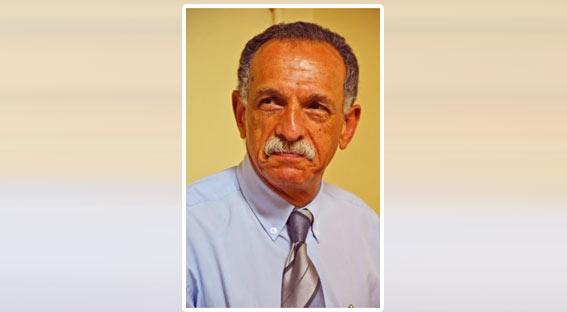
Youssef Sidhom

15
VIEWS
Share on FacebookShare on Twitter

WATANI International
31 July 2011


The ruling Supreme Council of the Armed Forces (SCAF) recently declared that principles should be instated to govern the writing of a new constitution for Egypt. The SCAF made it very clear that it would not itself instate these principles but would decree the basis upon which the constituent assembly charged with writing the constitution would be formed. Notwithstanding, proposals for principles that would govern the drafting of a new Egyptian constitution have been inundating the public landscape, suggested by prominent political figures and various groups, and triggering heated debate across the Egyptian political divide. The situation proves that, contrary to claims by pundits and politicians, drafting the constitution ahead of holding parliamentary elections would not necessarily lead to a stable transitional period, but may generate a political tsunami that would imperil the entire nation.
Arguments raised by advocates of “the constitution first” are clear: drafting the new constitution should not be monopolised by the single political current which wins the majority in the upcoming parliament. The public in its entirety should be represented in this process since the constitution must express a national consensus. Principles of the constitution should preserve the rights of the various national groups and respect their distinctive characters regardless of the electoral gains any group might achieve. The constitution should in no way reflect the ambitions of the winner, otherwise states would change their constitutions in accordance with electoral results. The constitution is superior to the viewpoints of the various national components, since it establishes the principles that preserve the rights of the whole nation and prevents the marginalisation of minorities and the violation of their rights.
Outlining principles to govern the new constitution is thus a necessary measure to assure minorities and vulnerable groups that they will not pay the price for their relatively limited weight; they will not be excluded from the process of drafting the constitution; and they will not sustain discriminative laws.
Vociferous opponents of “the constitution first”, who use misleading albeit bright-looking arguments, ought to reconsider if they are sincere in achieving national consensus and preserving the interests of all Egyptians. The stress that the constitution should be outlined by the people—and nobody but the people—is no more than hollow rhetoric that aims to play on the sentiments of the masses and forge their awareness. Constitutions in modern history were never drafted by the masses. It was the philosophers, pundits and scholars who form the intellectual elite who undertook the mission of drafting constitutions. They spared no effort to translate the aspirations of the people into principles protecting rights and securing equality, taking good care not to disregard minorities. This elite, whether it consists of constitutional scholars or judges, has nothing to do with legislative bodies or ballot boxes, but hold the superior responsibility of setting the principles that guide legislators.
If we are to concede to “elections first”, there should be principles in place to govern the selection of the constituent assembly that would later draft the constitution. The winners in the upcoming parliamentary elections might, obviously, not possess the qualifications or experience needed to undertake this task. It is thus helpful that groups of experts are now outlining visions of governing—or guiding—principles for the new constitution. The outcome would in all probability lead to a constitution representative of the whole population. It would also be dismissive of the demagogues who claim that ‘governing principles’ would circumvent the will of the people and confiscate their right to draft their own constitution. Such arguments are intended to cater to the revolutionaries, but those who raise these arguments do not dare ask the revolutionaries to formulate the constitution or its governing principles since they know the revolutionaries lack the experience and qualifications needed for this task. They thus plan to get the public privilege of outlining the constitution on behalf of the revolutionaries while in fact hijacking the process to their own account.
Given these dynamics, the door ought to be left open to any group, party, or coalition to formulate its specific vision regarding the principles to govern the Egyptian constitution. These would merely act as guiding principles to be taken into account when drafting the constitution. There is no room here for so-called supra-constitutional principles, because there exists no principle that is above the constitution. But the governing principles include the minimum to protect different groups and guarantee that future legislation would not violate the rights of any, however small in number or insignificant in political weight.
Governments are temporary in nature. They might tilt the balance in favour of this or that force or current. But constitutions are permanent documents designed to protect the rights of all in the nation.   


Comments

comments

Tags: Constitutiongovernprinciples

Related Posts

Youssef Sidhom
Editorial

China and Russia vis-à-vis Trump’s Iran War

June 19, 2026
Youssef Sidhom
Editorial

Six months on approval of legality of 29th batch of churches: 30th batch approved

June 14, 2026
Youssef Sidhom
Editorial

US / Israel intransigence in Iran war: What do they gain?

June 5, 2026
Editorial

Iran war: Looming economic crisis

May 29, 2026
Youssef Sidhom
Editorial

Trump in Beijing: No cards to bargain

May 22, 2026
Youssef Sidhom
Editorial

Russia, Iran, China: Emerging triangle of power 

May 15, 2026

Editorial

China and Russia vis-à-vis Trump’s Iran War

More

MOST READ

Egypt attempts to contain Myna bird invasion
Environment

Egypt attempts to contain Myna bird invasion

June 15, 2026
0

The Nature Protection Sector of Egypt’s Ministry of Local Development and Environment has been monitoring and tracking the spread of...

Read more
Watani talks to Anba Bigol, Bishop and Abbot of al-Muharraq Monastery of the Holy Virgin Mary

Watani talks to Anba Bigol, Bishop and Abbot of al-Muharraq Monastery of the Holy Virgin Mary

June 17, 2026
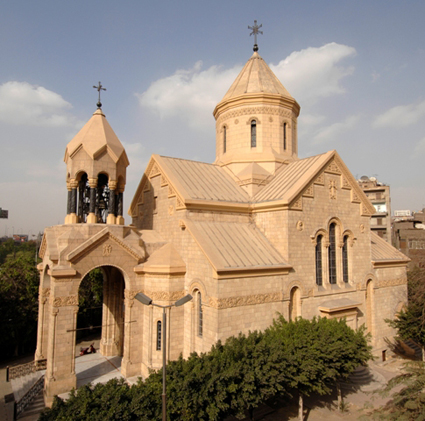
Egypt’s Armenians

Egypt’s Armenians

April 22, 2015
‘Train of Hope’ to carry home 1,200 Sudanese

‘Train of Hope’ to carry home 1,200 Sudanese

June 16, 2026
Jobs for persons with disabilities

Jobs for persons with disabilities

June 15, 2026

Features

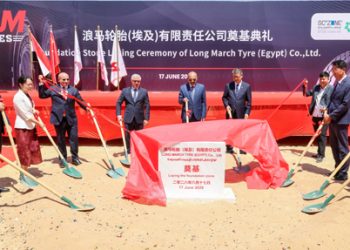
China’s Long March launches USD190M tyre manufacturing project in Egypt
Economy

China’s Long March launches USD190M tyre manufacturing project in Egypt

June 17, 2026
0

China’s Chaoyang Long March Tyre Co., Ltd. has launched a USD190 million tyre manufacturing project in Egypt’s Suez Canal Economic...

Read more
Watani started as an Egyptian weekly Sunday newspaper published in Cairo. The word Watani is Arabic for “My Homeland”. The paper was founded in 1958 by the prominent Copt Antoun Sidhom (1915 – 1995), who strove for the establishment of a civil, democratic society in Egypt, where all Egyptians would enjoy full citizenship rights regardless of their religious denomination. To this day when Watani is published as a weekly paper and an online news site, the objective remains the same. Those in charge of Watani view this role as a patriotic all-Egyptian vocation. Special attention is given to shedding light on Coptic culture and tradition as authentically Egyptian, this being a topic largely disregarded or little-understood by Egypt’s media. Watani is deeply dedicated to offer its readers high quality, extensive, objective, credible and well-researched media coverage, with special focus on Coptic issues, culture, heritage, and contribution to Egyptian society.
-----------------------------------------------------------

27 Abdel Khalek Tharwat st, Downtown, Abdeen,Cairo

00202-23927201

00202-23935946

 [email protected]


categories

  • News
  • Opinion
  • Politics
  • Culture
  • Egypt – Arab Spring
  • Coptic Affairs
  • Features
  • Watani Special Features

Recent Posts

  • China and Russia vis-à-vis Trump’s Iran War
  • China’s Long March launches USD190M tyre manufacturing project in Egypt
  • Watani talks to Anba Bigol, Bishop and Abbot of al-Muharraq Monastery of the Holy Virgin Mary
  • ‘Train of Hope’ to carry home 1,200 Sudanese
  • Egypt launches ROX Motor partnership to manufacture new-energy vehicles
  • News
  • Opinion
  • Politics
  • Culture
  • Egypt – Arab Spring
  • Coptic Affairs
  • Features
  • Watani Special Features

Powered BY 3A Digital.

No Result
View All Result
  • News
    • Accidents
    • Crime
    • Diplomatic briefcase
    • NewsLine
    • Outside Cairo
    • Special Occasions
  • Opinion
    • Editorial
    • International media
    • Reader`s Corner
    • Opinion
  • Politics
    • Elections
    • International Politics
    • Islamisation Politics
    • National Affairs
    • Parliament
    • Politics
    • Protests
    • Rights
    • Terrorism
  • Culture
    • Antiquity
    • Art
    • Books
    • Culture
    • Drama
    • Egyptology
    • Festivals
    • Films
    • Heritage
    • Islamisation Culture
    • Media
    • Museums
    • Music
    • TV
  • Coptic
    • Church Affairs
    • Coptic Affairs
    • Coptic Culture
    • Copts in the Media
    • Coptology
    • Copts Abroad
    • Religious
      • P. Shenouda: Bible Study
    • Sectarian
    • Inter-religious
    • Holy Family
  • Features
    • Counselling Corner
    • features
    • Economy
      • Business
    • Education
    • Social Issues
      • Behaviour
      • Mothers Day
    • Health
    • Environment
    • Humour
    • In memorial
    • Interviews
    • Nile
    • Profile
    • Special needs
    • Sports
    • Technology
    • Tourism
    • Wars
    • Women
    • Youth
  • Watani Special Features
    • Egypt – Arab Spring
      • 25 January Revolution
      • 25 Jan revolution, one year on
      • Egypt post-30 June
    • Watani Milestones
      • 20 years Watani International
      • 10 years Watani International
      • Watani Jubilee
    • Pope Shenouda
    • Pope Tawadros
    • Watani Forum

Powered BY 3A Digital.

Login to your account below

Forgotten Password?

Fill the forms bellow to register

All fields are required. Log In

Retrieve your password

Please enter your username or email address to reset your password.

Log In