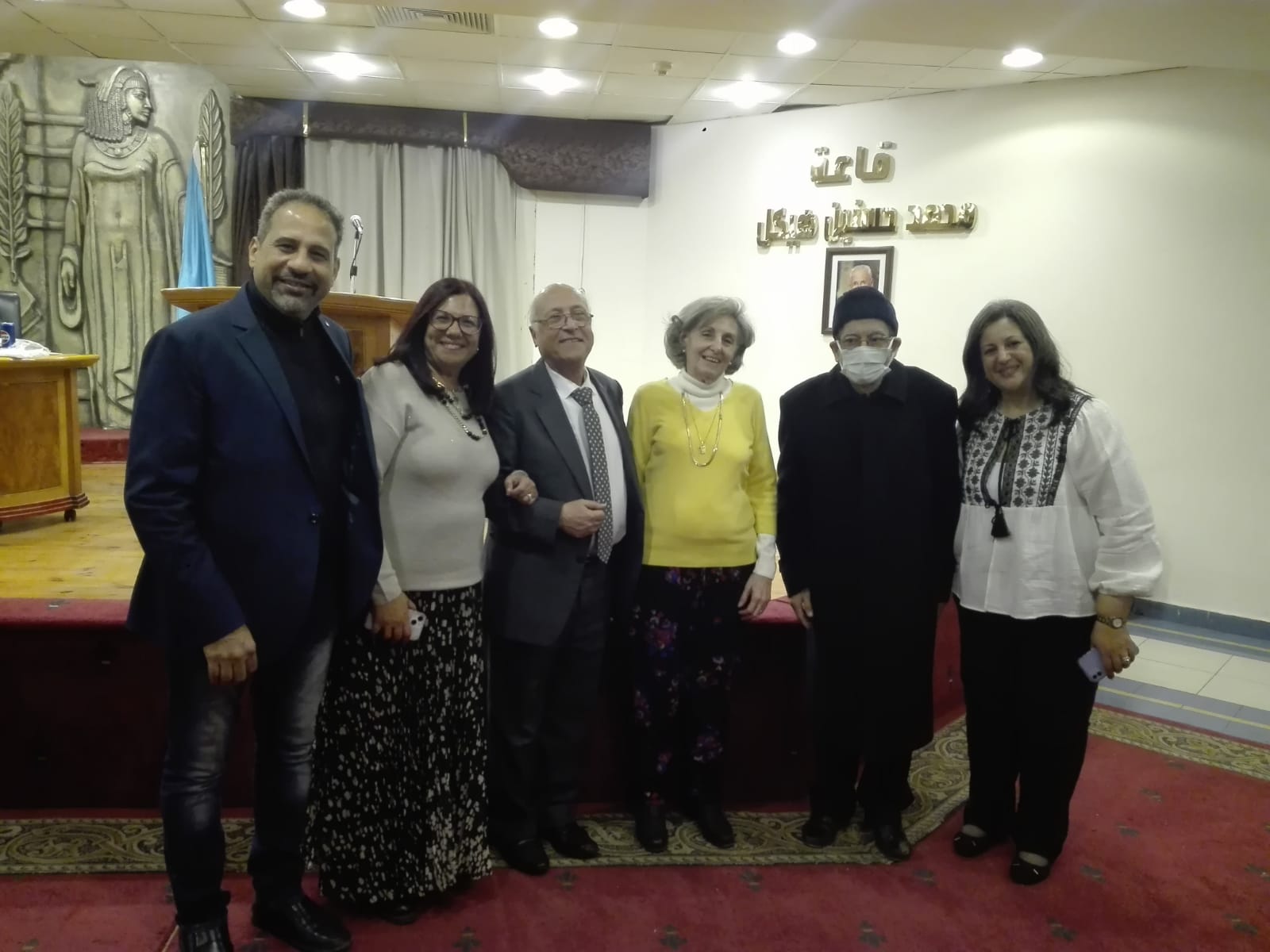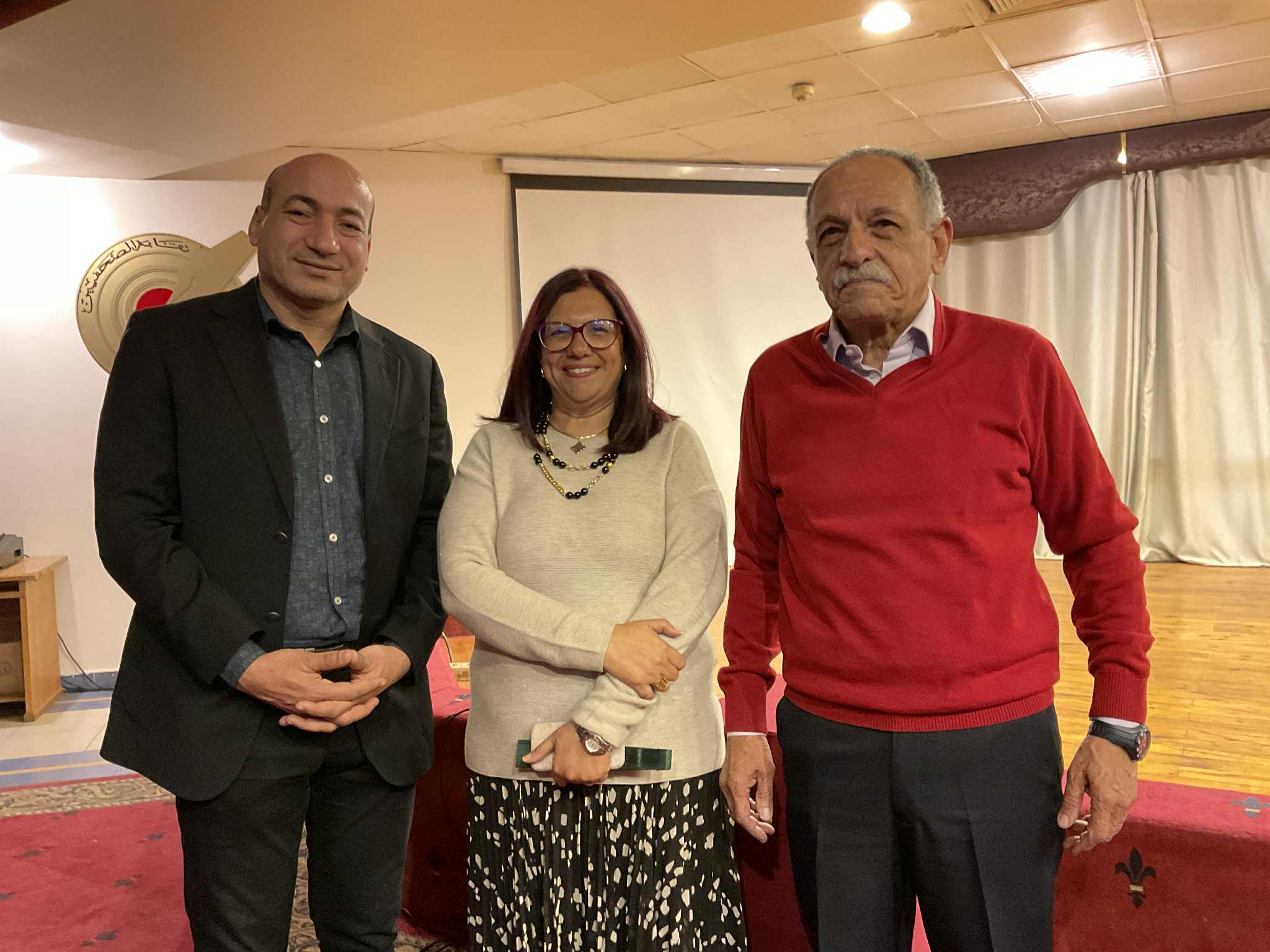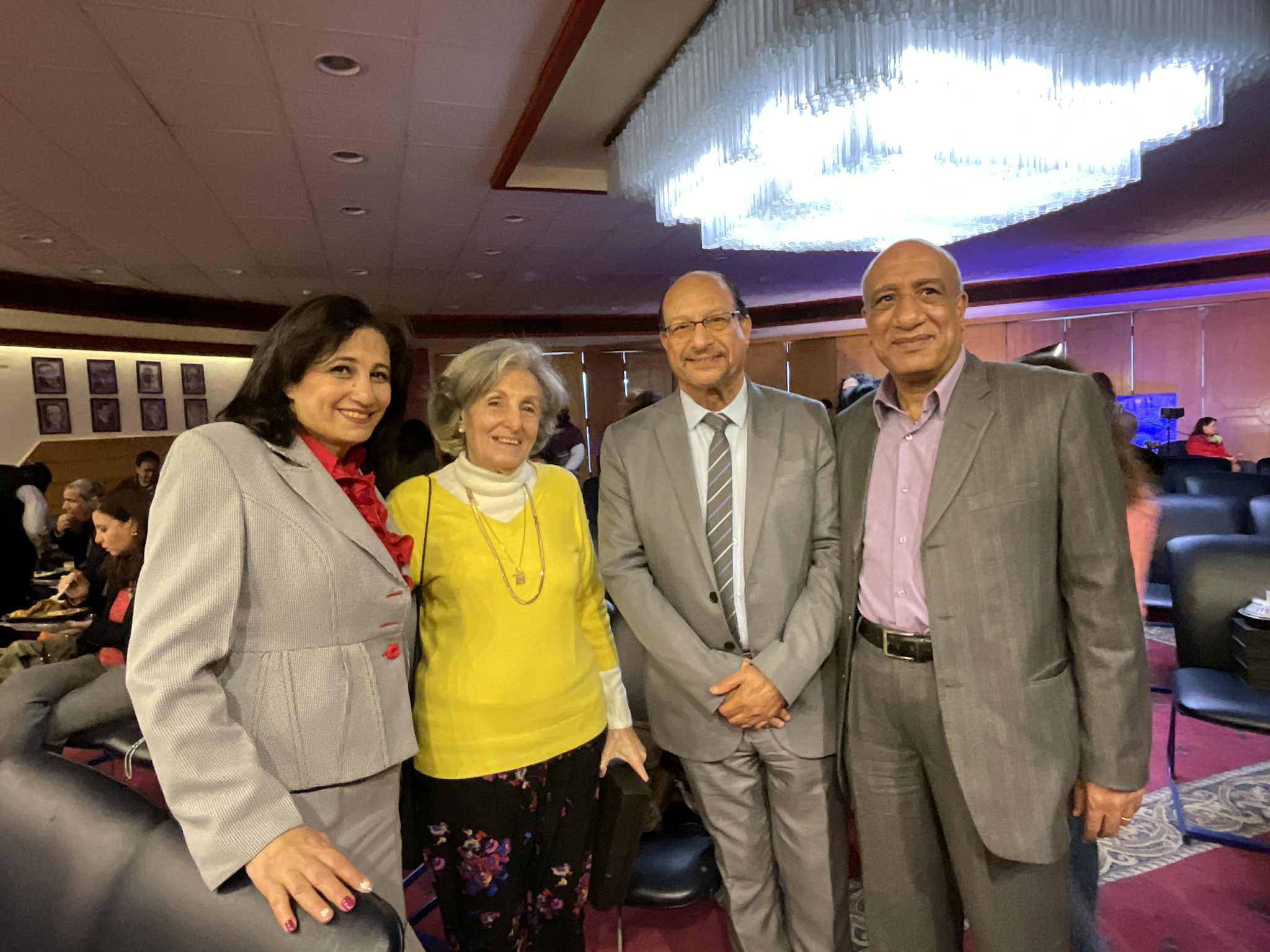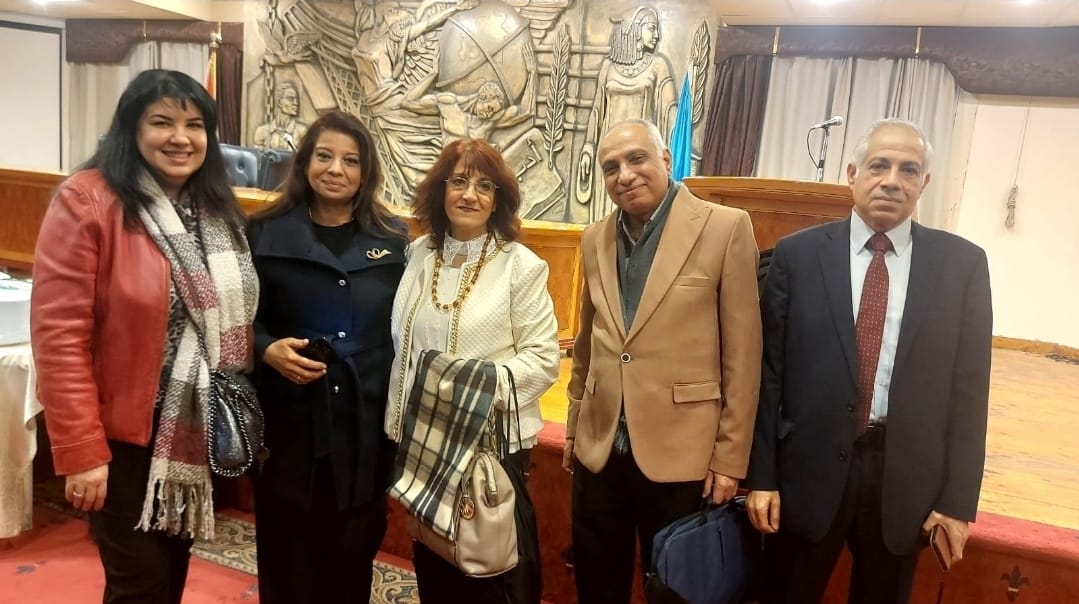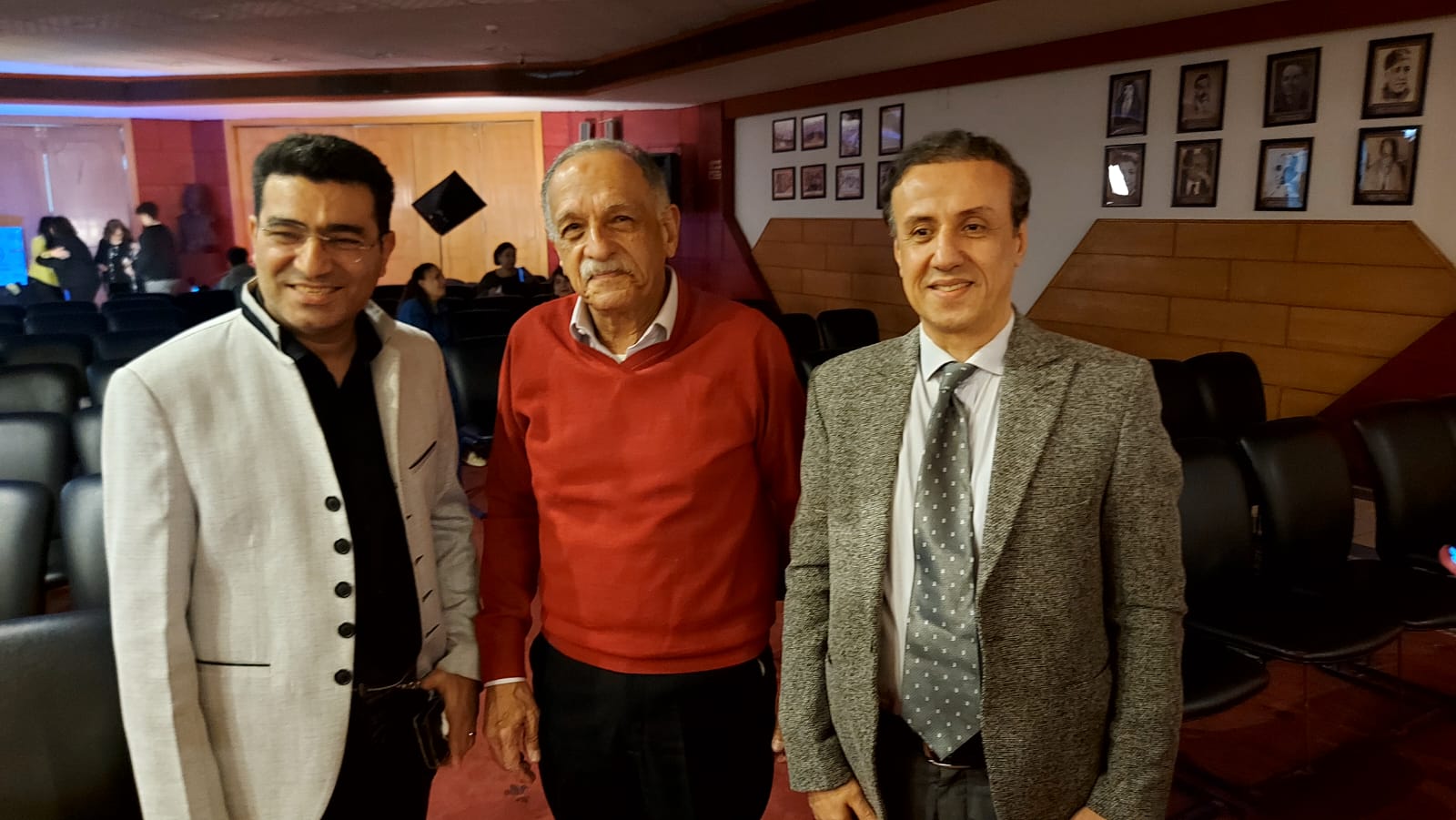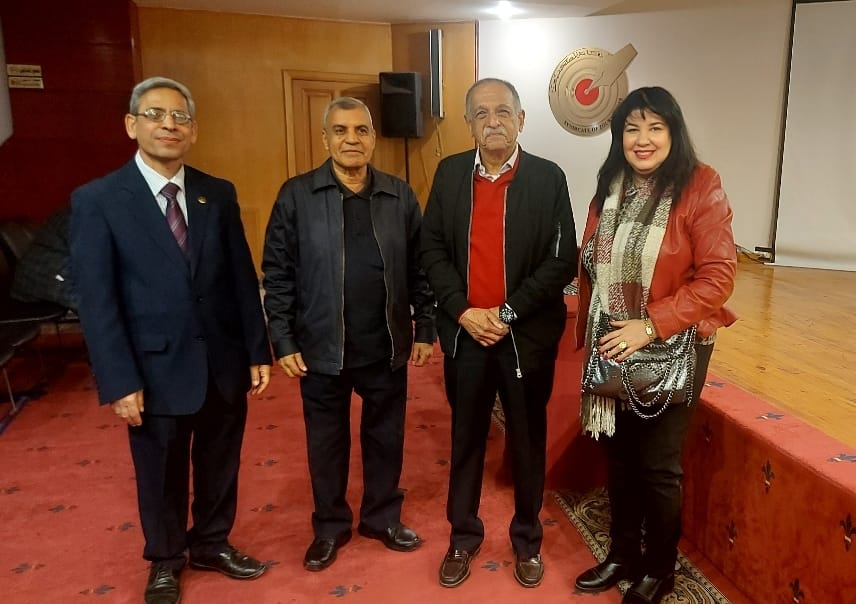

The pleasantly warm afternoon of 14 February 2026 saw Watani journalists and staff make their way out of the busy bustling crowds in Downtown Cairo, into the quiet cool of the Egyptian Journalists’ Syndicate building.
Homecoming
The air was filled with excited anticipation as they stepped into the lifts and converged on a wide hall on the 4th floor for a very special event. The hall, generously allocated to Watani for the event by the Head of the Syndicate Khaled al-Balshy, would host an honours ceremony in which Watani would recognise the lifetime achievement of journalists and staff who had worked with the paper and were now retired or, despite having reached retirement age, continue to contribute to the paper.
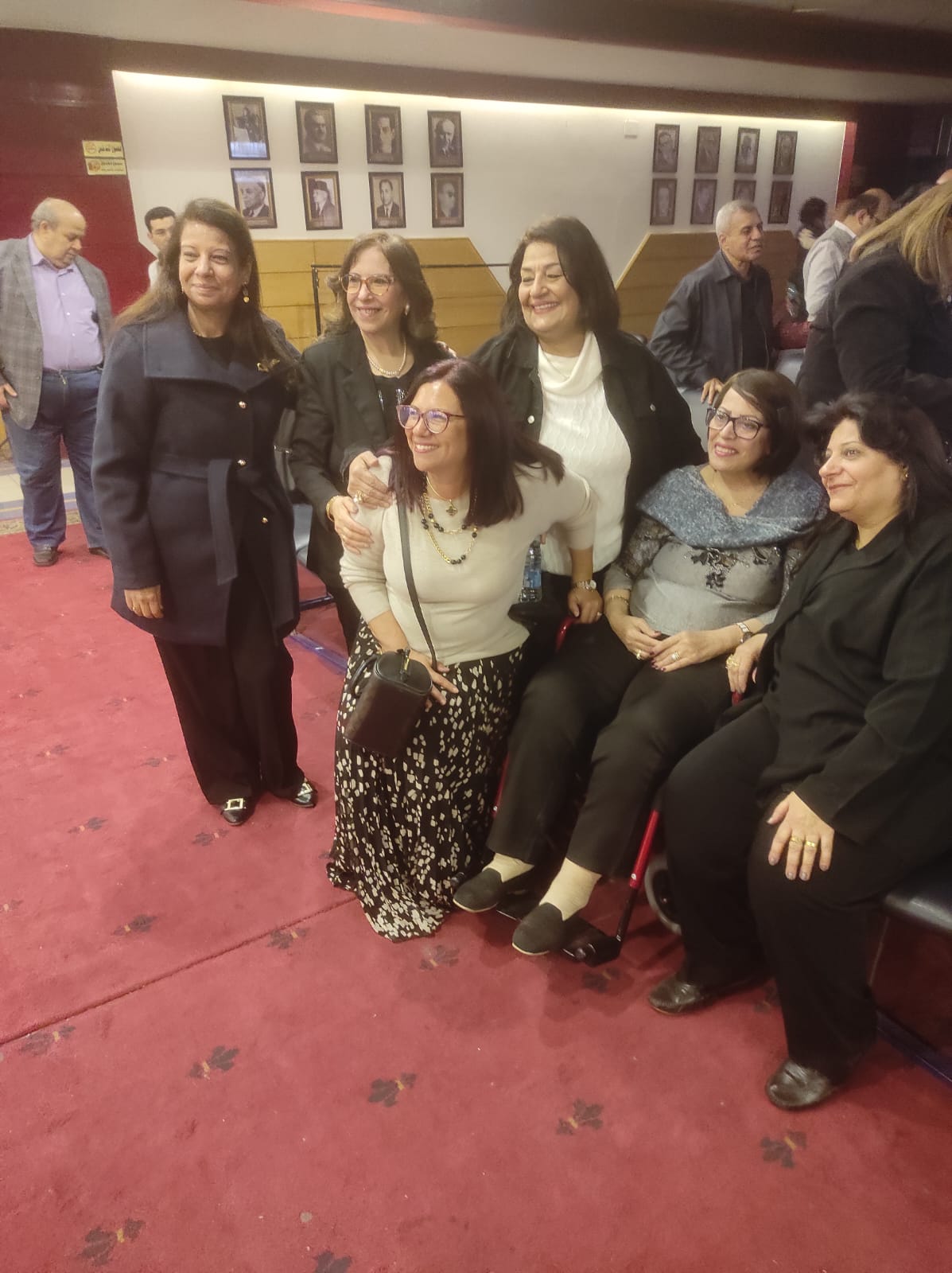
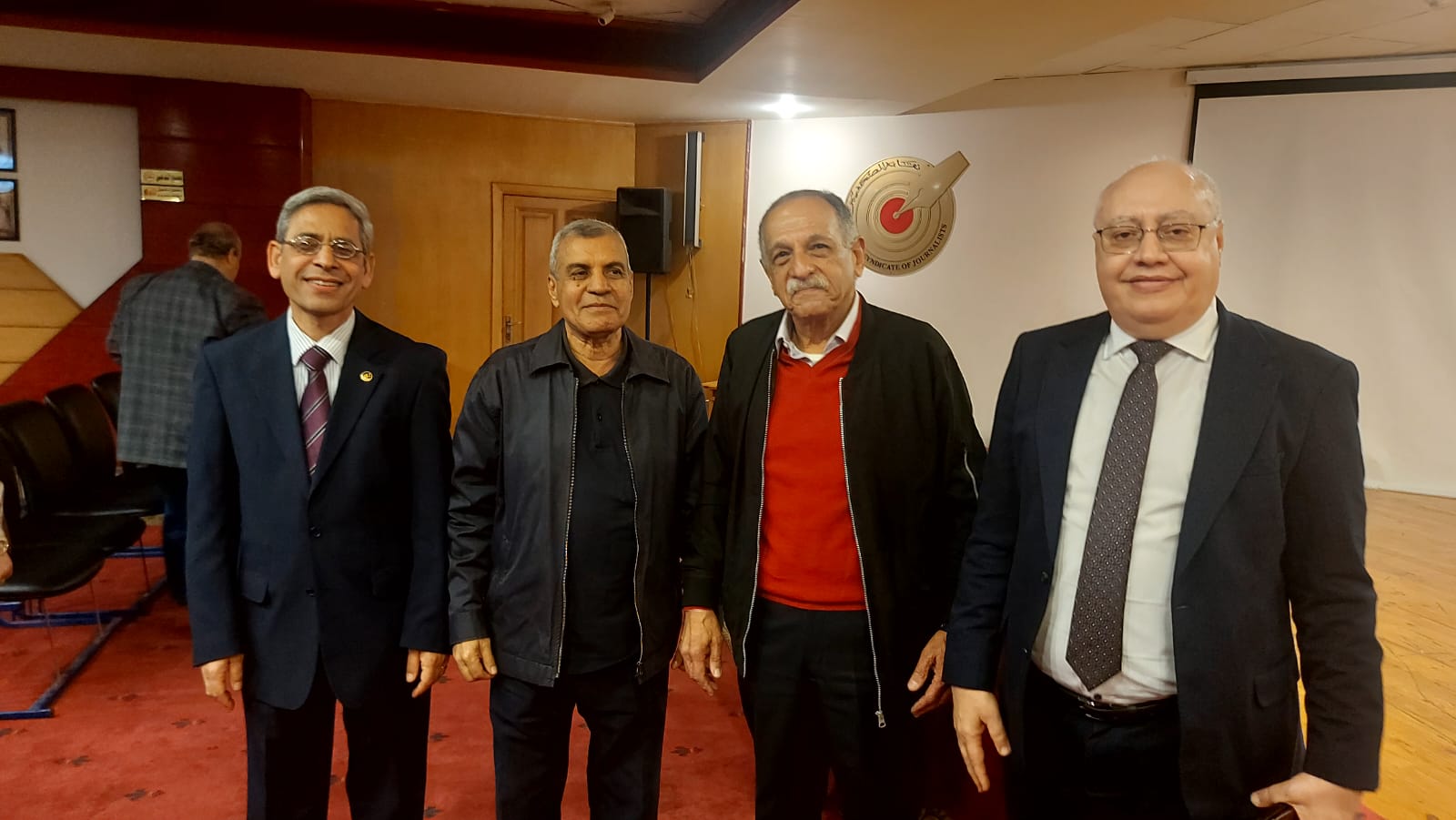
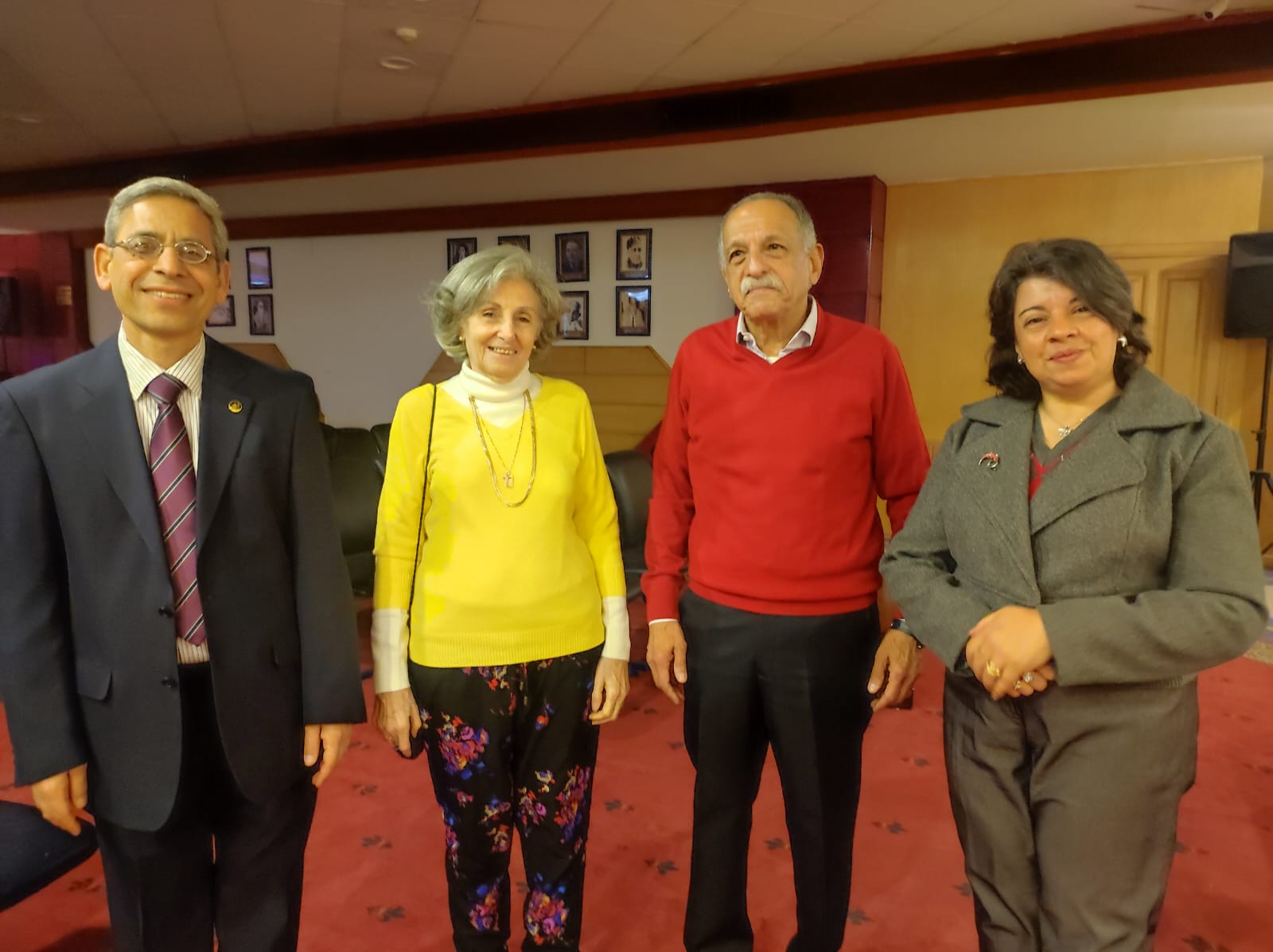
Most had arrived early to use the time to meet friends they had not seen in a long time, to resume chats and laughter, exchange notes and memories. Many had come from outside Cairo, others from inside the city but had not met their colleagues regularly since COVID shutdown in 2020 made working from home an accepted norm. The air was that of a warm, long-awaited homecoming.
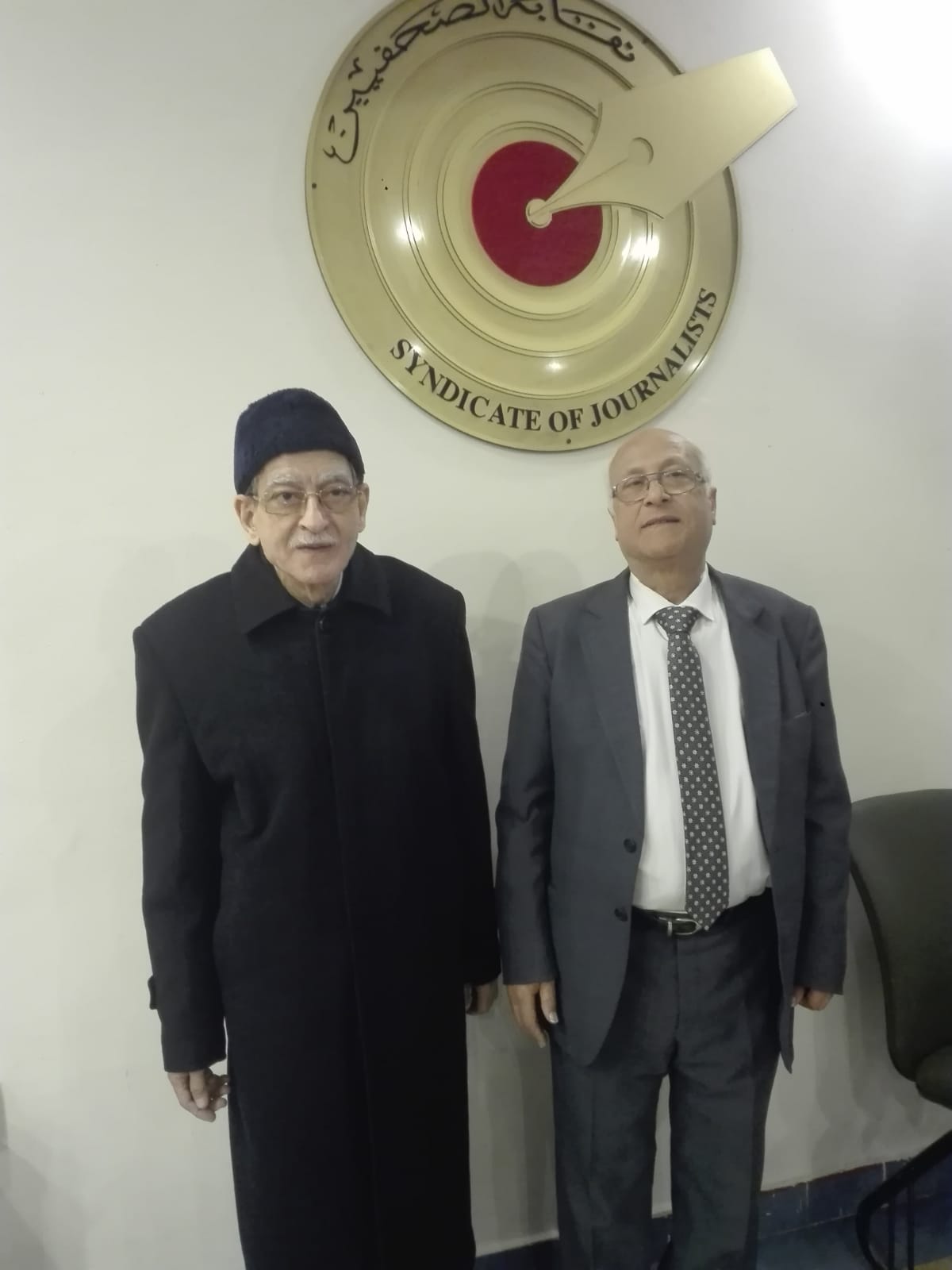
The place gathered old and young, those who had contributed lifetime work to the paper, and those who continue to do so while also reformulating the paper into a modern-day news product. The scene was a vivid affirmation that Watani, which had withstood countless challenges over its years, possesses the elements of survival.
Consistent message of truth
At 1:30pm, Editor-in-Chief Youssef Sidhom announced the start of the ceremony. As everyone took their seats, it was obvious that the event was no fleeting protocol occasion, but a moment of summoning a long history of close to seven decades since the founding father Antoun Sidhom sowed the first seed in December 1958 until he died in 1995, and his son Youssef Sidhom carried the torch ever since. The long journey saw generations of professionals faithfully shouldering the responsibility of journalistic work for it to become a moral obligation not just a professional role.
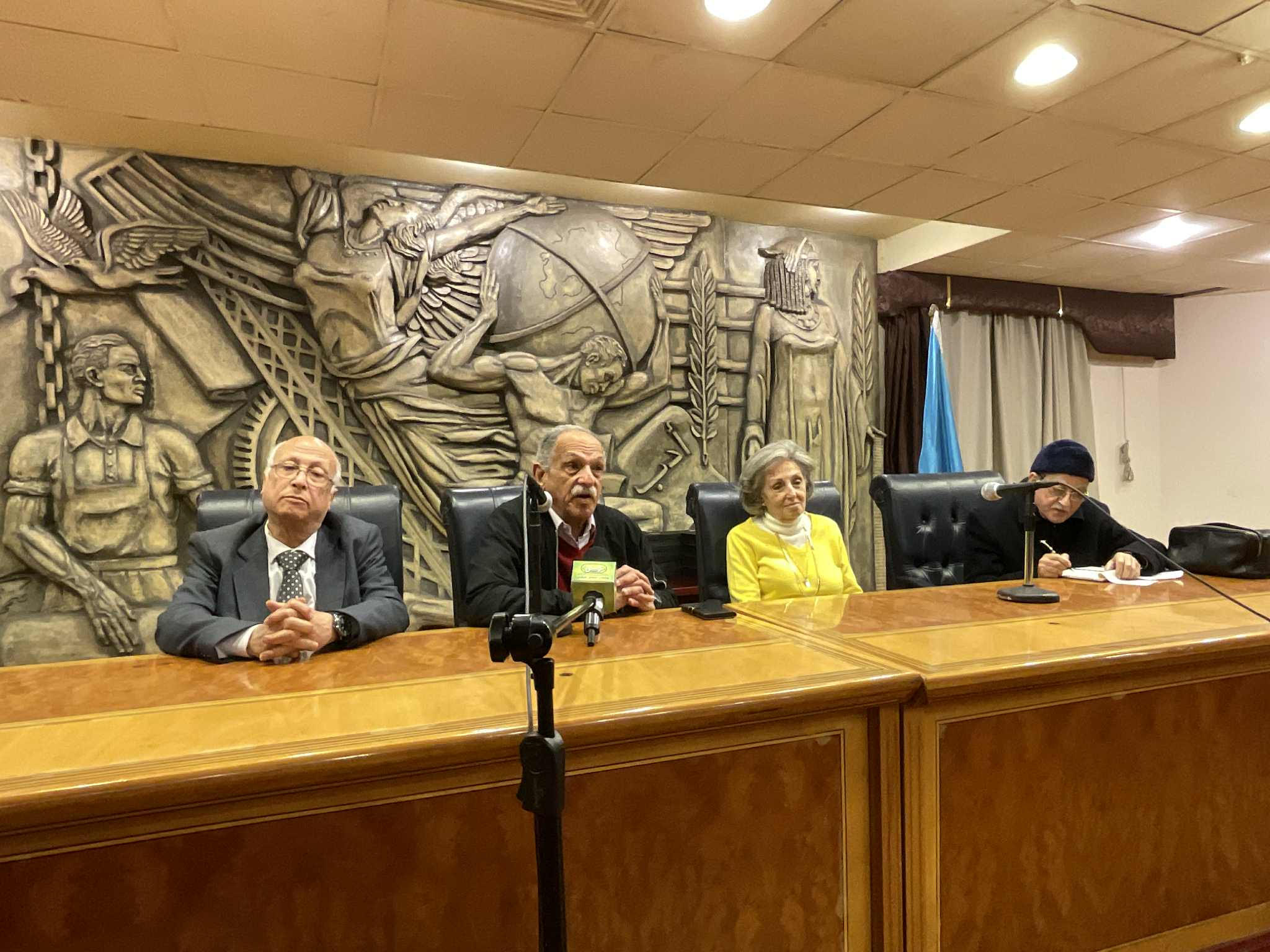
Youssef Sidhom gave a word in which he said that that day’s event was no passing occasion, but marks the beginning of a tradition of honouring Watani pioneers, “those who are no longer alive, those who do not work with us anymore, and those who continue their professional contribution till today.”
He said that the last time Watani had held a grand event was in 2008 when it celebrated its jubilee, and hoped that all would be well for everyone to celebrate the paper’s 75th anniversary in 2033.
Mr Sidhom spoke of the struggle to keep print journalism alive as it is overtaken by digital journalism. Yet the significant matter, he stressed, is not the form of journalism prevalent at any given time, but the message that is being relayed, be that in whatever form. And Watani’s message of accurate, truthful, unembellished reporting, he said, has always been consistent, whether on paper or online. The Editor-in-Chief expressed his pride that the new generation of Watani reporters have taken the paper seamlessly into the digital age.
Mr Sidhom concluded by stressing that Watani recognises each and every one of its pioneer staff and the mark they left. “We will always remember you as an integral part of this paper’s history and career,” he said.
Identity carved by generations
Samia Sidhom who manages Watani International’s English-language print and digital paper, started by thanking Youssef Sidhom for planning that special event, Digital Media manager Dina Sidhom for organising it; and English-language and Digital Senior Editor Dalia Victor for her hard work in its execution.
Ms Sidhom spoke of those honoured that day, saying they were the ones who made Watani what it is, and connected it with a broad base of readers. “When I joined the newspaper in 2001 to handle its newborn English-language edition,” she said addressing the pioneers, “you were all already there. I was the newcomer. You had already built Watani, given it a resounding name among Egyptian papers, and established its reader base.
“The presence of everyone here today confirms that Watani is not only history, but is a vivid present and a promise of a bright future. I see, together with the older generation, young people who are rebuilding the paper on the digital level in a manner commensurate with the requirements of the time. Which is not to say we’re already there! The digital age is ever changing and developing, which obliges us to keep up with new-age variables.”
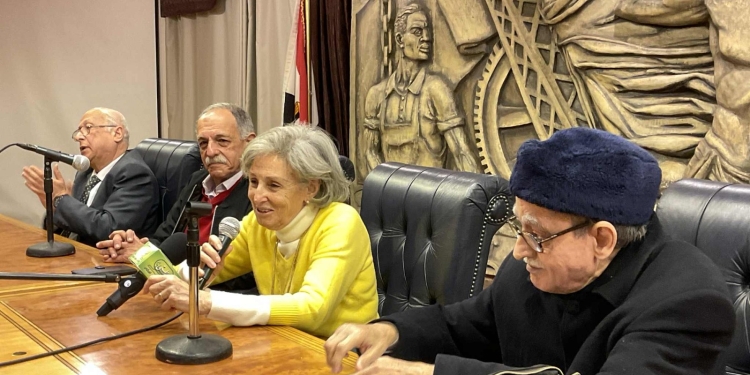
Ms Sidhom continued: “Attendance today represents the continuation of a great professional and moral message. The professional message is obvious to all, but the moral message is the deeper one, manifested in the warm constant love that so clearly binds us all here as we recall memories of fellowship and also professional competition.
“Watani is not just a newspaper, but a brilliant mission… one that I thank you all for.”
Elements of survival
The Elder of the pioneers, Watani’s correspondent in Egypt’s southernmost city of Aswan, Sami Meiras, gave a word in which he said that the paper, despite various difficulties and challenges at all times, always possessed the elements of survival: steadfastness, persistence, and potential for renewal and development.
Mr Meiras said that Watani has been blessed with a great leader who has carried the torch from his father with forthrightness and the spirit of teamwork.
The spirit of the institution, he said, is based on one belonging and joint work, they form one family united by the message of truth before any other consideration.
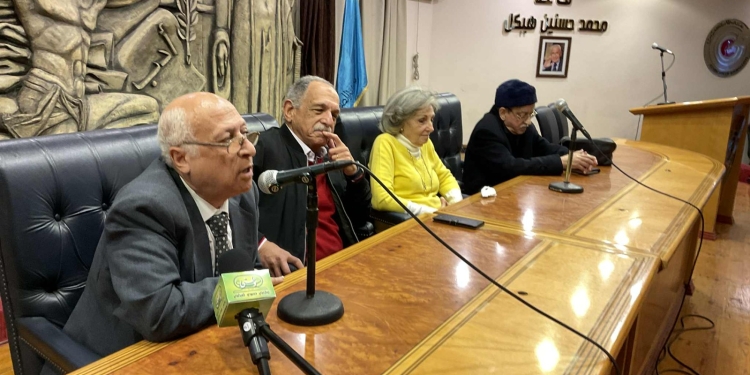
Nash’at Abul-Kheir, Watani’s Alexandria correspondent, said he was very happy to be part of a ceremony honouring the pioneers of the newspaper, stressing his pride in being among the honourees in a celebration held by an institution with roots that extended from close to 70 years back, delivering its journalistic message with professionalism and credibility.
Mr Abul-Kheir thanked those who planned and organised the celebration of the pioneers, congratulated the honourees, and encouraged Watani’s young staff to continue the march in the same spirit and sincerity of those who preceded them.
The honours
Finally, it was time to honour the pioneers who had given their best years and effort to Watani.
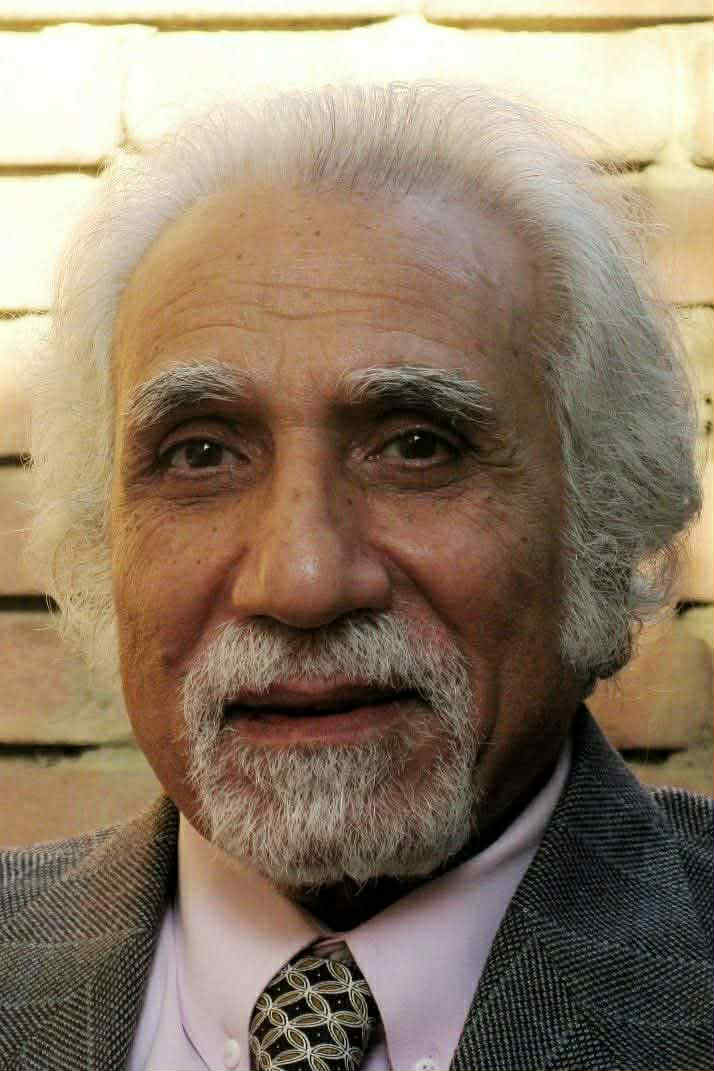
Youssef Sidhom handed the awards, starting with those awarded to the names of Art Editor Wagdy Habashy (1940 – 2024), Feature Editor Georgette Sadeq (1963 – 2021), and Senior Editor Soliman Shafiq (1953 – 2025).
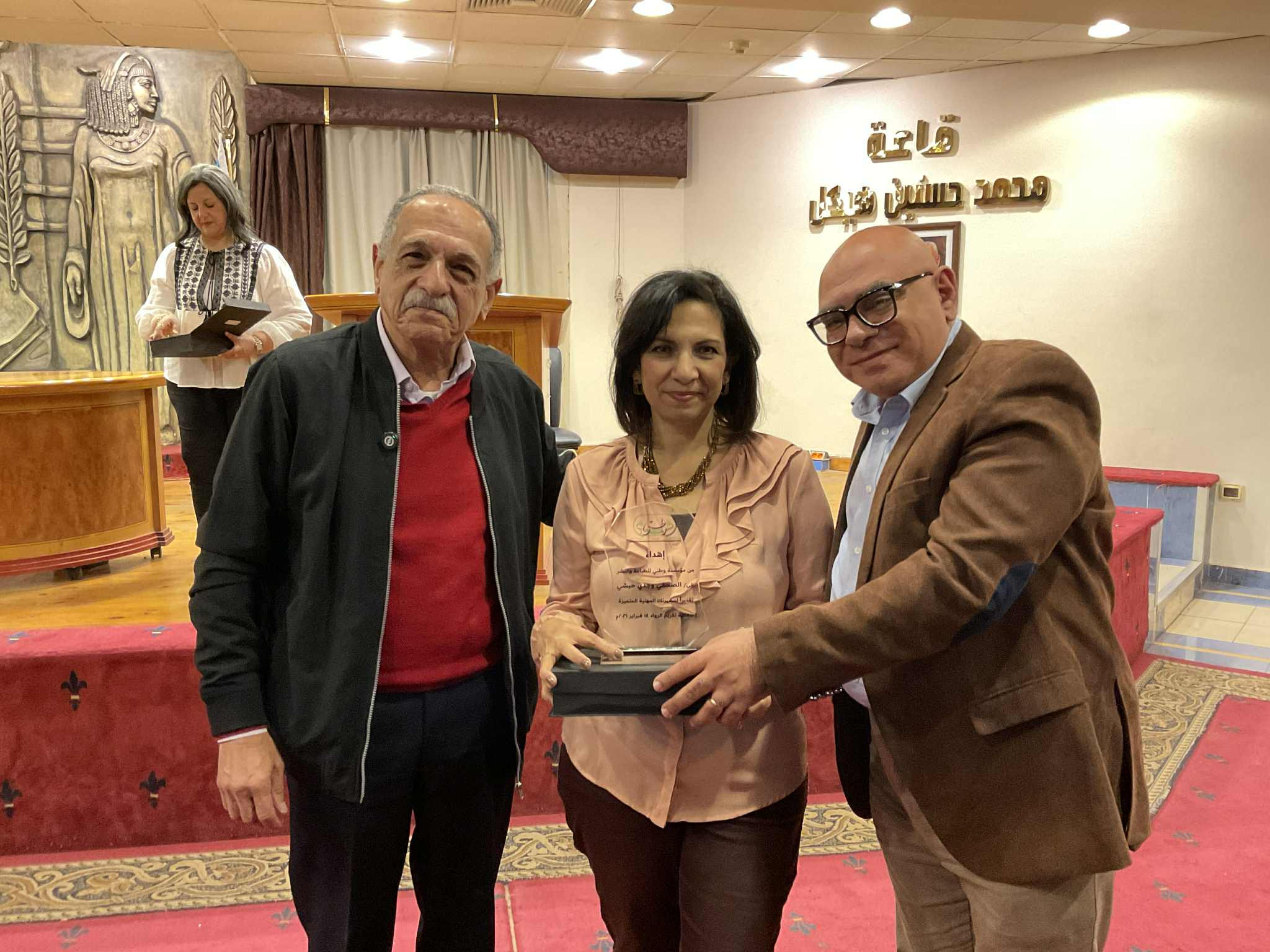
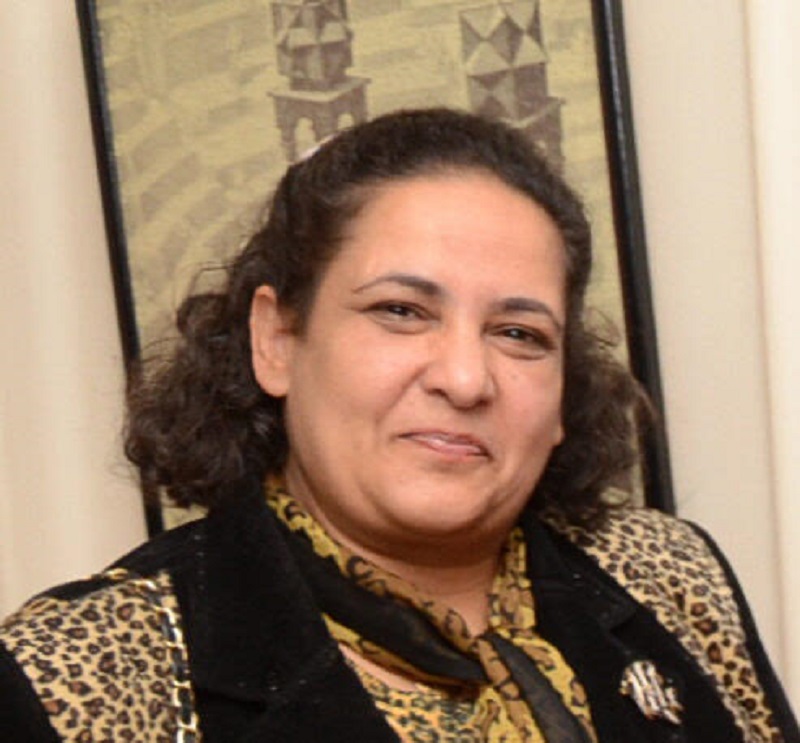

Then came awards to senior editors Victor Salama, Laura Hakim, Nour Qaldas, Nabil Adly, Tharwat Fathy, Salwa Rifaat, Nadia Barsoum, Salwa Stephen, Ekhlass Atallah, Mary Fikry, Marcelle Nasr, and Maged Moussa.
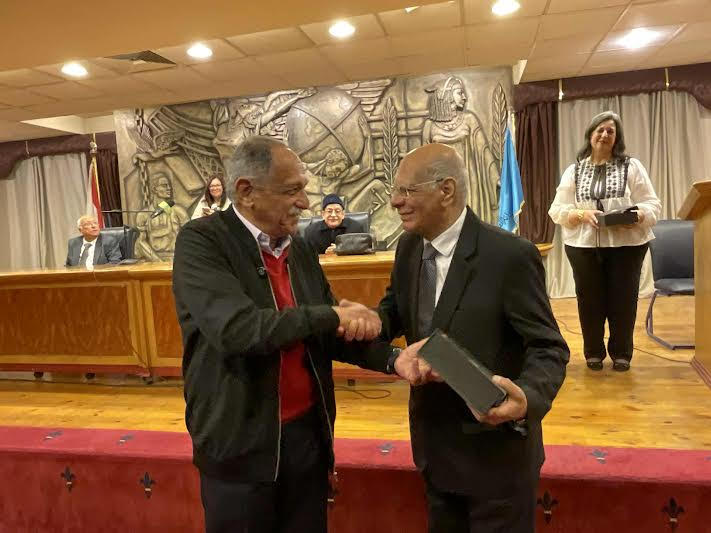
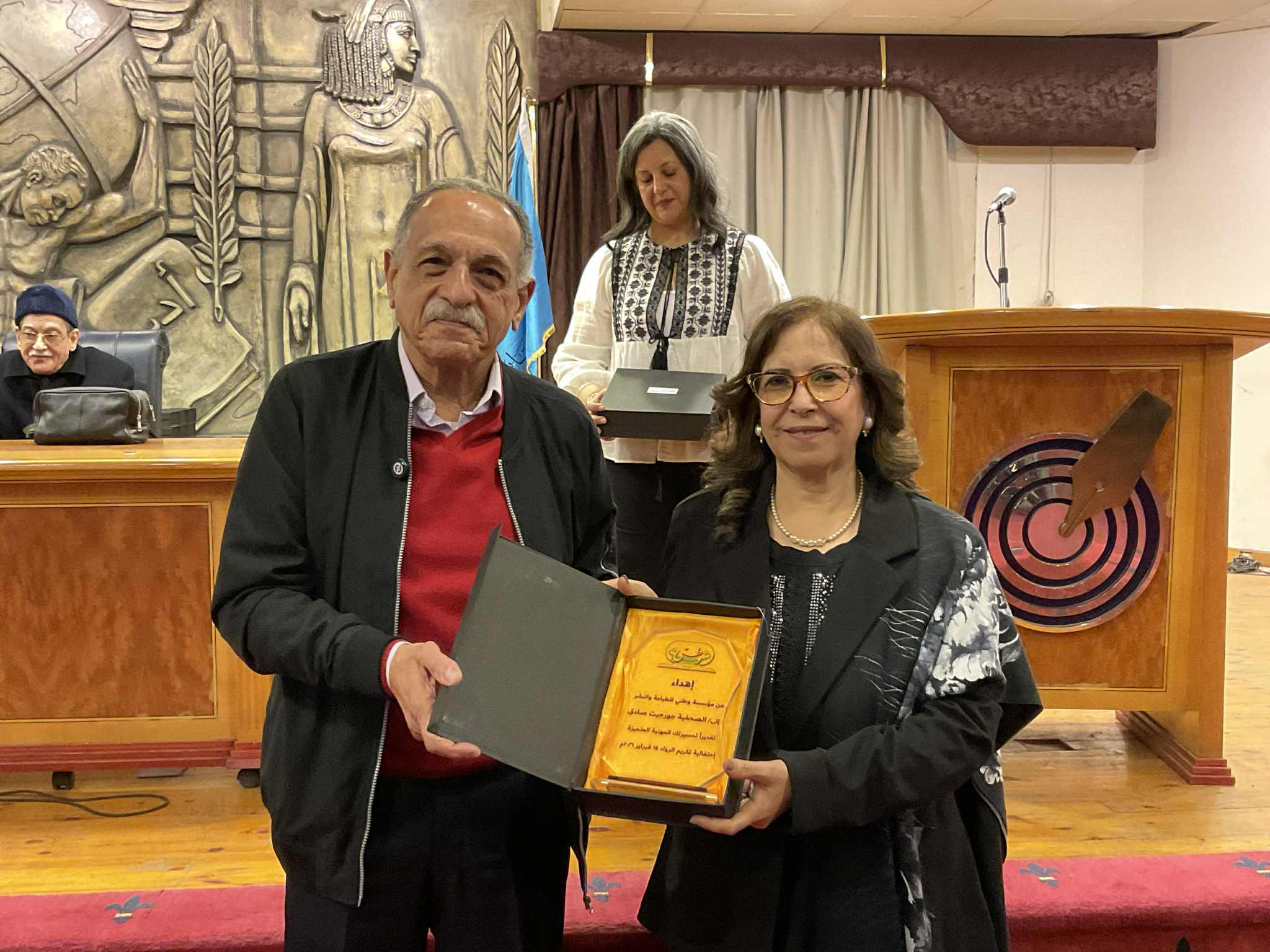
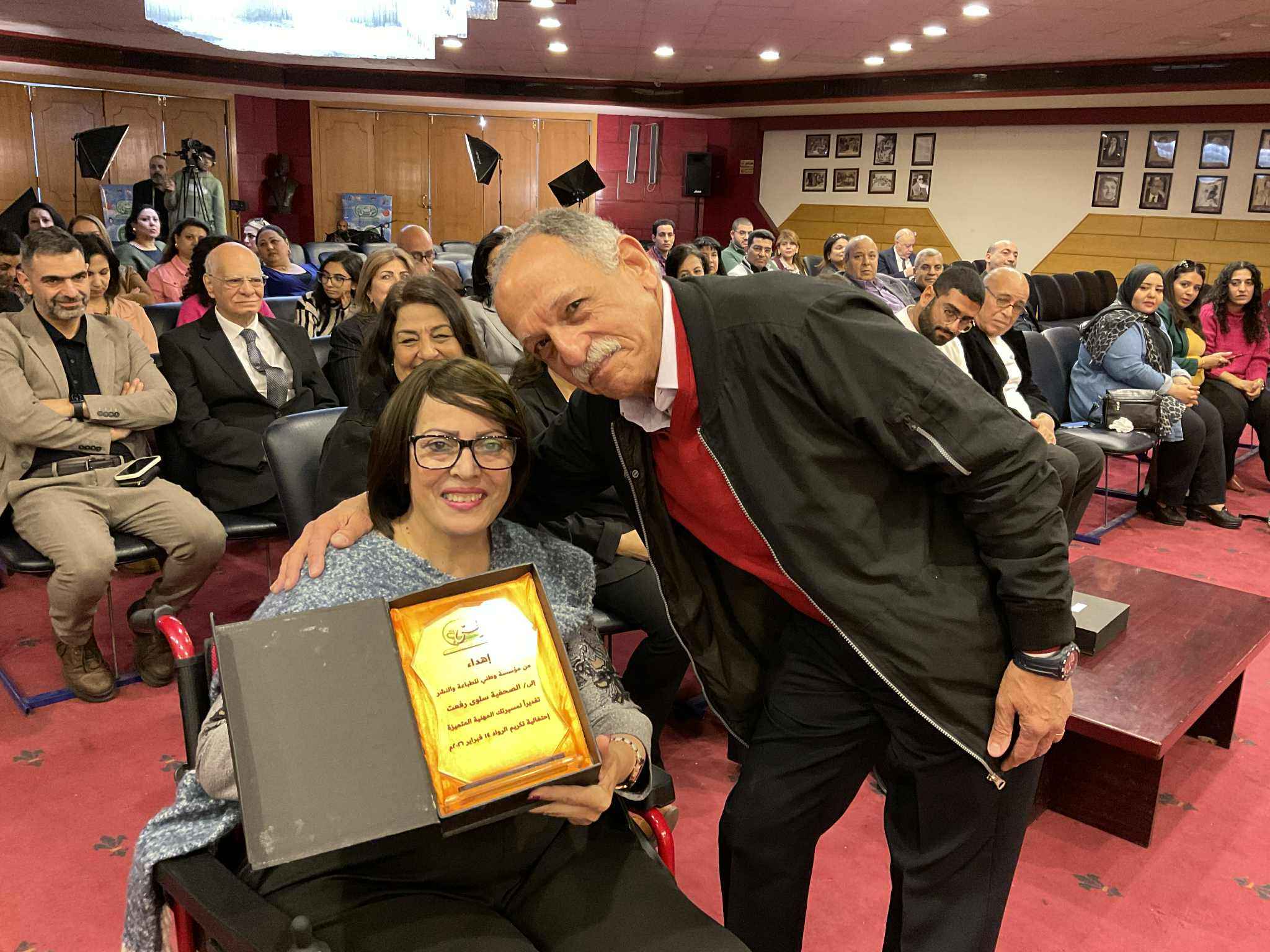
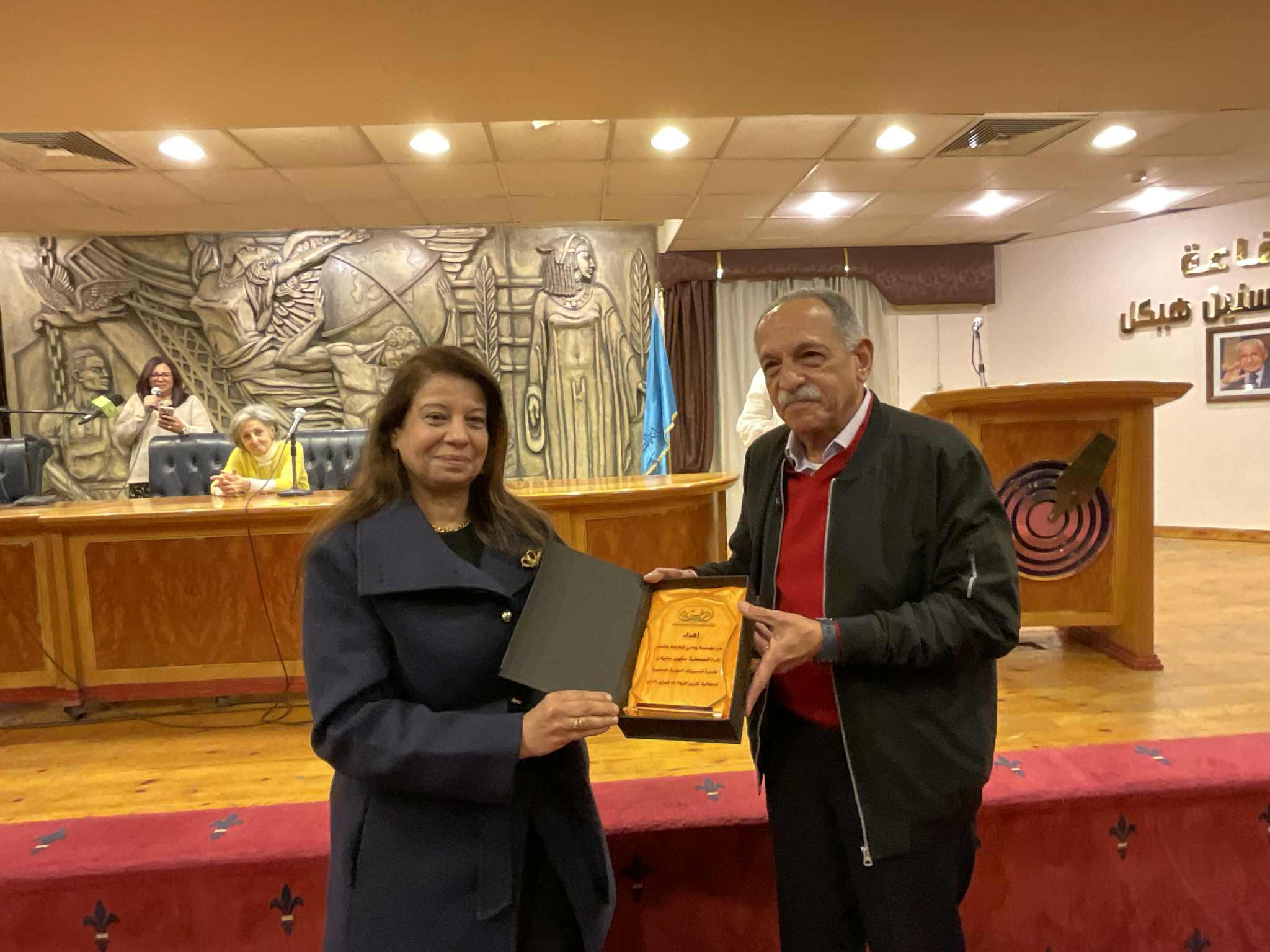
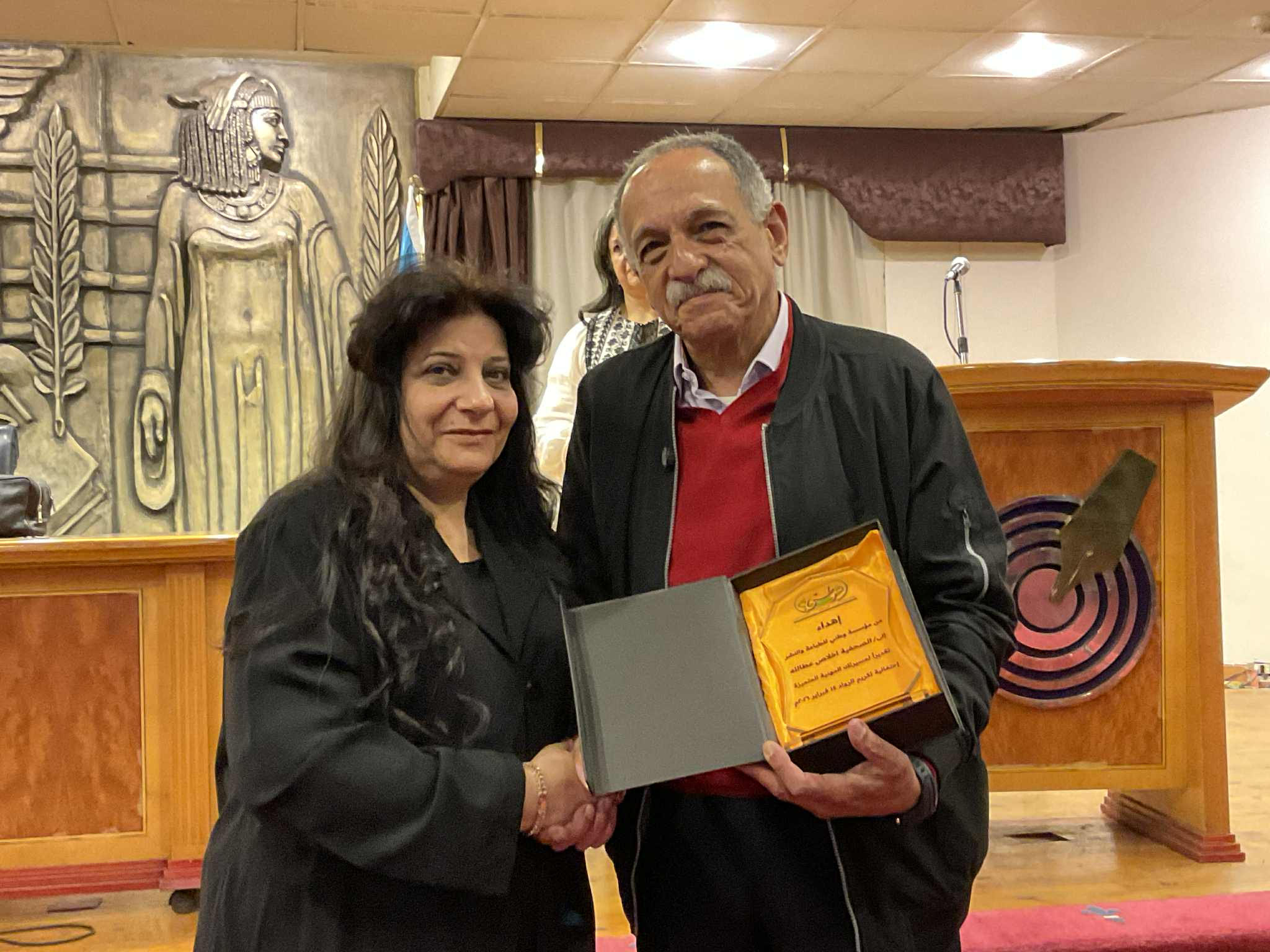
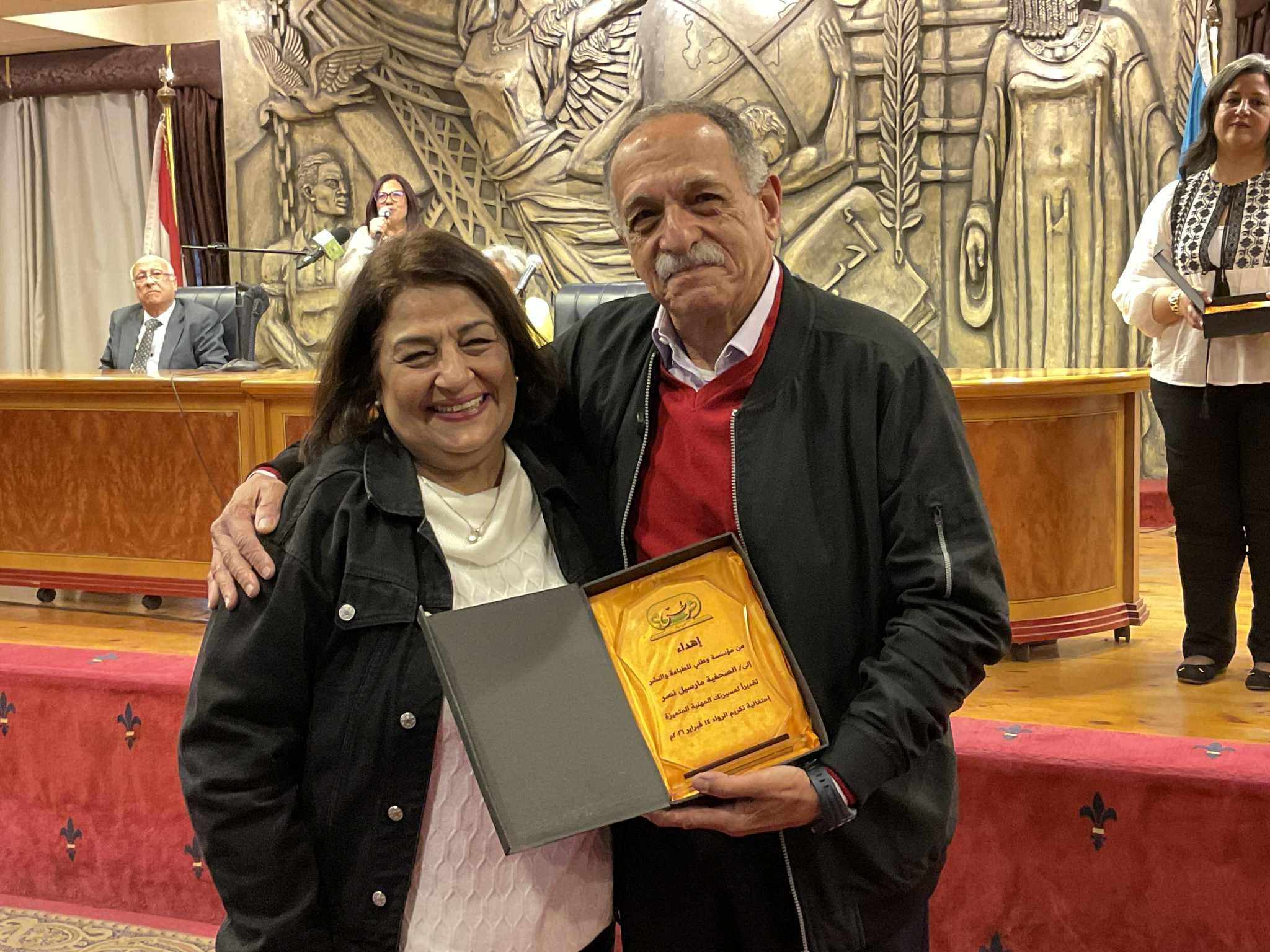
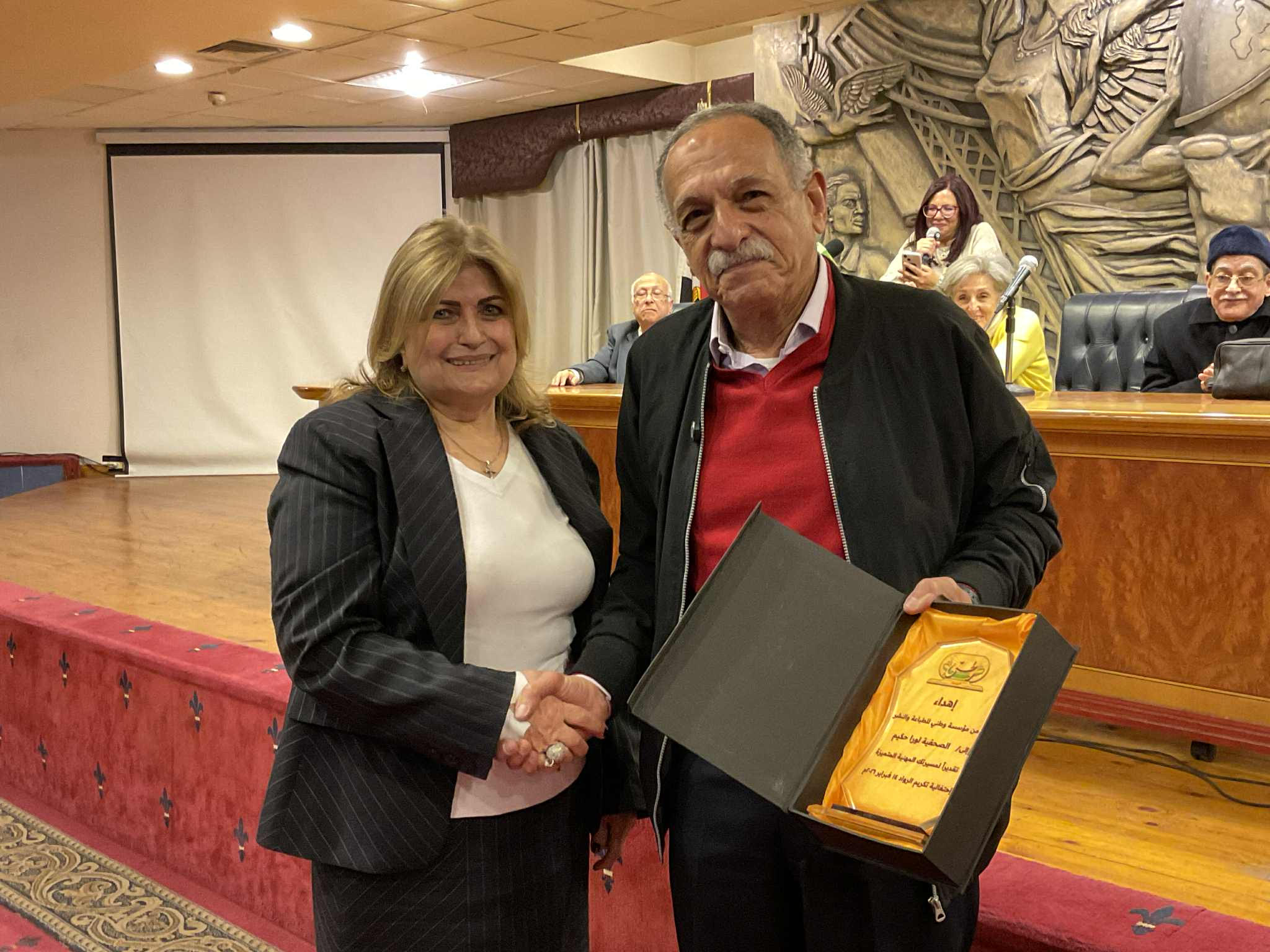
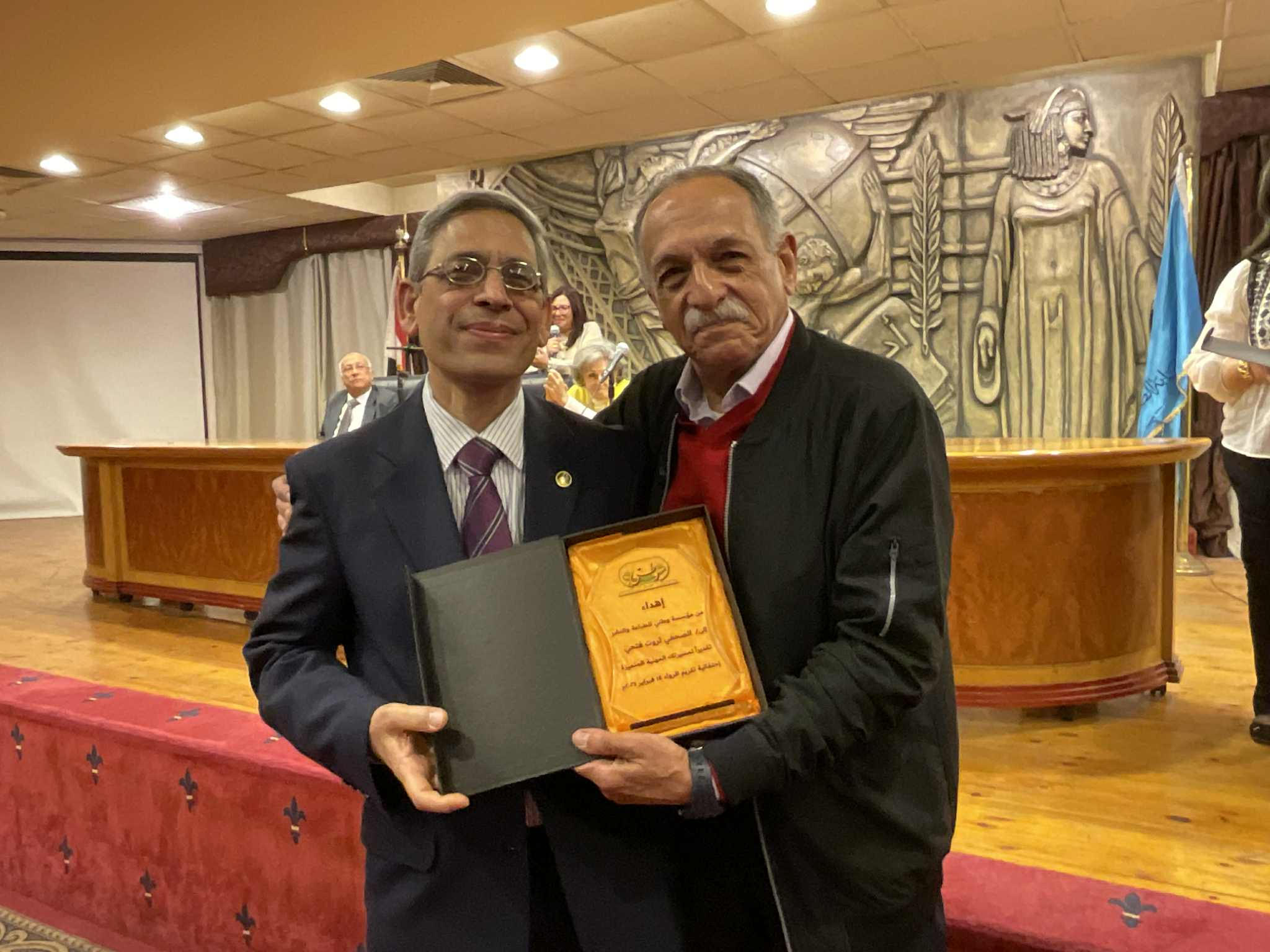
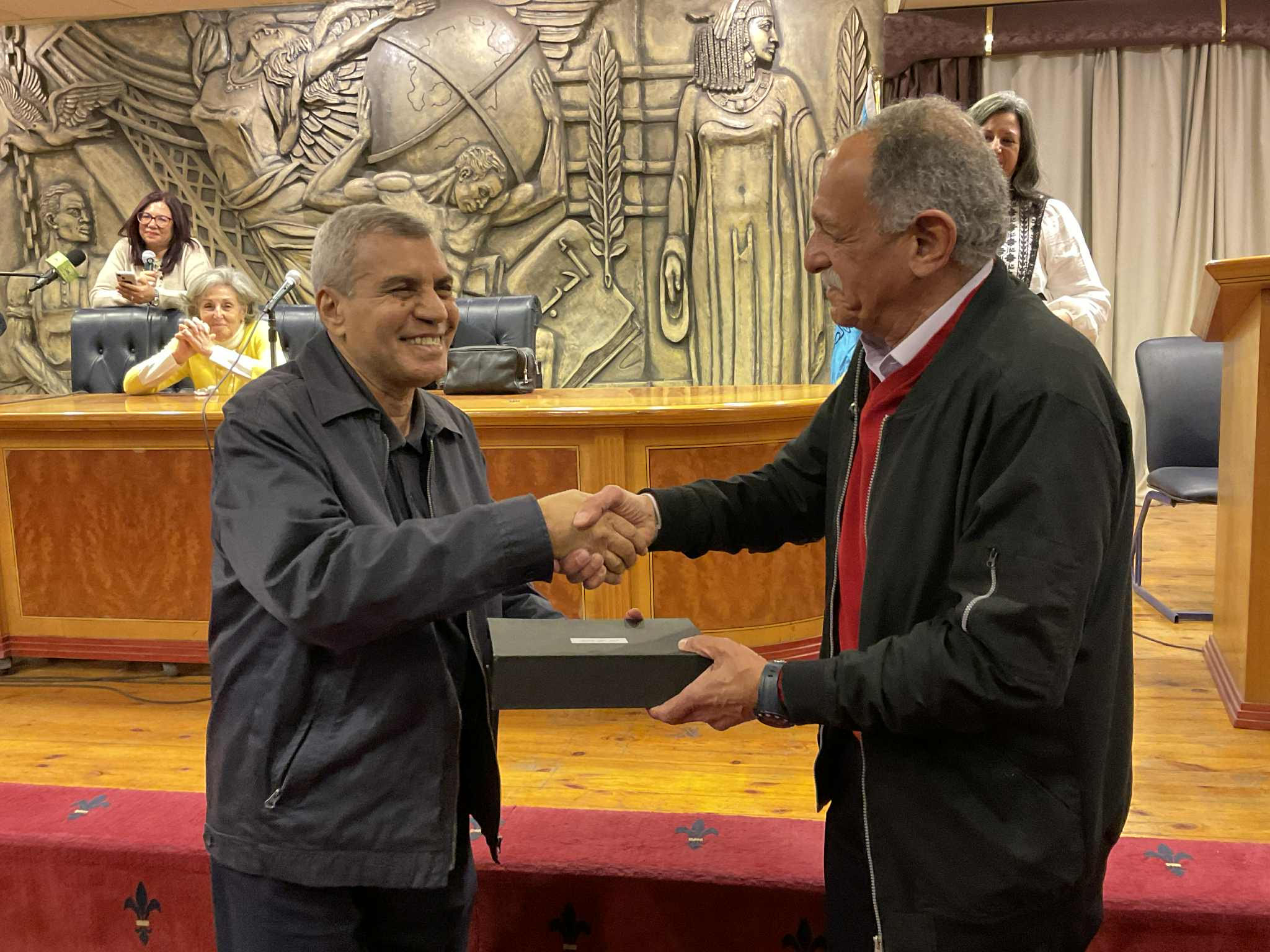
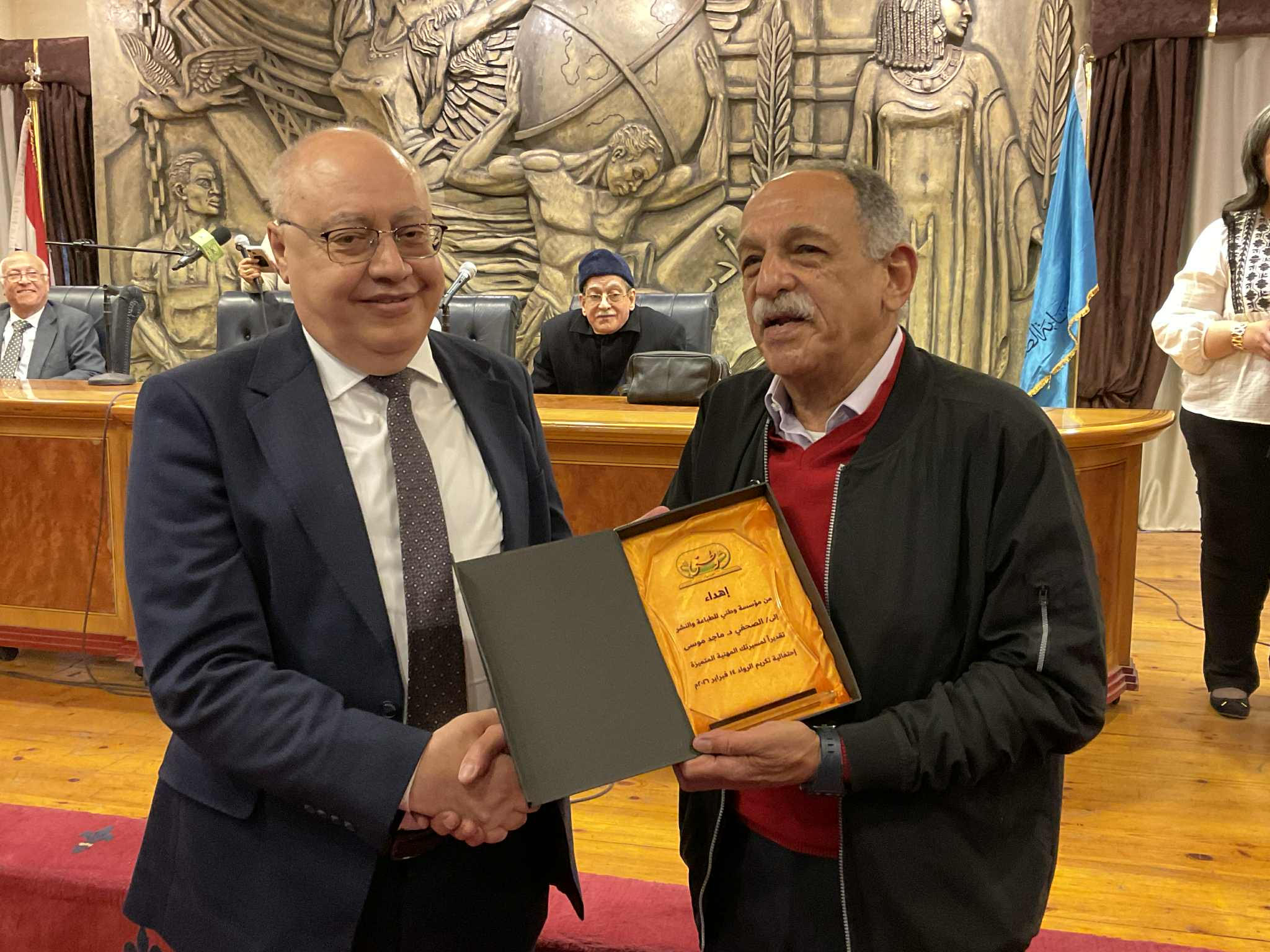
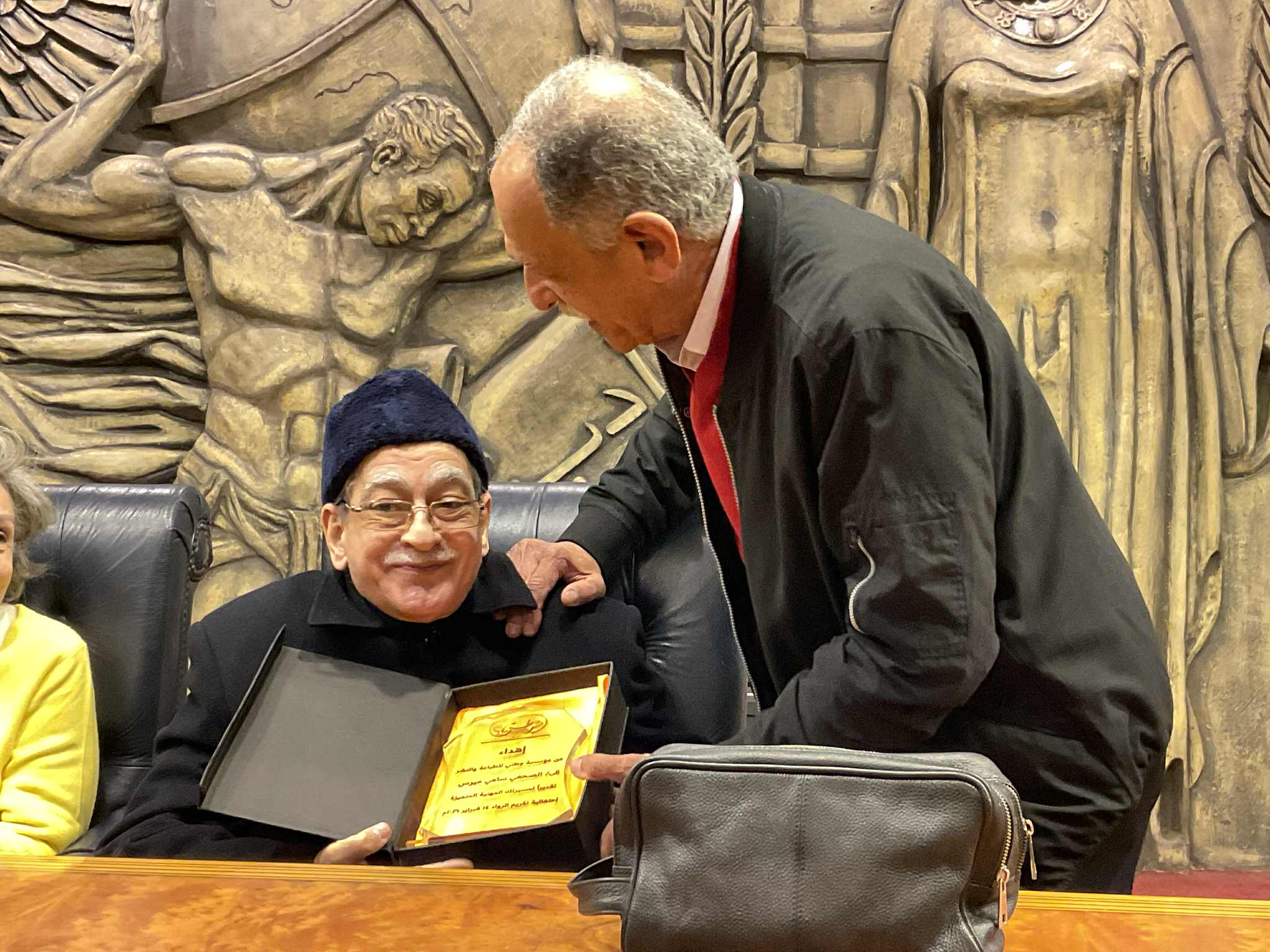
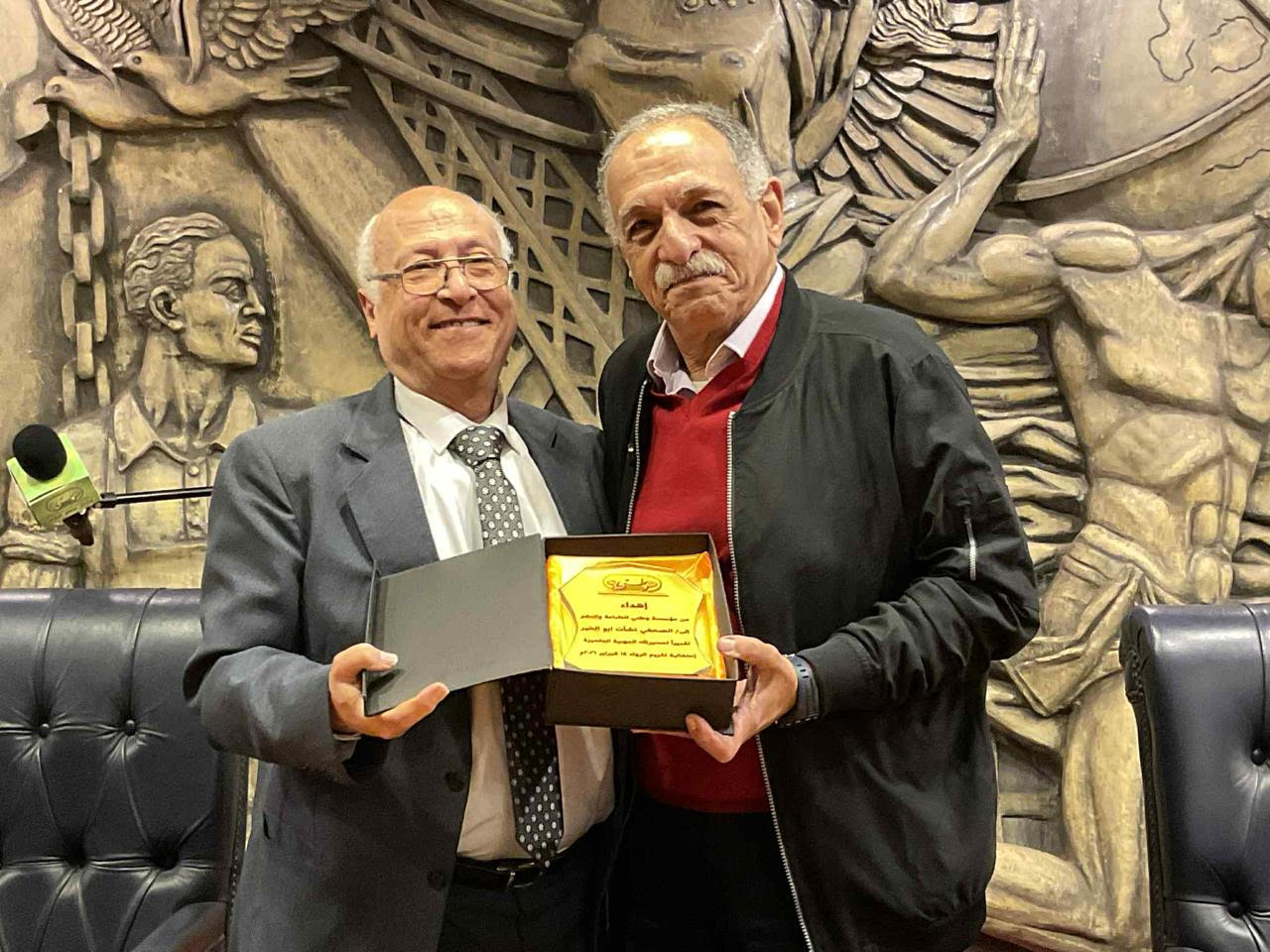
The Watani correspondents honoured were Sami Meiras, Basma William, Nash’at Abul-Kheir, and Jimmy Gaballah.
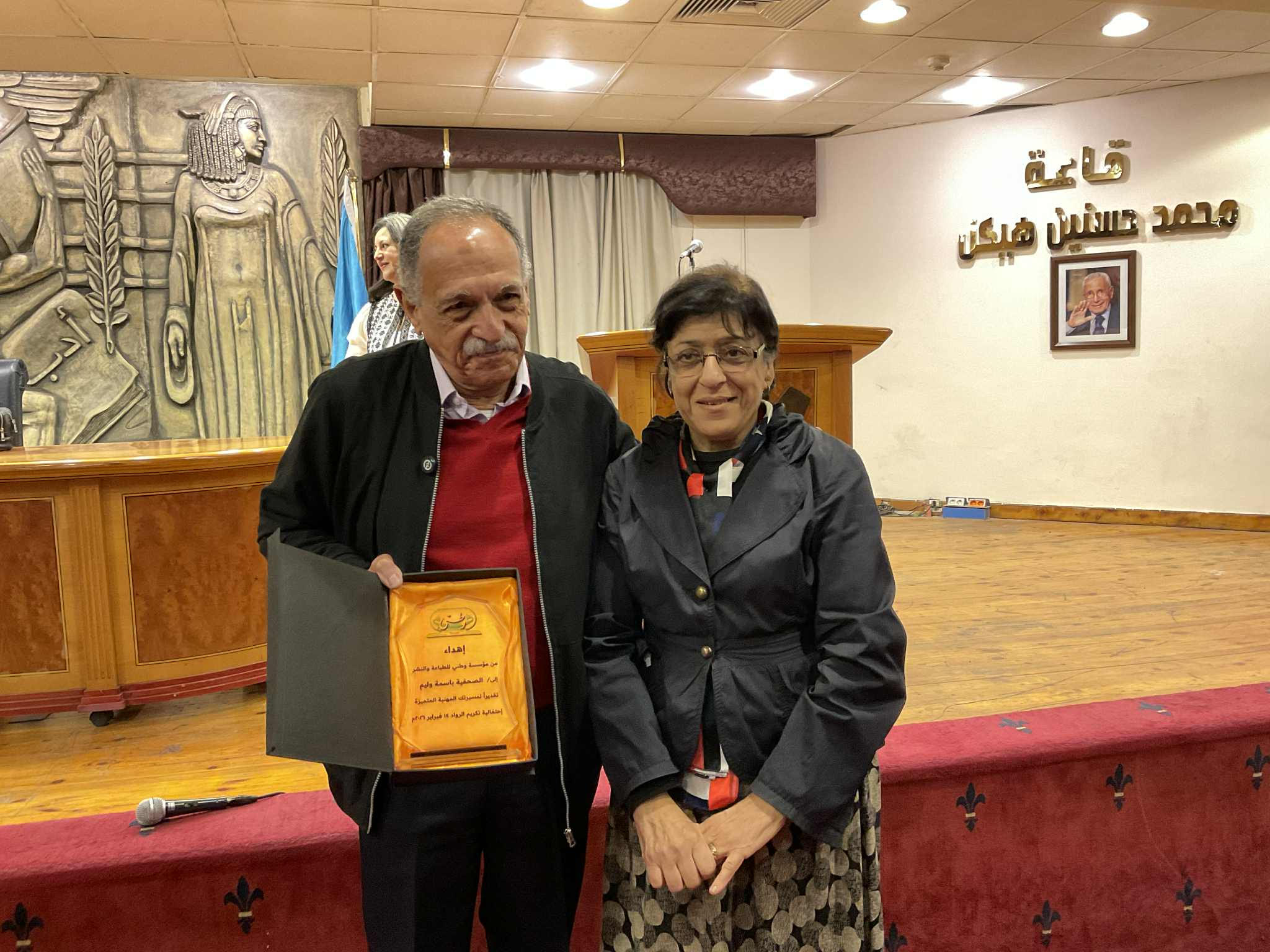
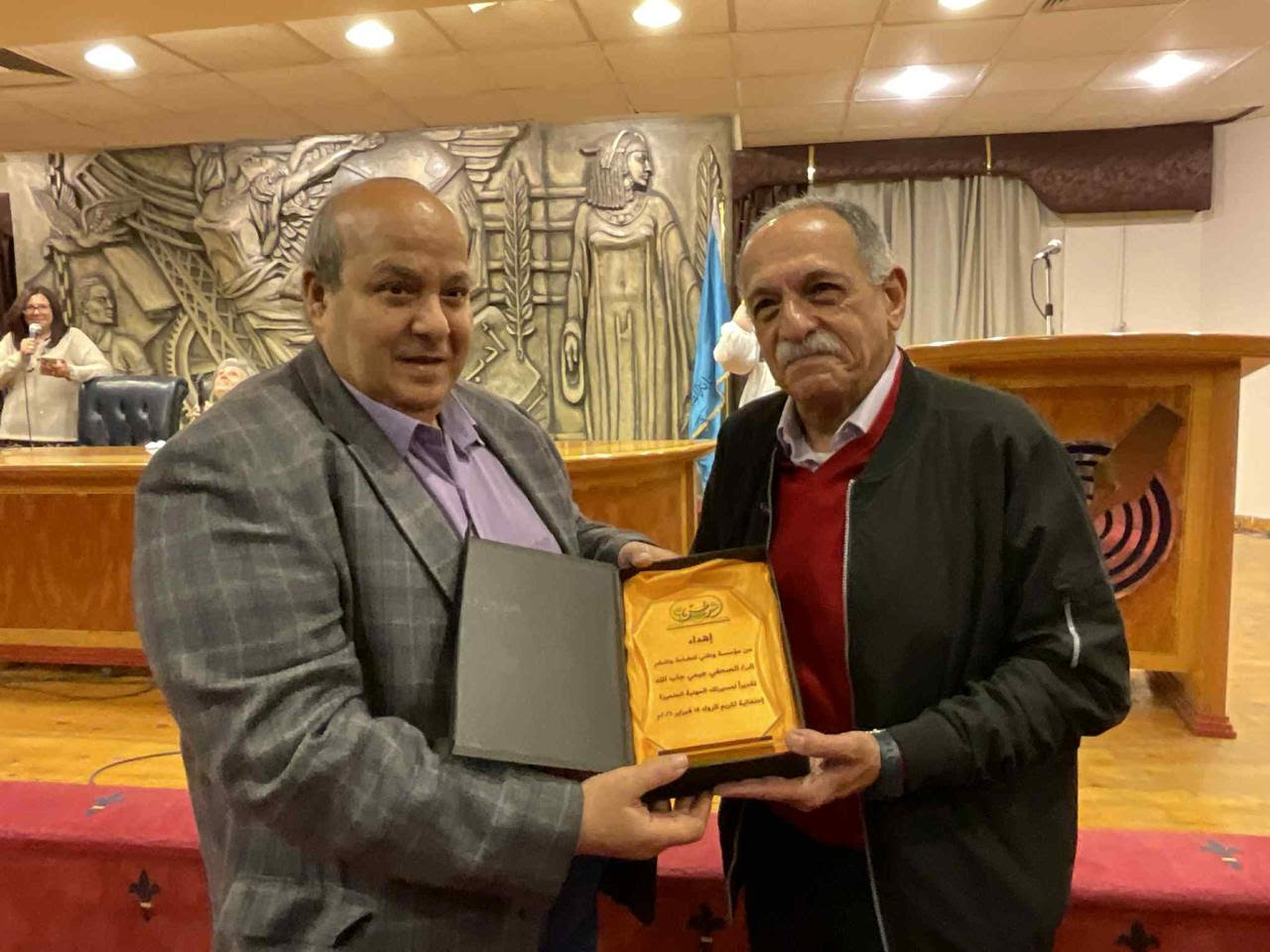
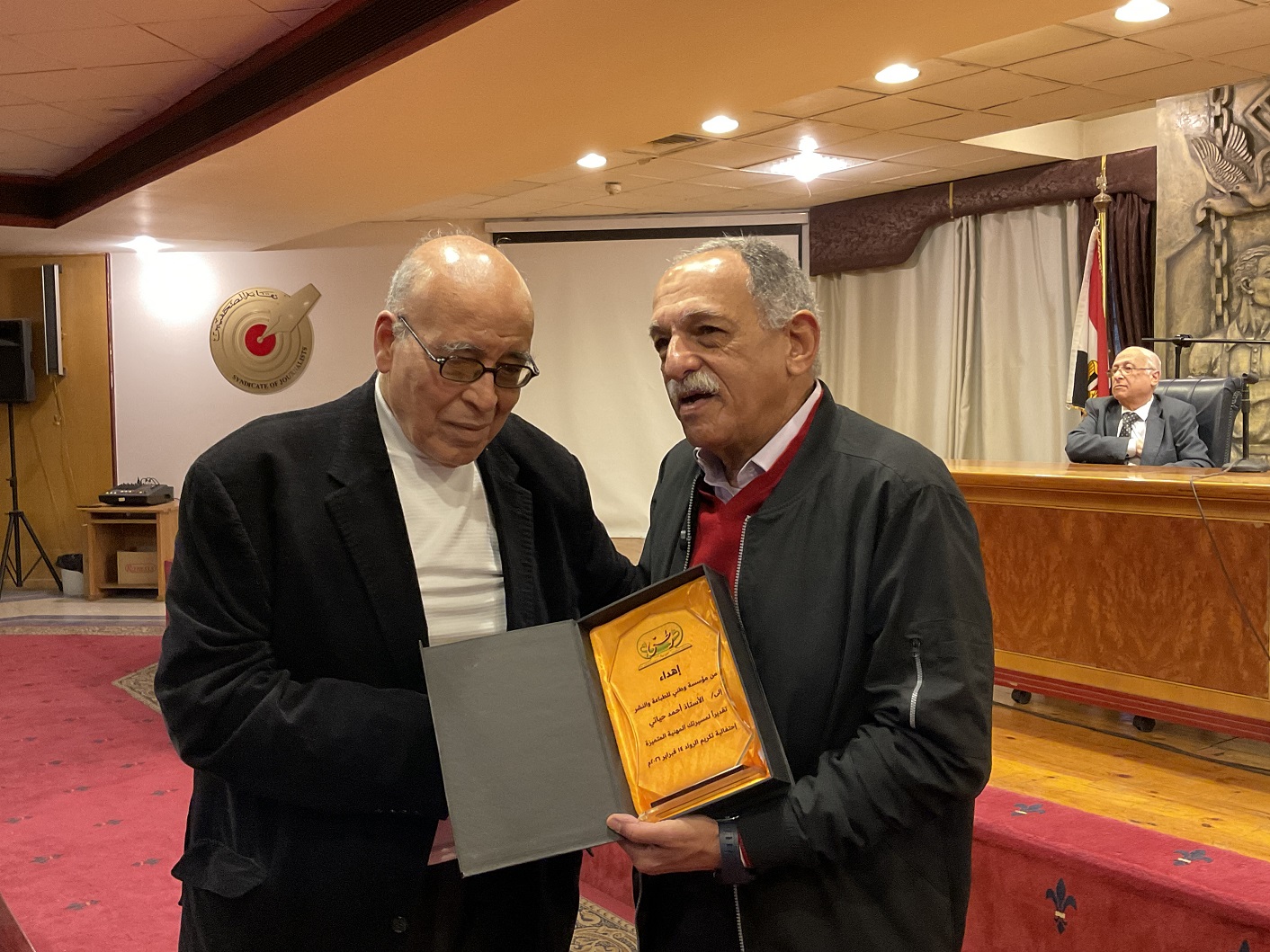
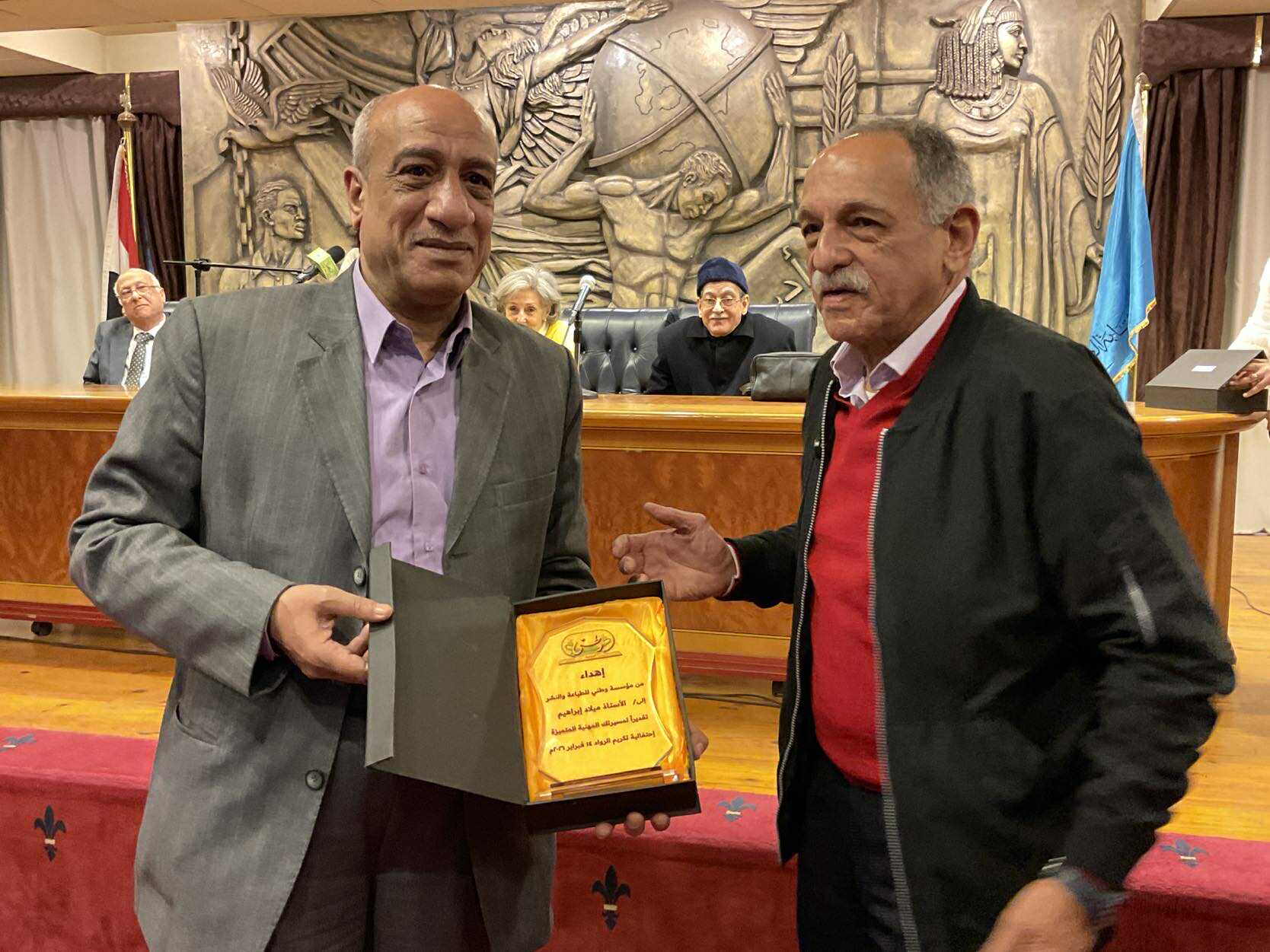
Watani’s Advertisement Manager Milad Ibrahim was also honoured, as was page design and printing manager Ahmed Hayati.
Then came a special honour for one young woman who even if not matching the pioneers in age, matched their achievement in dedication and singularity. That woman is Sherifa Massoud, a young blind woman who had trained in Watani’s Youth Forum during the 2000s, and went on to single-handedly edit and supervise the execution of a monthly publication of Watani in Braille.
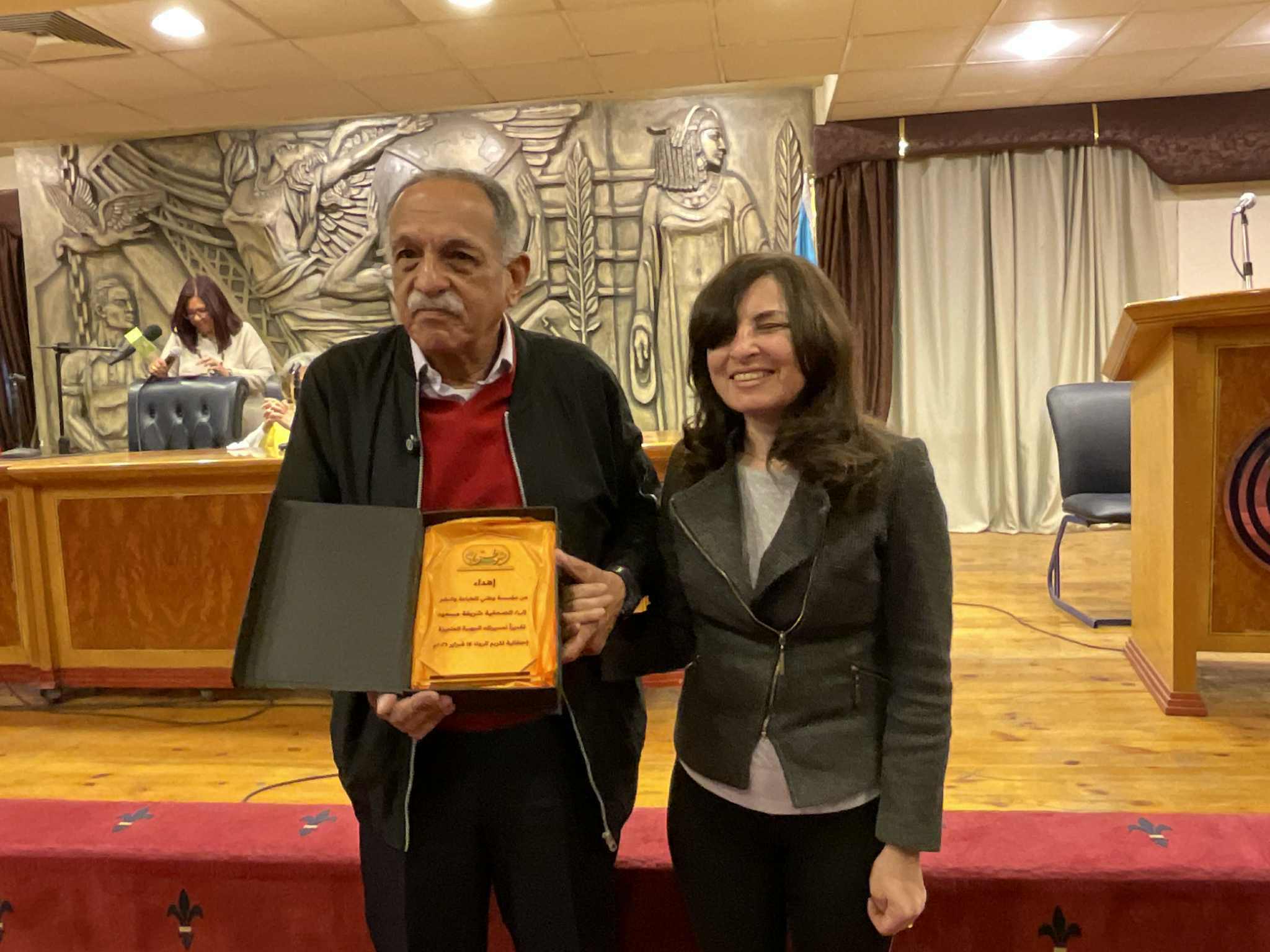
The publication, sponsored by Youssef Sidhom, was the first of its kind in Egypt and possibly in the Middle East. It continued for some 10 years. A surprise recognition followed, with shields presented to Youssef Sidhom and Samia Sidhom.
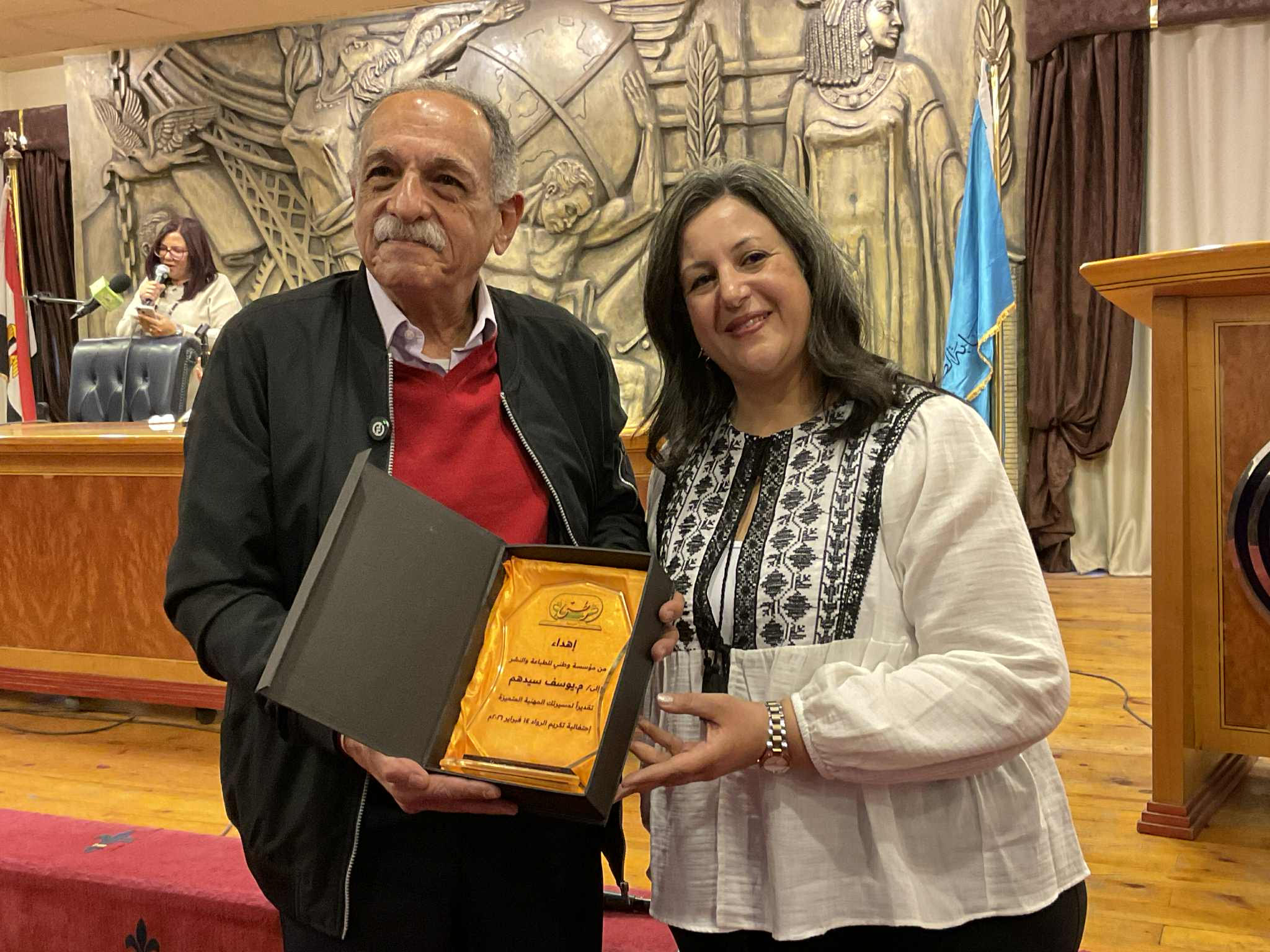
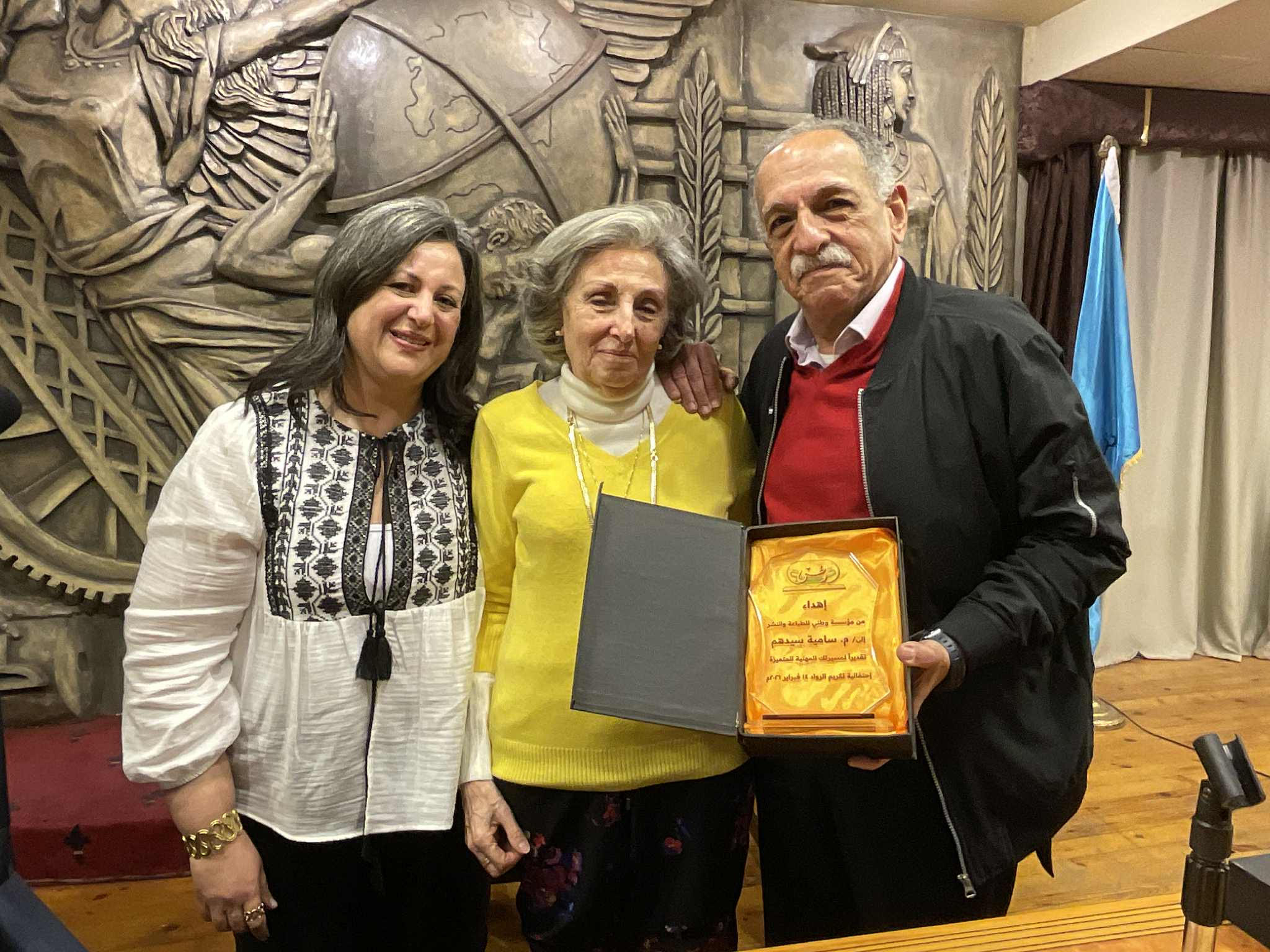
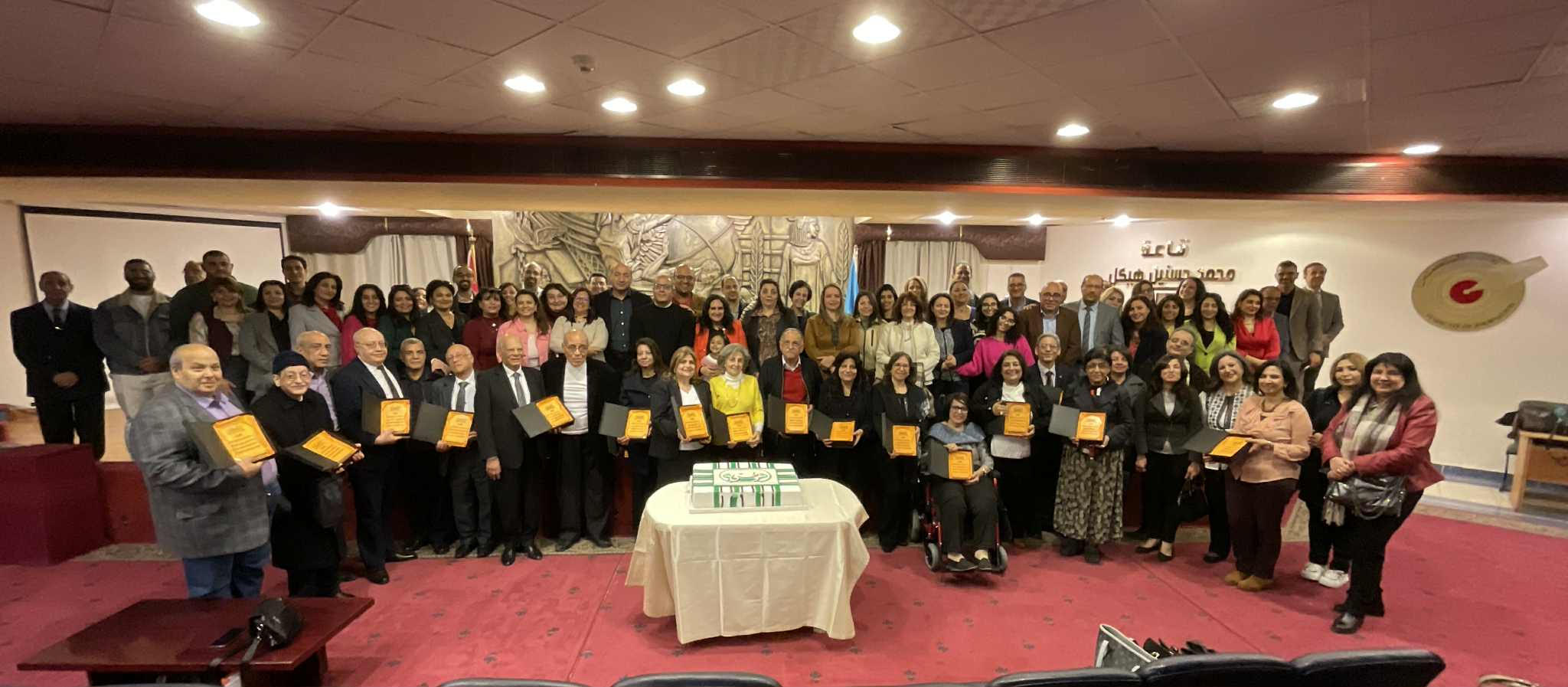
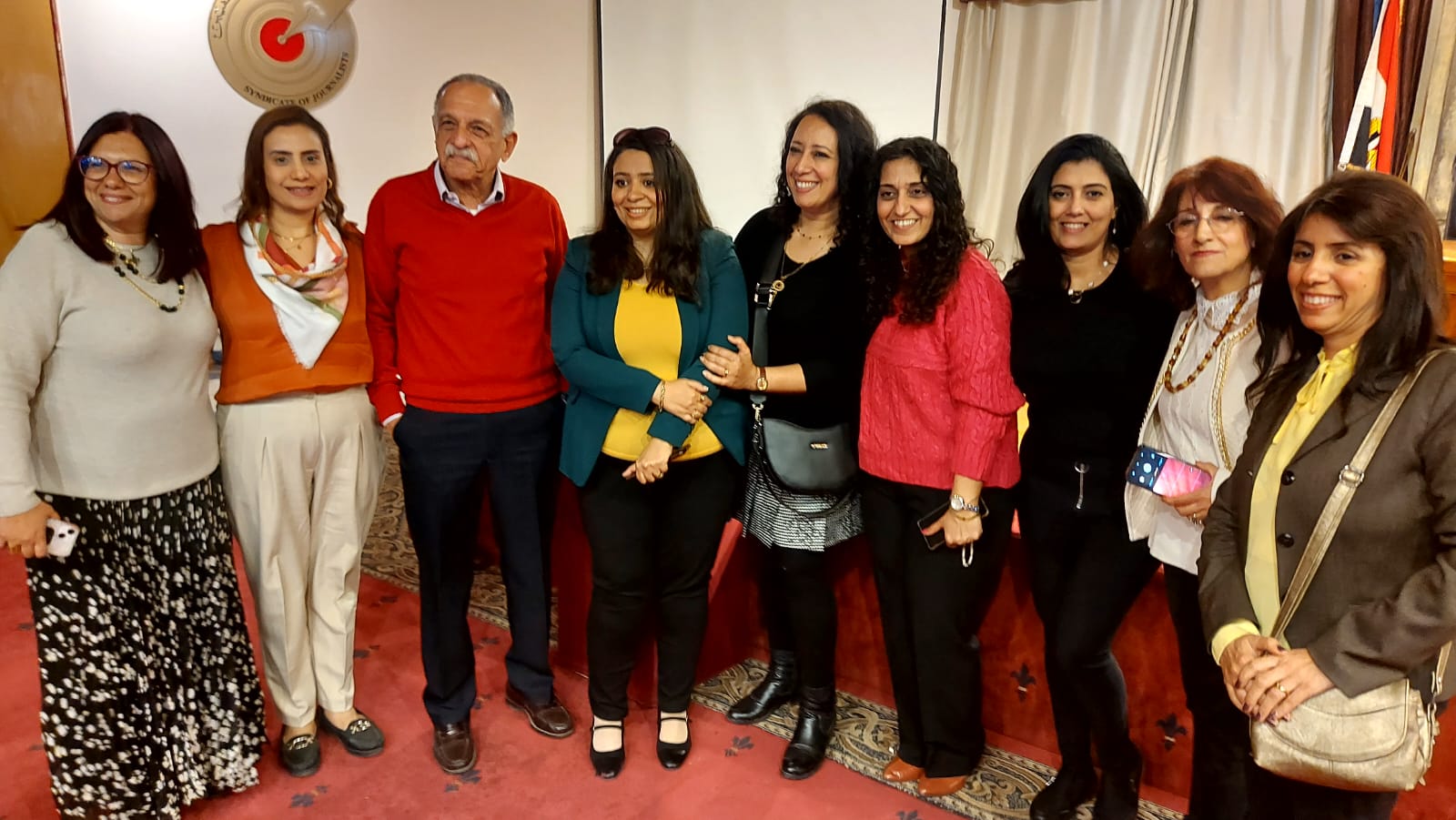
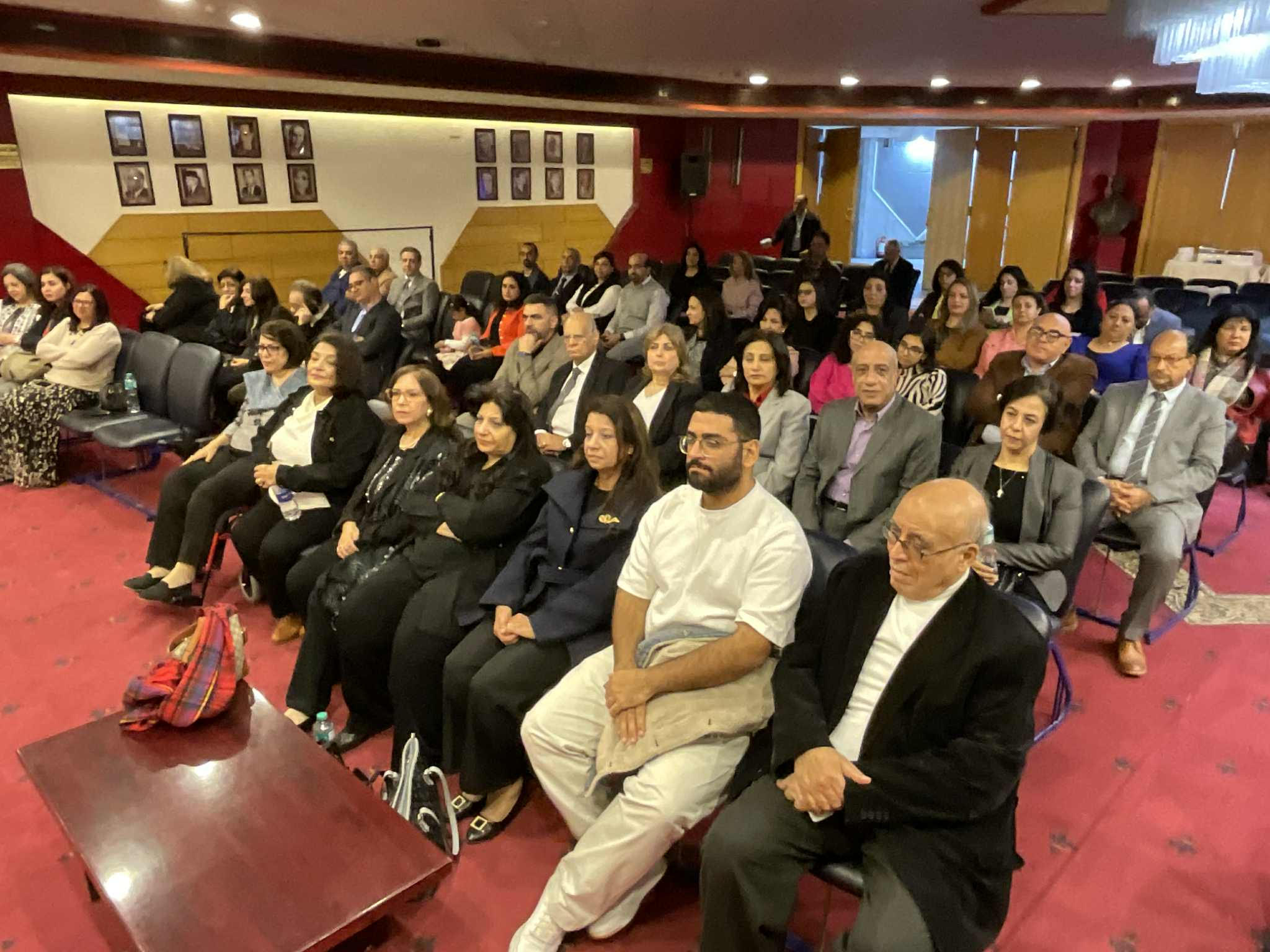
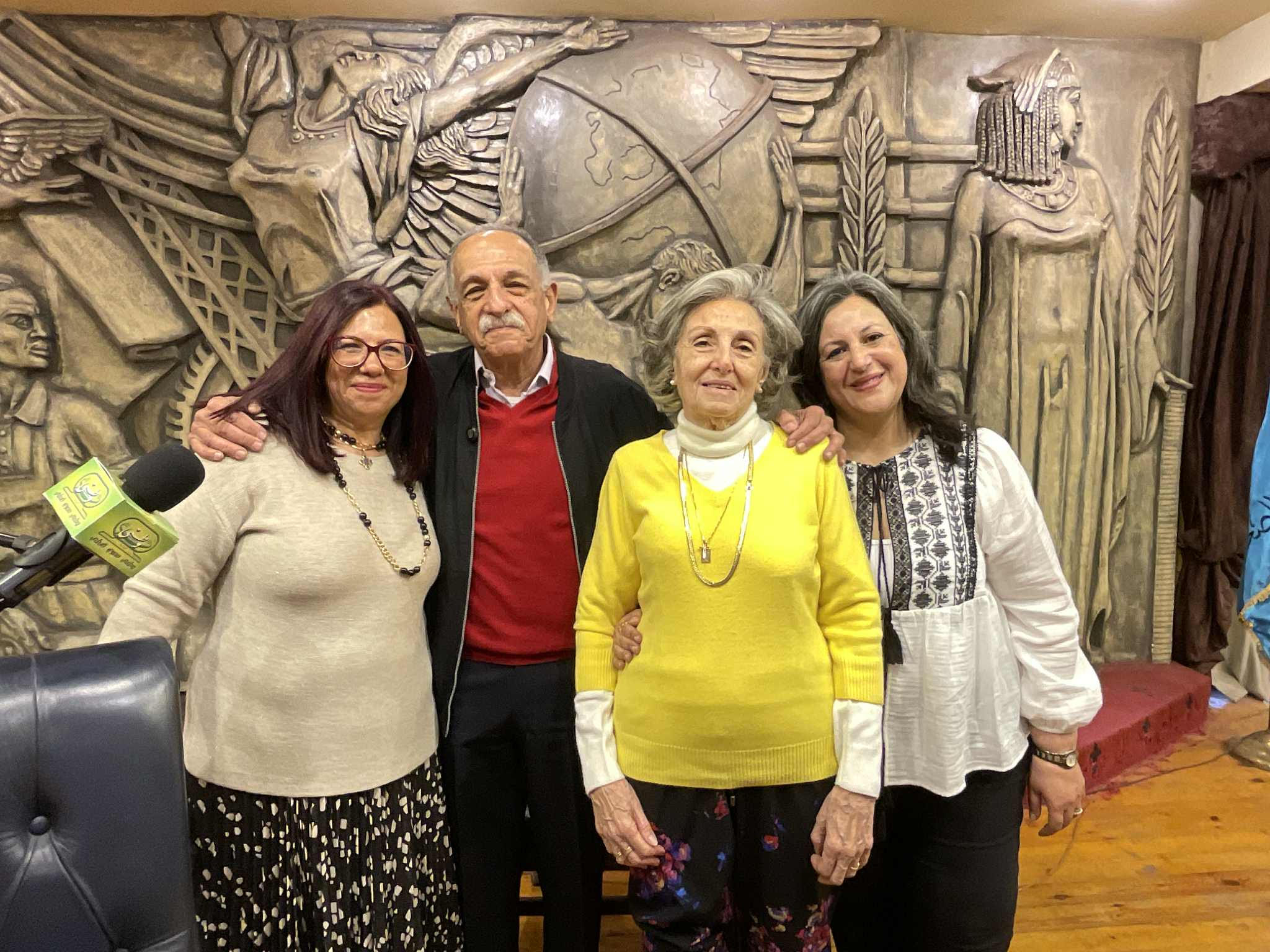
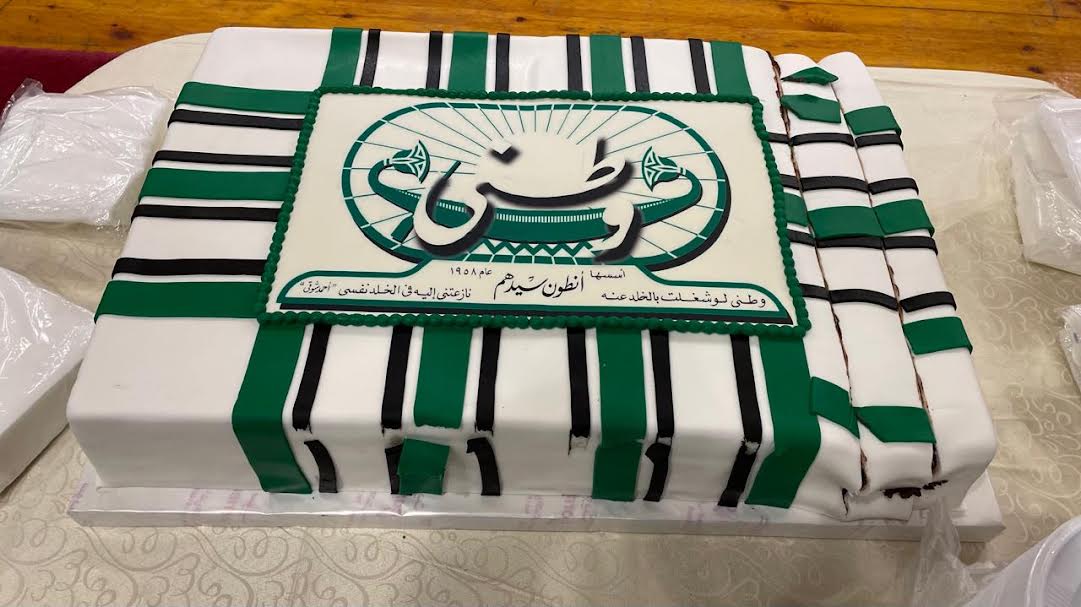
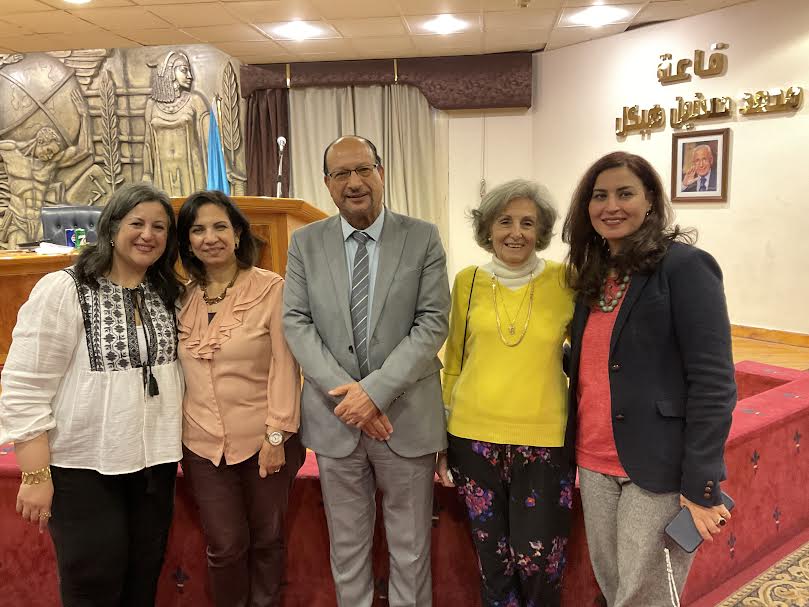
It was then time for the commemorative group photograph, followed by cutting the cake, and light lunch. All to the accompaniment of sincere congratulations, countless selfies, and laughter and good cheer.
Watani International’s 25th
Four days following the grand event, Watani International marked its 25th anniversary on 18 February.
Watani International
18 February 2026